
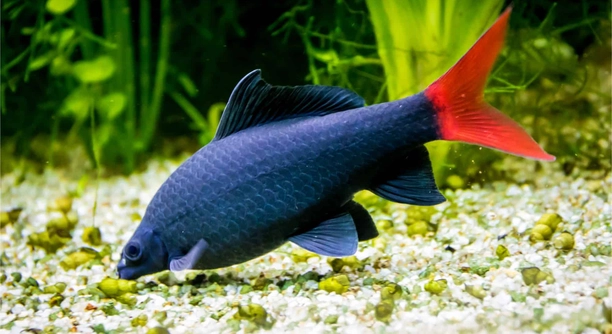
Keeping a rainbow shark tank healthy requires attention to its environment. Overcrowding is a common issue that can affect your fish’s well-being and tank balance. Managing the number of fish and their needs is essential for a thriving aquarium.
Overcrowding in a rainbow shark tank leads to stress, disease, and poor water quality. Proper stocking limits, regular maintenance, and monitoring fish behavior are critical to preventing these issues and maintaining a stable and healthy aquatic environment.
Knowing how to control tank population helps protect your fish and ensures a peaceful habitat. These simple steps can make a big difference in your aquarium care.
Choose the Right Tank Size
Choosing the right tank size is one of the most important steps to prevent overcrowding. Rainbow sharks grow up to 6 inches, and they need plenty of space to swim. A small tank can quickly become crowded, leading to stress and aggression among fish. Many beginners start with tanks that are too small, not realizing the space their fish will need as they grow. A tank of at least 30 gallons is recommended for one rainbow shark. If you want to keep more than one, increase the size accordingly. It’s better to have extra room than to squeeze too many fish into a small tank. Proper space helps maintain water quality and reduces territorial fights. Make sure to plan for your fish’s full adult size when buying a tank.
A spacious tank gives rainbow sharks enough room to swim freely, which supports their health and behavior.
Providing enough space also helps prevent frequent water changes and reduces stress on the filtration system, making tank maintenance easier.
Monitor Fish Behavior Regularly
Watching how your rainbow sharks behave is an easy way to spot overcrowding problems early. Signs like frequent chasing, hiding, or lethargy can indicate stress from too many fish in the tank. Aggression often increases when fish feel cramped or threatened. By observing daily, you can take action before health issues start. Sometimes adding decorations or hiding spots can reduce tension, but often the main fix is to reduce the number of fish or upgrade the tank size. Regular monitoring also helps you notice other problems such as illness or poor water quality. Keeping a log or notes about changes in behavior can be helpful, especially if you have several tanks.
Keeping an eye on your fish’s behavior allows you to maintain a balanced and peaceful tank environment.
Consistent observation is a simple yet effective way to prevent overcrowding and ensure your rainbow sharks live comfortably. Reacting to early warning signs can save your fish from long-term stress and health problems. When you notice aggressive or unusual behavior, check your tank’s stocking levels and water conditions immediately. Adjusting these factors can restore harmony in the aquarium. Overcrowding is often preventable with regular care and attention, which also helps your fish show their best colors and natural activity. You can keep a healthier, more enjoyable aquarium by simply paying close attention to how your rainbow sharks interact.
Maintain Regular Water Changes
Regular water changes help keep the tank clean and reduce the buildup of harmful substances. This is essential when you have multiple fish in one tank.
Water quality declines quickly with overcrowding, causing ammonia and nitrate levels to rise. Changing 20-30% of the water weekly helps remove these toxins and keeps the environment safe for your rainbow sharks. It also helps restore oxygen levels and balances minerals that fish need to stay healthy. Skipping water changes can lead to stress, disease, and poor fish growth. Using a good water conditioner is important to remove chlorine and other chemicals from tap water. Maintaining clean water supports your fish’s immune systems and helps prevent outbreaks of illness.
Even with a proper tank size, regular water changes are necessary to manage waste buildup. Overcrowding increases waste faster, so keeping the water clean is key to preventing health issues. Monitoring water parameters with test kits allows you to act quickly if levels become unsafe. Consistent care through water changes keeps your rainbow sharks comfortable and active, improving their overall lifespan and color vibrancy.
Use Tank Decorations Wisely
Tank decorations create hiding spots and reduce aggression in crowded tanks. They help fish feel secure.
Plants, rocks, and driftwood break up open space, lowering stress among rainbow sharks. Hiding places reduce chasing and fighting because fish can claim their own territory. However, overcrowding can still cause problems if there are too many fish for the space available. Decorations should not overcrowd the tank but offer enough shelter for shy or stressed fish. Avoid sharp objects that could injure your fish. Artificial plants are easier to clean but live plants improve water quality. Proper placement of decorations balances open swimming areas with protected zones.
Choosing the right decorations helps manage social behavior in your tank and makes the environment more natural. When planning the layout, think about how your rainbow sharks will move and hide. Too many decorations can reduce swimming space, so keep a balance between decoration and free water areas. Decorations also support beneficial bacteria growth, improving filtration. Using decorations thoughtfully is an effective way to reduce the impact of overcrowding and keep your fish calm and happy.
Avoid Overstocking
Overstocking is a common cause of overcrowding in rainbow shark tanks. Keeping too many fish in a limited space raises stress and health risks.
Each rainbow shark needs adequate swimming space and territory. Overstocking reduces water quality and increases aggression among fish, making it harder to maintain a balanced tank.
Provide Adequate Filtration
Strong filtration is essential when keeping rainbow sharks to maintain clean water and manage waste. Filters must handle the bioload of all fish to prevent harmful buildup.
A good filter removes debris, toxins, and excess food, supporting water clarity and quality. Without adequate filtration, overcrowded tanks quickly become unhealthy environments. Filters also help circulate oxygen throughout the tank, which is crucial for fish health. Choosing a filter rated for a larger tank than you have ensures it can handle increased waste from multiple fish. Regular filter maintenance keeps it working efficiently and prolongs its life. Proper filtration balances the tank environment and reduces stress caused by poor water conditions.
Feed Moderately
Overfeeding leads to excess waste, worsening water quality and overcrowding effects. Feed your fish only what they can eat in a few minutes.
How many rainbow sharks can I keep in a 30-gallon tank?
A 30-gallon tank is suitable for only one adult rainbow shark. These fish need space to swim and establish territory. Adding more than one can cause stress and aggression because they are territorial by nature. For two rainbow sharks, a tank of at least 55 gallons is better.
What are the signs that my tank is overcrowded?
Signs include increased aggression, frequent chasing, hiding, and stressed behavior such as loss of color or lethargy. Poor water quality, cloudy water, and algae buildup also suggest overcrowding. Fish may become sick more often due to weakened immune systems from stress.
Can decorations help with overcrowding?
Yes, decorations like plants, rocks, and driftwood create hiding spots and reduce aggression. They break the tank into territories, which can ease stress. However, decorations should not take up too much swimming space, or the problem worsens. Balance is key.
How often should I change the water to prevent overcrowding issues?
For tanks with rainbow sharks, changing 20-30% of the water weekly is recommended. Overcrowded tanks produce more waste, so frequent water changes keep ammonia and nitrate levels low and water safe for fish. Regular water changes help maintain good oxygen levels as well.
What type of filtration is best for a rainbow shark tank?
A strong, efficient filter rated for a tank larger than yours is ideal. It helps remove waste, toxins, and uneaten food. Filters that provide good water circulation also improve oxygen levels. Canister filters or powerful hang-on-back filters work well for these tanks.
Is it okay to keep rainbow sharks with other fish?
Rainbow sharks can be aggressive, especially in small tanks. They generally do better with fast-moving, peaceful fish that occupy different tank levels. Avoid slow or long-finned fish, as rainbow sharks may nip at them. Compatibility depends on tank size and individual fish temperament.
How can I reduce aggression among rainbow sharks?
Providing enough space, hiding spots, and a balanced tank population helps reduce aggression. Avoid overcrowding, and feed fish properly to reduce competition. Keeping only one rainbow shark per tank is often the easiest way to avoid fights.
What happens if I overfeed my rainbow sharks?
Overfeeding creates excess waste, which pollutes the water and stresses fish. Uneaten food decomposes, increasing ammonia and nitrate levels, which can lead to disease. Feed only what fish can eat within a few minutes and remove leftover food promptly.
Can live plants help prevent overcrowding problems?
Live plants improve water quality by absorbing nitrates and providing oxygen. They also offer natural hiding spots for fish, which lowers stress. However, some plants may be uprooted by active rainbow sharks, so choose hardy species and secure them well.
What should I do if my tank is already overcrowded?
If your tank is overcrowded, consider moving some fish to another tank or finding new homes for them. Increase water change frequency and improve filtration to manage waste. Adding decorations can reduce stress temporarily, but space is the most important factor.
How do water parameters affect overcrowding?
Poor water parameters, like high ammonia, nitrites, or nitrates, worsen the effects of overcrowding. These toxins build up faster in crowded tanks and can harm your fish. Testing water regularly and maintaining good filtration and water changes keep these levels safe.
Are juvenile rainbow sharks less aggressive?
Juveniles tend to be less aggressive, but they grow quickly and become territorial adults. It’s important to plan tank size and population with their adult size in mind to prevent overcrowding and future aggression problems.
How can I tell if my rainbow shark is stressed?
Stressed rainbow sharks may hide more, lose color, stop eating, or behave aggressively. They might also become lethargic or swim erratically. These behaviors often indicate poor water quality or overcrowding. Addressing tank conditions usually helps reduce stress.
What is the best way to acclimate new rainbow sharks to prevent stress?
Acclimate new fish slowly by floating the sealed bag in your tank to equalize temperature. Gradually add tank water to the bag over 30-60 minutes before releasing the fish. This reduces shock and stress, helping the fish adjust to their new environment.
Can overcrowding lead to disease outbreaks?
Yes, overcrowding weakens fish immune systems, making them more vulnerable to diseases like fin rot and ich. Poor water quality in crowded tanks also supports harmful bacteria and parasites. Prevention through proper stocking and care is the best defense.
Keeping a rainbow shark tank healthy and balanced takes some effort, but it is worth it for the well-being of your fish. Overcrowding is a common problem that can cause stress, disease, and poor water quality. By giving your rainbow sharks enough space, maintaining good water conditions, and paying attention to their behavior, you can create a peaceful and thriving environment. It is important to remember that these fish grow and need room to swim and establish their territory. Planning your tank size and fish number ahead of time helps avoid problems before they start.
Regular care is key to preventing overcrowding issues. This includes doing water changes on a schedule, using a strong filter, and avoiding overfeeding. Clean water keeps your fish healthy and active. Decorations like plants and rocks can give your rainbow sharks places to hide and reduce fighting. Watching how your fish behave helps you notice early signs of stress or aggression. When you catch these signs early, you can make changes to improve your tank’s environment. If you do find your tank is overcrowded, removing some fish or upgrading to a larger tank can make a big difference.
Taking good care of your rainbow sharks means understanding their needs and watching out for overcrowding. It is a balance between tank size, fish numbers, water quality, and decorations. With simple steps like choosing the right tank, keeping water clean, and observing your fish closely, you can enjoy a healthy and lively aquarium. Overcrowding can be stressful for both the fish and you, but with attention and proper care, your rainbow sharks will thrive and bring beauty to your home.

Hello,
If you enjoy the content that we create, please consider saying a "Thank You!" by leaving a tip.
Every little bit helps us continue crafting quality advice that supports the health, happiness, and well-being of pets around the world, for pets of all shapes, sizes, and species.
We really appreciate the kindness and support that you show us!