
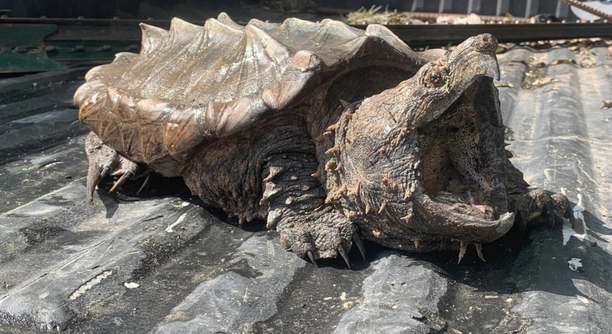
Mold can be a common issue in alligator snapping turtle tanks, and it’s important to know how to prevent it. Mold not only affects the tank’s environment but can also harm your turtle’s health if left untreated.
To prevent mold in your alligator snapping turtle’s tank, maintaining proper water quality, cleaning the tank regularly, and ensuring proper ventilation are key. Reducing humidity levels and providing enough light also help discourage mold growth.
By following these simple steps, you can create a healthy habitat for your alligator snapping turtle. Keeping your turtle’s tank free of mold will help maintain a safe, comfortable environment for your pet.
Maintain Proper Water Quality
Water quality plays a vital role in preventing mold in your alligator snapping turtle’s tank. Mold thrives in stagnant, dirty water, making it essential to keep the tank clean. Regular water changes should be done to remove excess waste and prevent harmful bacteria or mold from taking hold. Be sure to test the water regularly to ensure it’s free of chemicals or pollutants. Using a reliable water filter can also help maintain the water’s cleanliness. Fresh, clean water is critical for your turtle’s health and keeping mold at bay.
A clean water environment ensures that mold doesn’t grow. You should aim to change the water at least every 1-2 weeks, depending on your tank’s size. Doing this will help keep the tank fresh and prevent mold from forming.
In addition to regular water changes, using a water filter that is specifically designed for your turtle’s tank will help remove particles and waste that contribute to mold growth. Make sure to rinse the filter often to prevent clogging. It’s also helpful to remove uneaten food and waste as soon as you notice it. Any decaying material in the water can encourage mold growth and negatively impact the water quality. Keeping the water temperature stable and within the appropriate range for your alligator snapping turtle also discourages mold development. The ideal temperature range is typically between 75-85°F (24-29°C). Proper water quality management creates a healthier environment for both your turtle and your tank.
Keep the Tank Clean
Regular tank cleaning can prevent mold from appearing in the first place. Remove algae, debris, and waste promptly to avoid mold growth.
When cleaning the tank, use a non-toxic cleaner designed for aquarium use. Wipe down the walls of the tank, replace the substrate, and clean the equipment, like the filter and heater. It’s also essential to scrub any rocks or decorations that could trap organic matter, as these can lead to mold development. After cleaning, allow the tank to dry before reintroducing your turtle, which helps prevent mold from settling in damp areas.
Ensure Proper Ventilation
Proper airflow helps prevent mold growth by reducing excess moisture in the tank. Stale air can lead to a humid, mold-friendly environment.
Good ventilation is key to keeping humidity levels in check. To improve airflow, ensure that your tank isn’t sealed too tightly and that there’s a way for air to circulate. If your tank has a lid, consider using one with ventilation holes. You can also add a small fan near the tank to help circulate air, especially in closed or humid environments. Avoid placing the tank in areas with little airflow, like basements, to reduce the risk of mold.
Excess moisture can easily accumulate in a tank without proper ventilation, leading to mold growth on surfaces like tank walls, substrate, or decorations. To manage humidity, keep the tank’s lid slightly ajar or use a mesh lid instead of a fully enclosed one. This will allow moisture to escape, preventing it from building up. In addition to improving air circulation, check for any water leaks or condensation that could increase humidity. You can also invest in a humidity meter to monitor levels and keep them in check. Aim to maintain a balanced environment with adequate airflow, and you’ll significantly reduce the risk of mold growth.
Regulate Temperature and Light
Mold thrives in cool, dark environments. By controlling the temperature and providing proper lighting, you can create an environment less conducive to mold.
Mold growth is less likely to occur in well-lit, warmer environments. Your alligator snapping turtle needs a warm spot in its tank, with a basking area at a temperature of around 85-90°F (29-32°C). This warmth will help dry out any moisture and prevent mold from forming. Make sure the basking light is strong enough to heat the area properly but not too intense to create a heat source that fosters mold in the cooler areas of the tank.
Proper lighting also plays a role in reducing mold. Natural sunlight, if accessible, can help maintain a healthy balance. However, artificial UVB lighting for your turtle’s basking area can support both their health and a mold-free environment. Make sure the lighting is consistent, and avoid prolonged periods of darkness, as this can promote mold growth. Keeping the tank well-lit, along with maintaining the right temperature, will help keep the tank environment dry and inhospitable to mold.
Control Substrate Moisture
Substrate moisture can be a breeding ground for mold. Be mindful of how much water your substrate holds.
Overly damp substrates are ideal for mold growth. Make sure the substrate is not too wet, especially in areas where your turtle doesn’t frequently bask. If the substrate becomes too wet, consider replacing it or allowing it to dry out. Regularly check for wet spots and remove excess moisture to prevent mold.
Use Safe Cleaning Products
Using the right cleaning products will help you avoid harmful chemicals while keeping the tank mold-free.
Avoid using harsh chemicals that could harm your turtle. Stick to aquarium-safe cleaners or natural alternatives like vinegar diluted with water to clean surfaces. Rinse the tank thoroughly after cleaning to ensure no residues are left behind. This will keep the tank safe for your turtle and mold-free.
Remove Leftover Food
Leftover food is a significant contributor to mold growth. Make sure to remove any uneaten food right away.
Leftover food in the tank can rot quickly, creating a perfect environment for mold to grow. Make it a habit to remove any uneaten food daily to prevent buildup. Not only will this reduce the chances of mold, but it will also help keep the water quality high.
FAQ
How often should I change the water in my alligator snapping turtle’s tank?
Changing the water in your alligator snapping turtle’s tank is essential to maintaining a healthy environment. It’s recommended to change the water every 1-2 weeks, but this can vary depending on the size of the tank and how many turtles are inside. A smaller tank may need more frequent water changes, while a larger tank with a filtration system may require less. Regular water changes help prevent the buildup of waste, which can contribute to mold growth. Always ensure the water temperature is within the appropriate range for your turtle after each change.
Can I use regular cleaning products for my turtle’s tank?
No, regular cleaning products like household disinfectants or bleach can be harmful to your turtle. It’s essential to use aquarium-safe cleaning products or natural alternatives like vinegar diluted with water. These options will help clean the tank without leaving harmful residues behind that could affect your turtle’s health. After cleaning, always rinse thoroughly to ensure no cleaning solution remains in the tank. Using safe products prevents chemicals from being ingested or exposed to your turtle’s sensitive skin and helps maintain a healthy habitat.
What are the best ways to reduce humidity in the tank?
To reduce humidity in your alligator snapping turtle’s tank, ensure the tank is well-ventilated. Use a lid with ventilation holes or keep the lid slightly ajar to allow air to circulate. A small fan placed near the tank can also help improve airflow. Additionally, avoid over-watering your substrate and make sure excess water is drained regularly. If humidity levels remain high despite these efforts, a dehumidifier in the room can help reduce moisture in the air. Keeping humidity under control prevents mold from forming and keeps the environment comfortable for your turtle.
What temperature should my alligator snapping turtle’s tank be?
The ideal temperature range for an alligator snapping turtle’s tank is between 75-85°F (24-29°C), with a basking area around 85-90°F (29-32°C). This range mimics their natural environment and supports proper digestion, immune function, and activity levels. Too cold or too hot temperatures can stress your turtle and lead to health problems. Using a thermometer to monitor the tank’s temperature ensures that it stays within the correct range. If the temperature fluctuates too much, mold may have an easier time growing in the tank, so maintaining a steady temperature is crucial.
How do I prevent mold from growing on decorations and rocks?
Mold can easily grow on decorations, rocks, or any objects that stay moist for too long. To prevent this, remove any objects from the tank every couple of weeks to scrub them clean. You can use a toothbrush and aquarium-safe cleaner or a mixture of vinegar and water to remove any mold or algae buildup. Make sure to dry the objects thoroughly before putting them back in the tank. If any decoration becomes excessively wet or shows signs of mold despite cleaning, consider replacing it to avoid recurring issues.
Is it safe to keep my alligator snapping turtle in a tank with high humidity?
High humidity can encourage mold growth, which is not ideal for your turtle’s health. While some humidity is necessary to create a comfortable environment, excessive moisture can cause issues. Too much humidity can lead to fungal or bacterial growth, which may harm your turtle. Keeping humidity levels balanced is essential. Ensure the tank is well-ventilated and monitor humidity with a hygrometer to keep it within a suitable range. If humidity stays too high, it can also stress your turtle and make the environment uncomfortable. Regularly checking and adjusting the humidity will help you avoid these problems.
How can I tell if my alligator snapping turtle’s tank has mold?
Mold can appear as fuzzy or slimy patches on tank walls, decorations, or substrate. It often appears white, green, or black. If you notice any unusual growths or a musty smell coming from the tank, it’s a sign that mold may be present. Regularly inspecting the tank for mold is essential, especially in hard-to-reach corners or areas with less airflow. Mold thrives in moist environments, so focus on checking spots that are consistently wet. If you find mold, remove it promptly by cleaning the affected areas with safe cleaning products or vinegar and water.
Can mold harm my alligator snapping turtle?
Yes, mold can harm your alligator snapping turtle if left untreated. Mold spores can be harmful if your turtle ingests them or comes into direct contact with them. Inhaling mold spores may also cause respiratory issues for your turtle. The damp environment that promotes mold growth can also lead to skin infections or other health problems. Keeping your turtle’s tank clean and dry helps protect them from the risks associated with mold. Regular water changes, proper ventilation, and cleaning the tank will ensure a safe, mold-free habitat for your turtle.
How can I keep the tank dry to prevent mold growth?
To keep the tank dry and prevent mold growth, avoid over-wetting the substrate. Make sure the tank has proper drainage and regularly remove excess water. Use a filter to help manage waste and prevent water from becoming stagnant. Keep the tank’s lighting consistent, as light and warmth help dry out any moisture. In addition, make sure to clean any excess food, waste, or organic matter promptly, as decaying materials can trap moisture and encourage mold growth. Proper ventilation is crucial to ensuring that the tank doesn’t stay too humid.
Should I use a dehumidifier in the room where my turtle’s tank is?
Using a dehumidifier in the room where your alligator snapping turtle’s tank is located can help lower the overall humidity in the air. This is especially useful in rooms that tend to be more humid, like basements. Lowering the room’s humidity can reduce moisture levels in the tank, helping to prevent mold growth. However, be cautious not to make the room too dry, as your turtle still needs some humidity to stay healthy. Monitoring the humidity levels in both the tank and the room will help you find the right balance.
Final Thoughts
Preventing mold in your alligator snapping turtle’s tank is an essential part of keeping it healthy and comfortable. Mold can quickly become a problem if not addressed, affecting the water quality and the overall environment in the tank. By maintaining proper water quality, ensuring good ventilation, and regularly cleaning the tank, you can significantly reduce the risk of mold growth. Mold is not just an aesthetic issue, but it can also affect the health of your turtle, making it crucial to keep its living space clean and dry.
A few small changes in how you care for your tank can make a big difference. Regularly changing the water, controlling humidity, and keeping the substrate dry are all essential steps to help maintain a mold-free environment. The right temperature and lighting can also help ensure your turtle’s habitat remains comfortable and safe. While mold is a common issue, it can be easily managed by keeping up with basic maintenance. By staying on top of water changes and cleaning, you create a healthy environment that supports your turtle’s well-being.
Remember that your alligator snapping turtle depends on you to provide a safe, clean home. Keeping mold at bay requires a consistent effort in monitoring water quality, ventilation, and cleanliness. It’s a simple process that ensures your turtle thrives in a habitat that mimics its natural environment. With a little attention to detail and regular care, you can prevent mold from becoming an issue and keep your turtle happy and healthy for years to come.

Hello,
If you enjoy the content that we create, please consider saying a "Thank You!" by leaving a tip.
Every little bit helps us continue crafting quality advice that supports the health, happiness, and well-being of pets around the world, for pets of all shapes, sizes, and species.
We really appreciate the kindness and support that you show us!