
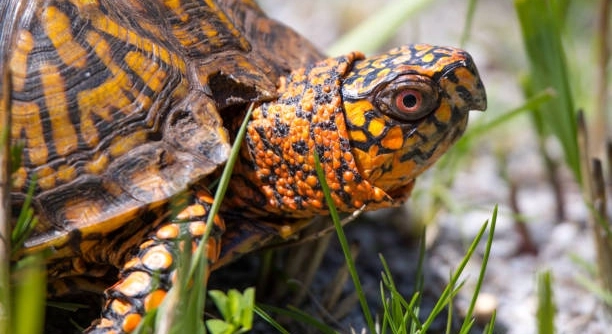
Is your box turtle’s enclosure a safe haven, or is hidden mold compromising its health? Mold growth is a common challenge for turtle owners, often resulting from excess humidity and improper maintenance of their living space.
To prevent mold growth in a box turtle enclosure, maintain proper humidity levels, clean the enclosure regularly, and ensure adequate ventilation. Additionally, avoid overwatering substrate and remove uneaten food promptly to minimize mold-friendly conditions.
By implementing these practical steps, you can create a healthier, safer environment for your box turtle to thrive. Keep reading to discover seven effective strategies for mold prevention.
Maintain Proper Humidity Levels
Maintaining the right humidity levels in your box turtle’s enclosure is essential to prevent mold growth. High humidity creates an environment where mold thrives, putting your turtle’s health at risk. Use a hygrometer to monitor the enclosure’s humidity consistently. Aim for a range suitable for your specific turtle species, usually between 50% and 70%. If the levels are too high, consider increasing ventilation or using a less absorbent substrate. Adjustments like these can make a significant difference in reducing mold-friendly conditions while ensuring your turtle’s habitat remains comfortable and safe.
Choose the right tools to regulate humidity, such as dehumidifiers or breathable enclosures. Small, consistent efforts go a long way in keeping moisture levels in check.
Humidity management not only reduces mold risks but also promotes your turtle’s overall well-being. A balanced environment ensures comfort and longevity for your pet.
Clean the Enclosure Regularly
Regular cleaning is one of the most effective ways to prevent mold. Mold spores often originate from leftover food, waste, or damp areas, making thorough maintenance crucial.
Start by removing uneaten food daily, as it can decompose and attract mold. Weekly deep cleaning sessions are also necessary. Remove the turtle and thoroughly clean all surfaces using a pet-safe disinfectant. Rinse the enclosure well and let it dry completely before adding new substrate. Pay attention to corners and hidden spaces, as mold can develop in hard-to-reach areas.
Regular cleaning not only eliminates mold risks but also keeps the enclosure fresh and your turtle healthy. Prioritizing cleanliness ensures a safe and pleasant habitat for your pet.
Ensure Adequate Ventilation
Good ventilation is essential to keep the air in your turtle’s enclosure fresh and prevent moisture buildup. Poor airflow traps humidity, which encourages mold. Use enclosures with mesh tops or install small vents to allow continuous air circulation.
Position the enclosure in a well-ventilated area away from direct heat sources. If the humidity remains high, consider adding a small fan or increasing the number of vents. Avoid completely sealing the enclosure, as this traps moisture. Keeping the air moving ensures moisture doesn’t settle on the substrate or surfaces, reducing mold risks significantly.
Proper ventilation not only prevents mold but also maintains a healthier environment for your turtle. Combined with other preventive measures, ensuring airflow adds an extra layer of protection against unwanted growth. A breathable enclosure is key to your turtle’s comfort and well-being.
Avoid Overwatering the Substrate
Excess water in the substrate creates a perfect breeding ground for mold. Always monitor how much water you’re adding, and ensure the substrate remains damp but not soaked. A balance in moisture prevents mold while keeping the enclosure comfortable for your turtle.
Choose substrates like coconut coir, soil, or mulch, which absorb water efficiently without becoming overly wet. Regularly check the substrate for signs of mold, such as discoloration or unusual smells, and replace it immediately if necessary. Use a spray bottle to control water application and avoid over-saturating the enclosure.
Maintaining the right level of moisture in the substrate minimizes mold risks and promotes your turtle’s health. Proper watering techniques go hand in hand with other preventive measures to create a balanced and mold-free environment.
Remove Uneaten Food Promptly
Leftover food in the enclosure can decompose quickly, creating ideal conditions for mold. Check the enclosure daily and remove any uneaten food to prevent spoilage. This simple habit keeps the environment clean and reduces mold risks significantly.
Rotting food can attract pests in addition to promoting mold growth. By promptly clearing out uneaten food, you’re also ensuring your turtle stays safe from potential contaminants and allergens. Consistent cleaning is key to maintaining a mold-free space.
Use Mold-Resistant Materials
Opt for materials that are naturally resistant to mold, such as certain woods, plastics, or specialized substrates designed for pet enclosures. These materials make it harder for mold to grow, reducing maintenance needs and helping keep your turtle’s habitat cleaner over time.
Regularly Inspect Hidden Areas
Mold often develops in hard-to-reach spaces, like corners or beneath decorations. Make it a habit to inspect these areas during cleaning sessions. Spotting mold early prevents it from spreading and ensures the enclosure remains safe for your turtle.
FAQ
How can I tell if mold is growing in my turtle’s enclosure?
Mold usually appears as fuzzy, discolored patches, often white, green, or black, on surfaces like substrate, walls, or decorations. If there’s a musty smell or you notice an unusual texture forming in certain spots, it’s time to check for mold. A thorough inspection helps spot it early.
Can mold harm my box turtle?
Yes, mold can be harmful to your turtle. Mold spores can cause respiratory problems, skin irritation, or digestive issues if your turtle comes into contact with them. Long-term exposure may lead to more serious health issues. Ensuring a clean, dry environment is vital for their well-being.
What are the best types of substrate for preventing mold?
Coconut coir, cypress mulch, and aspen shavings are excellent choices for box turtle enclosures. These materials absorb moisture without staying too wet, helping to control humidity levels. Avoid substrates that retain excessive moisture, like peat moss, which can promote mold growth.
Can I use a dehumidifier to reduce mold risk?
Yes, a dehumidifier can help control humidity in the enclosure if the air tends to stay too moist. However, it’s important to monitor the overall humidity levels to ensure they don’t drop too low for your turtle’s comfort. A balance is key.
How often should I clean my turtle’s enclosure to prevent mold?
You should clean your turtle’s enclosure at least once a week, removing uneaten food and waste daily. Deep cleanings, including substrate changes and thorough disinfecting, should be done every two weeks or more frequently if you notice mold growth.
Can mold affect the turtle’s shell or skin?
Mold itself is not typically harmful to a turtle’s shell, but the spores can cause skin irritation or respiratory distress if inhaled. If your turtle appears to be scratching, coughing, or acting unusually, it’s best to remove the mold immediately and consult a vet.
Should I use a plastic enclosure to prevent mold?
Plastic enclosures are easy to clean and can help with mold prevention. However, they often lack proper ventilation, which can cause humidity levels to rise. To prevent mold in plastic enclosures, ensure there is enough airflow, and monitor humidity closely.
What temperature is best for preventing mold in the enclosure?
Maintain the enclosure temperature between 75°F and 85°F for most box turtle species. This range helps regulate humidity and discourages mold growth. Avoid extreme temperature fluctuations, as they can cause condensation, which contributes to mold formation.
Can I use vinegar to clean mold from my turtle’s enclosure?
Vinegar can be effective in cleaning mold, as it has antifungal properties. Use a diluted solution of white vinegar and water to scrub affected areas. Be sure to rinse thoroughly afterward, as the smell of vinegar can linger, and you don’t want your turtle exposed to it.
Do box turtles need direct sunlight, and can mold grow more easily in shaded areas?
Box turtles benefit from natural sunlight, which helps regulate their temperature and provides vitamin D3. However, direct sunlight can also increase humidity levels inside the enclosure if it’s not properly ventilated. Mold is more likely to grow in areas with excess moisture and poor airflow, whether in the sun or shade.
How can I improve airflow in my turtle’s enclosure?
Increase airflow by placing the enclosure in a well-ventilated area and using mesh lids or installing small vents in the sides. If the enclosure is sealed, consider adding more ventilation holes to allow moisture to escape. Proper airflow helps prevent stagnant air and mold growth.
Is it okay to use live plants in the enclosure?
Live plants can be beneficial for your turtle’s habitat, but they can also contribute to excess moisture if not maintained properly. Choose plants that thrive in the same humidity range as your turtle and avoid overwatering. Regularly check plants for mold and replace them if they start to decay.
What are the signs that I need to replace the substrate in the enclosure?
Signs that you need to replace the substrate include a foul smell, visible mold, or the substrate becoming overly soggy or compacted. Regularly stir the substrate to promote airflow and remove any wet spots. If it’s no longer absorbing moisture properly, it’s time for a change.
How can I keep the enclosure dry without compromising humidity?
To keep the enclosure dry while maintaining proper humidity, use absorbent substrates, control water levels, and ensure good ventilation. Consider placing a shallow water dish for your turtle to drink from, but avoid overfilling it, which can cause excessive moisture buildup.
Final Thoughts
Preventing mold growth in box turtle enclosures is crucial for their health and well-being. Mold can cause respiratory issues, skin problems, and discomfort for your turtle. By ensuring proper ventilation, controlling moisture, and keeping the enclosure clean, you can significantly reduce the chances of mold development. Regularly checking the substrate, decorations, and hidden areas will help you catch mold before it spreads. Mold is easier to manage when it’s detected early, and a proactive approach can save you time and effort in the long run.
Using mold-resistant materials and choosing the right substrates is essential for creating a balanced environment in your turtle’s home. Substrates like coconut coir and cypress mulch absorb moisture without staying too wet, which prevents mold from taking hold. Keep in mind that even with the best materials, regular cleaning is still necessary. Removing uneaten food, waste, and dead plants will prevent organic matter from decomposing and creating conditions conducive to mold growth. It’s also important to monitor humidity levels to ensure they don’t become too high, as this can trigger mold development.
Lastly, remember that maintaining a clean, dry, and well-ventilated enclosure is the best way to keep your box turtle comfortable and mold-free. Keep an eye on the humidity and temperature to ensure they remain within the ideal range for your turtle’s species. If mold does appear, act quickly to clean it up and take steps to prevent it from returning. With these simple practices, you can provide a safe, healthy home for your turtle and avoid the complications mold can bring.

Hello,
If you enjoy the content that we create, please consider saying a "Thank You!" by leaving a tip.
Every little bit helps us continue crafting quality advice that supports the health, happiness, and well-being of pets around the world, for pets of all shapes, sizes, and species.
We really appreciate the kindness and support that you show us!