
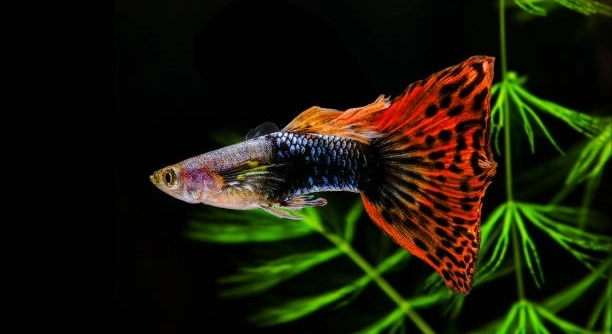
Overfeeding in a guppy tank can lead to serious health issues for your fish, such as water contamination and stress. It’s essential to manage their feeding habits to maintain a balanced, healthy tank environment.
To prevent overfeeding, establish a consistent feeding schedule and monitor the amount of food provided. Only feed your guppies what they can consume within a few minutes, as excess food can lead to water pollution and harm their health.
Proper feeding practices are key to maintaining a healthy guppy tank. Keep reading to learn more about the steps you can take to ensure your guppies thrive.
Establish a Consistent Feeding Schedule
One of the easiest ways to prevent overfeeding is by setting a regular feeding routine. Guppies don’t need to eat constantly, and feeding them at the same time every day helps avoid excess food in the tank. Offering food at specific times ensures your fish get the nutrients they need without overindulging. By sticking to a schedule, you’ll also make it easier to monitor how much food your guppies consume, helping you avoid waste.
It’s also essential to consider the size of the meals. If you feed your guppies too much at once, they won’t be able to eat it all. Breaking up their meals into smaller portions can help prevent overfeeding and keep the water clean.
By keeping a feeding schedule, you’ll help maintain the health of both your guppies and the tank environment. This also ensures your fish have a balanced diet, making it easier to notice any potential health issues early.
Measure the Food
Measuring food is another effective way to prevent overfeeding. Instead of eyeballing the amount, using a small spoon or dedicated feeding tool can help you ensure consistency. When you feed your guppies, only offer what they can finish in a few minutes.
If there is leftover food in the tank after feeding, it’s a sign that you’ve offered too much. Remove any uneaten food immediately to avoid it polluting the water. Guppies are small fish, and a little goes a long way.
By measuring their food, you can avoid the common issue of excess feeding and keep the tank cleaner for longer.
Observe Your Guppies’ Eating Habits
Pay attention to how your guppies eat. Some may eat quickly while others take their time. By observing their behavior, you can gauge if you’re overfeeding. If they seem to leave food behind or swim away from the tank’s surface quickly, it’s a sign they’ve had enough.
Understanding their eating habits also helps you figure out their portion sizes. If they consistently eat all the food within a few minutes, you’re likely feeding them the right amount. Conversely, if they regularly leave food behind, it’s a clear sign you should cut back on the portion sizes.
By monitoring their eating pace and habits, you can ensure they’re getting the right amount of food without overfeeding. Adjusting based on what you observe helps create a healthier tank environment.
Choose High-Quality Food
High-quality food plays an important role in preventing overfeeding. Nutrient-dense food means your guppies will feel full after a small portion, reducing the chance of overfeeding. Look for food that offers the right balance of protein, fiber, and other essential nutrients.
Choosing the right food also ensures your guppies are getting what they need without unnecessary fillers. Cheap food with low nutritional value may lead to guppies eating more than they should, simply to feel full. A higher-quality option may prevent this problem.
Investing in the right food can save you from overfeeding while providing a healthier diet for your fish. A nutrient-packed option allows you to feed smaller portions, benefiting both your guppies and the tank’s overall water quality.
Remove Leftover Food
After each feeding, always check for leftover food. If your guppies haven’t eaten everything, remove the extra food promptly. Leftover food breaks down and contaminates the water, which can harm your fish and the tank’s ecosystem. Regular cleaning keeps the water fresh.
Even if you don’t see visible leftover food, it’s a good practice to remove any excess that’s settled on the tank’s surface or bottom. This ensures your guppies don’t consume more than they need. You can also try to adjust the feeding amount if the leftovers persist.
Removing uneaten food is a simple yet effective way to prevent overfeeding. It keeps your water cleaner and maintains your guppies’ health.
Use Automatic Feeders
Automatic feeders help maintain a consistent feeding schedule without overfeeding. These devices can dispense precise portions of food at specific times, reducing the chances of excess food in the tank. This is especially useful if you’re away for a day or two.
Automatic feeders can also prevent overfeeding caused by human error, ensuring that your guppies get the right portion every time. It’s essential to adjust the feeder based on the fish’s needs and the size of the tank to prevent waste.
With an automatic feeder, you don’t have to worry about overfeeding while still providing a steady supply of food.
Feed at the Right Time
The timing of your feeding sessions plays a key role in preventing overfeeding. Guppies are most active during specific times of the day, so feeding them when they’re hungry ensures they consume all the food quickly.
Feeding your guppies when they’re naturally active helps them eat efficiently, preventing uneaten food from lingering in the tank. If you feed them during their rest periods, they may not eat much, leading to leftovers.
Proper timing helps maintain a clean tank and avoids overfeeding.
FAQ
How do I know if I’m overfeeding my guppies?
Overfeeding is often indicated by leftover food in the tank. If you see bits of uneaten food after a few minutes, it means you’ve likely given them too much. Another sign is if the water becomes cloudy or the tank develops an unpleasant smell, which is caused by decomposing food. Additionally, overfed guppies might show signs of stress, such as erratic swimming or sluggishness. It’s best to feed them smaller portions and observe their eating habits closely to prevent overfeeding.
Can overfeeding harm my guppies?
Yes, overfeeding can harm your guppies in multiple ways. Excess food decomposes in the tank, leading to a build-up of harmful toxins that can stress the fish and negatively impact water quality. Overfeeding can also lead to obesity in guppies, which can affect their lifespan and overall health. When guppies consume more than they need, it can interfere with their natural behavior and digestion, leading to possible health issues like swim bladder disease.
How often should I feed my guppies?
It’s best to feed guppies once or twice a day, offering small portions they can eat within 2 to 3 minutes. This prevents overfeeding and ensures they consume enough food without leaving excess behind. Keep an eye on their activity levels to adjust feeding times or portions as necessary. Some owners feed once a day, while others prefer splitting the meal into two smaller portions to prevent overfeeding and ensure their guppies are getting adequate nutrition throughout the day.
What is the best type of food for guppies?
A high-quality flake food or pellet specifically designed for guppies is a good choice. Guppies thrive on foods rich in protein, such as daphnia, brine shrimp, or specialized fish flakes that include high amounts of essential nutrients. You can also supplement their diet with occasional fresh vegetables or live food. The key is to select food that meets their nutritional needs while preventing the temptation to overfeed, as these foods are usually more nutrient-dense and less likely to cause issues in the tank.
Can I feed my guppies vegetables?
Yes, guppies can eat certain vegetables, such as blanched spinach, zucchini, or cucumber. These should be offered in small quantities and not as the primary food source. Vegetables add variety to their diet, but too much can lead to water pollution. Remember to remove any uneaten vegetables from the tank after a few hours to avoid contamination. Offering a mix of vegetables and their regular fish food is a good way to keep their diet balanced and interesting.
How do I feed guppies when I’m away?
If you’re going away for a few days, an automatic fish feeder is a great option. It ensures your guppies get the correct portion of food at scheduled times. You can also ask a friend or neighbor to feed your fish for you, but make sure they understand the right portion size to prevent overfeeding. If you don’t have access to an automatic feeder, it’s better to underfeed slightly rather than risk overfeeding while you’re away.
Can guppies eat too much live food?
While live food is nutritious, it’s possible to overfeed guppies with it. Live food like brine shrimp or daphnia can be high in protein, and too much of it can lead to bloating or other health issues. Like all food, live food should be offered in moderation. Feed your guppies only what they can consume in a few minutes, and avoid making live food their only source of nutrition. Mixing it with dry or vegetable-based food is important for a balanced diet.
Should I remove uneaten food every time?
Yes, it’s crucial to remove any uneaten food from the tank after each feeding. This prevents food from decomposing and affecting water quality. Excess food can pollute the water, leading to ammonia spikes, which are harmful to your guppies. A simple net or siphon can help you quickly clean up any leftovers. Establishing a routine of cleaning after each feeding ensures a healthier tank environment and helps prevent overfeeding.
How do I control food waste in the tank?
Controlling food waste is a matter of feeding your guppies the right amount. Start with small portions and monitor how much they eat. It’s better to underfeed slightly and give them another small meal if needed. Using automatic feeders can also help control the amount dispensed. Additionally, regular tank maintenance, including removing leftover food, can help minimize food waste and maintain water quality.
Can overfeeding lead to poor water quality?
Yes, overfeeding is one of the main causes of poor water quality in guppy tanks. Excess food that isn’t eaten decomposes, releasing organic waste into the water. This waste can lead to harmful spikes in ammonia, nitrites, and nitrates, which are toxic to fish. Keeping food portions controlled and regularly removing any uneaten food will help maintain water quality and prevent these issues.
Is it okay to feed guppies twice a day?
Feeding guppies twice a day is perfectly fine, as long as you’re providing small portions that they can consume in 2 to 3 minutes. This helps prevent overfeeding while ensuring they get enough nutrition throughout the day. Some fish owners prefer splitting the meal into two smaller feedings to mimic their natural eating patterns. Make sure you observe their eating habits to adjust portion sizes accordingly.
Final Thoughts
Maintaining a healthy environment for your guppies involves careful attention to their feeding habits. Overfeeding can lead to serious issues, including poor water quality, stress, and even health problems for the fish. By observing your guppies closely and adjusting feeding amounts accordingly, you can prevent these problems and ensure a balanced, thriving tank. Small portions, regular monitoring, and removing uneaten food will go a long way in keeping your fish happy and healthy.
Choosing the right type of food is just as important as the quantity. High-quality food that provides the necessary nutrients without excess fillers helps your guppies stay full and satisfied with smaller portions. Automatic feeders are a useful tool in managing portion sizes, especially when you’re not home. They help keep feeding consistent and prevent overfeeding, which can be a common issue for many aquarium owners. Make sure to choose a good feeder and adjust it based on the needs of your fish.
By following these simple guidelines, you can create a stable environment for your guppies that promotes their long-term health. Overfeeding might seem like a harmless mistake, but it can lead to problems that affect not only the fish but the tank’s overall ecosystem. Keeping feeding times consistent, removing excess food, and providing a balanced diet are easy steps that will pay off in the form of a cleaner, healthier tank. With these practices, you’ll have happy, well-fed guppies without the risk of overfeeding.

Hello,
If you enjoy the content that we create, please consider saying a "Thank You!" by leaving a tip.
Every little bit helps us continue crafting quality advice that supports the health, happiness, and well-being of pets around the world, for pets of all shapes, sizes, and species.
We really appreciate the kindness and support that you show us!