
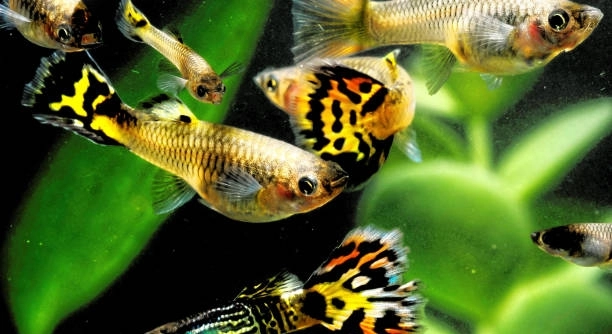
Guppy tail rot is a common issue that can affect your fish, but with the right care, it’s preventable. Understanding the causes and knowing how to keep your guppies healthy can help avoid this frustrating problem.
To prevent guppy tail rot, ensure clean water conditions, maintain proper tank temperatures, feed a balanced diet, avoid overcrowding, and provide stress-free environments. Regular water changes and proper filtration can also minimize the risk of bacterial infections leading to tail rot.
Implementing these simple steps can help protect your guppies from tail rot. Keep reading for more detailed advice on preventing and treating this issue.
Clean Water Conditions Are Essential
Keeping your guppy tank clean is one of the most important ways to prevent tail rot. Dirty water can cause bacterial growth, which directly contributes to the spread of infections like tail rot. Regular water changes are necessary to keep harmful toxins and bacteria at bay. A well-maintained tank with proper filtration ensures that your guppies stay healthy and free from diseases.
A good rule of thumb is to change 25% to 30% of the water weekly. Make sure the filter is working efficiently and remove any debris or waste from the bottom of the tank. This simple task helps keep your water fresh and clear.
In addition to cleaning, test the water regularly for ammonia, nitrites, and nitrates. These chemicals can build up and stress your fish, making them more susceptible to illnesses. Clean water promotes a healthy immune system, and a strong immune system helps fight off infections like tail rot. You should also monitor the pH level, as extreme fluctuations can stress your guppies.
Proper Temperature for Healthy Guppies
Guppies thrive in a stable water temperature.
Maintaining a consistent temperature between 75°F and 80°F (24°C to 27°C) will keep your fish comfortable and prevent stress, which can make them more vulnerable to infections like tail rot. Sudden temperature drops can lower their immune response, leading to health issues.
To maintain the right temperature, invest in a reliable heater for your tank. A thermometer will help you monitor fluctuations and ensure the environment is always optimal. Avoid placing the tank in drafty areas or direct sunlight, as this can cause rapid temperature changes. Consistent warmth encourages healthy fish that are better able to fight off illnesses.
A Balanced Diet is Key to Preventing Tail Rot
What you feed your guppies affects their overall health, including their ability to fight off infections. A poor diet can weaken their immune system and increase the risk of tail rot. Ensure your guppies are getting a mix of high-quality flakes, pellets, and occasional live food. Offering a varied diet helps provide all the nutrients they need.
Feeding once or twice a day is sufficient, but don’t overfeed. Uneaten food can pollute the water, leading to poor water quality, which could contribute to tail rot. Supplementing their diet with foods high in vitamins and minerals boosts their resistance to diseases.
Consider adding supplements to their diet, like garlic or vitamin-enriched foods, which are known to improve immune function. A healthy immune system will help prevent tail rot and other illnesses, ensuring your guppies remain strong and vibrant.
Avoid Overcrowding in the Tank
Overcrowding your guppy tank can lead to stress and poor water quality. Guppies need space to swim freely, and too many in a small tank can cause fighting and make them more susceptible to diseases. This stress weakens their immune system, making them more prone to infections like tail rot.
To avoid overcrowding, calculate the tank size based on the number of guppies you have. A general rule is to allow one inch of fish per gallon of water. This ensures your guppies have enough room to move and reduces the chances of stress-related health issues. Keep in mind that fish that feel cramped are more likely to become sick.
It’s also important to monitor the behavior of your guppies regularly. If they seem overly stressed, aggressive, or are showing signs of illness, consider upgrading the tank or removing some of the fish. A spacious tank will provide a more relaxed environment for your guppies and help them stay healthier for longer.
Reduce Stress for Your Guppies
Stress is one of the main factors contributing to guppy tail rot.
When guppies are stressed, their immune system weakens, making them more susceptible to infections. Stress can result from a variety of factors, such as sudden changes in water temperature, overcrowding, or aggressive tankmates. It’s essential to keep the environment as stable as possible.
You can help reduce stress by maintaining consistent water quality and temperature. Provide plenty of hiding spots in the tank, like plants or rocks, so your guppies can retreat when they feel threatened. Avoid introducing new fish too quickly and ensure tankmates are peaceful. The more comfortable your guppies feel, the better their immune system will function. A stress-free environment is key to preventing tail rot.
Use Proper Filtration
Good filtration is crucial for maintaining water quality in your tank. Poor filtration can lead to toxins and bacteria buildup, which increases the risk of tail rot. Ensure the filter is appropriate for the size of your tank and is cleaned regularly to keep your water clean.
A good filter helps keep the water oxygenated and free of harmful substances like ammonia and nitrates. It’s important to change filter media as needed and ensure the flow rate is not too strong for your guppies. Over time, this will help prevent bacterial infections that contribute to tail rot.
Isolate Sick Fish Immediately
If you notice any guppies showing signs of tail rot, it’s essential to isolate them from healthy fish.
This prevents the infection from spreading to other guppies. Use a quarantine tank with separate water and filtration to keep the sick fish isolated until they recover. Early intervention can prevent the problem from worsening.
Isolating sick fish allows you to treat them without risking the health of the rest of your tank. This step is especially important if multiple guppies are showing symptoms. Keeping a close eye on their condition and taking quick action can make all the difference in preventing further damage.
Treat the Tank with Antibiotics
When tail rot becomes a concern, it’s crucial to treat the entire tank with antibiotics.
This helps prevent the spread of bacteria that cause the infection. If you catch the issue early, this treatment can stop tail rot from worsening and affecting other guppies. Make sure to follow dosage instructions carefully to avoid harming your fish.
In some cases, antibiotic treatment might not be necessary if the infection is mild. However, in more severe cases, using the right medication can effectively stop the bacteria from spreading. Always research the appropriate treatment for guppies before using any antibiotic to ensure it’s safe for your fish.
Final Thoughts
Guppy tail rot is a common but preventable issue, and with the right care, your guppies can live long, healthy lives. Maintaining clean water, the right temperature, and a proper diet are key steps to keeping your guppies safe from tail rot. Regular tank maintenance, including water changes and filtration, helps reduce the risk of infections that could lead to tail rot. By creating a stress-free environment with enough space and hiding spots, you can keep your fish happy and healthy.
It’s also important to recognize the signs of tail rot early. If you notice fraying or discoloration on your guppy’s tail, act quickly by isolating the affected fish and treating the tank with the right antibiotics. The faster you address the issue, the better chance your guppy has of recovering without the infection spreading to others. Regularly monitoring the health of your guppies and their tank environment helps catch any potential issues before they become more serious problems.
Preventing tail rot requires consistent attention and care, but it is worth the effort. Your guppies will thrive in a well-maintained environment, and you’ll enjoy watching them swim around happily. By following these steps and staying proactive about water quality, stress reduction, and proper care, you can prevent tail rot and other common fish health problems. A healthy aquarium is not only better for your fish but also for your peace of mind.

Hello,
If you enjoy the content that we create, please consider saying a "Thank You!" by leaving a tip.
Every little bit helps us continue crafting quality advice that supports the health, happiness, and well-being of pets around the world, for pets of all shapes, sizes, and species.
We really appreciate the kindness and support that you show us!