
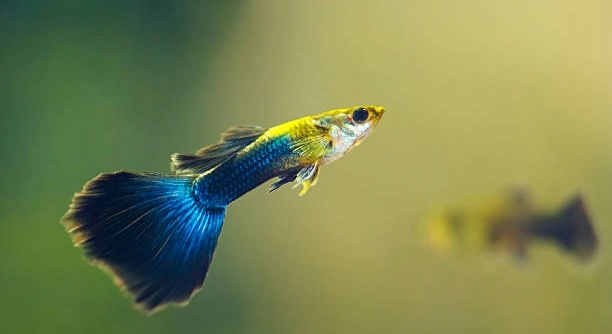
Do your guppies sometimes scratch against objects or appear less active than usual, making you wonder if parasites are the cause?
The best way to prevent guppy parasites is by maintaining clean tank conditions, quarantining new fish, and feeding a balanced diet. Regular water changes, proper filtration, and observation for early signs of infection are essential steps.
By learning simple and effective care techniques, you can protect your guppies and support their health and happiness in the long run.
Keep the Tank Clean and Stable
Clean water plays a major role in keeping guppies healthy. Dirty tanks encourage parasite growth, especially if ammonia and nitrite levels rise. To prevent this, change 25% of the water weekly and vacuum the gravel to remove waste buildup. A reliable filter helps maintain water quality, and testing kits can track chemical levels. It’s also important to avoid sudden changes in temperature or pH. Guppies thrive in consistent environments, so always match water parameters when adding new water. Clean decorations and remove uneaten food regularly. These small actions can lower the risk of parasites significantly and keep your fish active and comfortable.
Dirty tanks can weaken your guppies’ immune systems, making them more likely to get infected. A stable, clean environment helps prevent that.
Use a thermometer, test strips, and a basic cleaning schedule. Once you build the habit, maintenance becomes quick and easy. Your guppies will stay stronger and live longer.
Quarantine New Fish Before Adding
New fish can carry parasites that aren’t visible at first. Quarantining them in a separate tank for at least two weeks helps protect your current fish.
During quarantine, observe for symptoms like clamped fins, rubbing against objects, or white spots. Treat issues in isolation before moving the fish to the main tank. Keep this temporary tank simple—just a filter, heater, and basic shelter. Don’t rush the process. Introduce them only when you’re sure they’re healthy. This step avoids spreading infections to your guppies. Even fish from trusted sources may carry parasites, so quarantining is always a safe choice. It might feel like extra work at first, but it can save you from dealing with outbreaks later. Watch carefully, maintain clean water, and feed high-quality food. This gives new fish a good adjustment period while keeping your tank safe.
Avoid Overcrowding the Tank
Too many fish in one tank can lead to stress and disease. Overcrowding increases waste, lowers oxygen, and creates ideal conditions for parasites. Give guppies enough space to swim comfortably and establish a safe pecking order.
A good rule is one gallon of water per inch of fish. Overstocked tanks lead to frequent fights, uneven feeding, and rising ammonia levels. These stressors make fish more vulnerable to parasites and infections. Use a tank size that supports your full guppy count. Also, limit other species sharing the space, especially aggressive ones. A peaceful, well-balanced tank reduces stress-related illness. Watch for signs of trouble such as hiding or nipped fins. Address them quickly to keep things stable. Keeping fish numbers under control also makes cleaning easier and ensures each guppy has access to food and space without competition.
Parasites spread faster in crowded conditions. A spacious tank allows better filtration, healthier behavior, and more predictable water parameters. Monitor how your guppies interact—if they seem restless or aggressive, it might be time to reduce the population. Balance is key. Healthy space encourages stronger immune systems and gives your guppies a better chance of fighting off potential infections without added stress from poor conditions or constant social tension.
Feed a Balanced and Varied Diet
Feeding the same food every day can lead to deficiencies. A poor diet weakens your guppies’ immune system and makes them easier targets for parasites. Offer a variety of protein-rich and plant-based options.
Use high-quality flakes or pellets as a staple, but rotate in freeze-dried or frozen foods like brine shrimp or bloodworms. These provide important nutrients and help mimic their natural diet. Occasionally add blanched vegetables like zucchini or spinach for fiber. Feed small portions once or twice a day, only what they can finish in a few minutes. Overfeeding causes leftover food to rot, increasing harmful bacteria. Remove any uneaten bits after meals. Healthy eating supports internal health and makes guppies more resilient to disease. Look for clear eyes, strong color, and active swimming as signs that their diet is working well. Consistent variety can help maintain long-term health and parasite resistance.
Maintain Proper Water Temperature
Guppies thrive in water between 74°F and 82°F. If the temperature drops or fluctuates often, their immune systems weaken, making them easier targets for parasites. Use a reliable heater and check the temperature daily with a thermometer.
Sudden changes stress your fish and can lead to illness. Keep the tank away from windows or vents, and avoid placing it where sunlight can overheat the water. Stable temperature means better resistance to parasites.
Clean Equipment Regularly
Dirty filters, nets, and decorations can spread parasites. Rinse these items with old tank water during water changes. Avoid using soap or harsh chemicals, as they can harm your fish. Consistent cleaning limits contamination risks.
Choose Tankmates Carefully
Some fish carry parasites without showing symptoms. Research compatibility and health risks before adding new species. Avoid aggressive or sickly fish. Choosing peaceful, healthy tankmates helps maintain a stress-free environment and reduces the chance of infections spreading.
FAQ
What are common signs that my guppy has parasites?
Look for symptoms like weight loss despite normal eating, white stringy poop, clamped fins, rubbing against tank objects, or sudden inactivity. Guppies may also develop visible spots, sores, or swollen bellies. These signs often show up gradually, so it’s important to observe them daily. If several fish begin showing symptoms at once, it’s likely an active parasitic issue spreading through the tank. Identifying the problem early helps reduce its impact and protects the rest of the tank from infection. Don’t wait for visible parasites—behavioral changes often appear first.
Can I treat guppy parasites without harming healthy fish?
Yes, but choose medications carefully. Some treatments target internal or external parasites and may stress healthy fish if dosed incorrectly. Use a separate hospital tank for treatment when possible. If treating the main tank, remove carbon filters, follow dosage instructions exactly, and keep an eye on water parameters. Use products designed for guppies or freshwater fish. After treatment, do partial water changes and consider adding beneficial bacteria to restore balance. Avoid overmedicating. Treating fish unnecessarily can affect their immune systems and lead to stress. Use medication only when symptoms are clear.
How long should I quarantine new fish before adding them to my main tank?
Two weeks is the minimum recommended quarantine period. During this time, monitor new fish daily for symptoms like odd swimming patterns, scratching, weight loss, or color changes. Feed them well and keep water conditions stable. If you see no signs of illness, it’s generally safe to introduce them. If symptoms appear, treat them in the quarantine tank and restart the two-week countdown after treatment ends. This step helps stop silent infections from reaching your established guppies. Even fish that look healthy at first can carry hidden parasites.
Is it safe to use salt in a guppy tank to prevent parasites?
Yes, aquarium salt can be helpful in low doses. It may reduce stress and support gill function while making the environment less suitable for some parasites. However, it’s not a cure for all infections. Use only the amount recommended for guppies—usually about 1 tablespoon per 5 gallons of water. Dissolve salt before adding it to the tank. Be careful if other freshwater species are present, as not all tolerate salt well. Do not use table salt or iodized salt. Aquarium salt works best as a preventive aid rather than a direct treatment.
Can live plants help prevent parasite outbreaks?
Yes, but indirectly. Live plants improve water quality by reducing ammonia and nitrate levels, which supports stronger immune systems in guppies. Healthier fish are less likely to become infected. Plants also reduce stress by providing hiding spots. However, new plants can carry parasites or pest snails, so always rinse them before adding them to your tank. You can also quarantine plants in a separate container for a few days to observe for hitchhikers. Plants don’t kill parasites directly, but they do contribute to a balanced and healthier environment.
How often should I clean the tank to avoid parasites?
Perform a partial water change of about 25% once a week. Clean the gravel, rinse the filter sponge in old tank water, and remove uneaten food and waste. Avoid complete water changes, as they can shock your guppies and disrupt the beneficial bacteria. Clean tank glass and decorations if you see algae or buildup. Don’t overclean or strip everything at once—this can cause water instability. Consistent, gentle maintenance is better than occasional deep cleans. Keep track of water parameters, especially ammonia, nitrites, and nitrates, using test kits.
Are young guppies more likely to get parasites?
Yes, younger guppies have weaker immune systems and are more vulnerable to infections. Fry are especially sensitive to water changes, poor diet, and overcrowded conditions. Keep their tank extra clean and warm, and provide protein-rich food to help them grow stronger. Avoid introducing them to a tank with adult fish that haven’t been quarantined or treated. If fry show signs of illness, isolate them quickly. Maintaining stable, gentle conditions during early growth stages helps prevent infections and supports healthy development.
What should I do if a guppy dies from parasites?
Remove the dead fish immediately and check the rest of the tank for symptoms. Test water parameters and perform a partial water change. Depending on the cause, consider treating the tank with medication suitable for the type of parasite involved. Clean the filter and decorations using old tank water. Monitor surviving fish closely for at least a week. If more deaths occur, you may need to move healthy-looking fish to a hospital tank for treatment. Act quickly but carefully. Removing the source and improving conditions can stop the spread.
Final Thoughts
Keeping guppies healthy starts with consistent care and early prevention. Parasites often show up when water quality drops, new fish are added too quickly, or basic maintenance is overlooked. Clean water, stable temperatures, and careful feeding routines all make a big difference. Watching your guppies daily can help you spot small changes before they become serious problems. If a fish starts acting differently or stops eating, it’s worth paying attention. Many issues begin gradually, and early action can protect the entire tank. Prevention is easier and less stressful than trying to treat an outbreak after it spreads.
Taking small steps can help you avoid common problems. Quarantining new fish, rinsing live plants, and using clean equipment are all simple but important habits. Choosing compatible tankmates also reduces stress and keeps your guppies from getting sick. When fish feel safe and calm, they are less likely to catch infections. Make sure your tank is not overcrowded, and give your guppies space to swim and hide. Even things like turning the lights on and off at the same time each day can help them feel secure. Sticking to a regular cleaning and feeding schedule supports their immune systems and keeps parasites under control.
Parasite prevention isn’t about perfection. It’s about staying consistent and noticing problems early. No tank is completely free from risk, but keeping the environment balanced goes a long way. If something goes wrong, don’t panic. Isolate the sick fish, check your water parameters, and respond calmly. Most treatments work best when you act fast and follow directions closely. Over time, your experience will grow, and you’ll learn how to handle small setbacks without stress. Healthy guppies are active, colorful, and a pleasure to care for. With regular effort and attention, your guppies can live long, parasite-free lives in a clean and stable tank.

Hello,
If you enjoy the content that we create, please consider saying a "Thank You!" by leaving a tip.
Every little bit helps us continue crafting quality advice that supports the health, happiness, and well-being of pets around the world, for pets of all shapes, sizes, and species.
We really appreciate the kindness and support that you show us!