
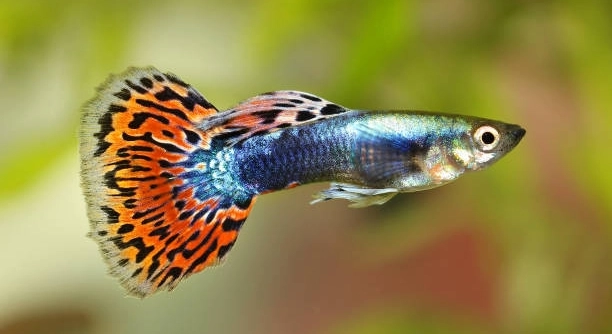
Overcrowding in a guppy tank can lead to stress, poor water quality, and even health problems for your fish. Ensuring a balanced environment is essential to keep your guppies happy and healthy.
To prevent guppy overcrowding, maintaining an appropriate tank size, regular water changes, and careful monitoring of your guppy population are key. Properly managing breeding and ensuring adequate space for each fish will reduce stress and improve their overall health.
Understanding these steps will help you create a thriving environment for your guppies, preventing overcrowding and maintaining a healthy, balanced tank.
Tank Size Matters
The size of your tank directly impacts your guppies’ living conditions. Overcrowding is a common issue in smaller tanks, where there’s simply not enough space for the fish to swim comfortably. A larger tank helps maintain better water quality and provides more room for your guppies to thrive.
If you plan to house multiple guppies, aim for at least a 10-gallon tank for a small group. The general rule is 1 inch of fish per gallon of water, but this can vary depending on the species and tank setup. Inadequate space can lead to stress, diseases, and poor growth.
Regularly assess your tank’s population, making sure that your guppies have enough room to swim freely. If you’re considering breeding, plan ahead by upgrading the tank size. A larger environment means healthier fish and easier management of water conditions. By maintaining an optimal tank size, your guppies will have the best chance at living a long, healthy life.
Manage Guppy Breeding
Breeding is another factor in guppy overcrowding. Uncontrolled reproduction can quickly lead to more fish than your tank can handle.
To prevent overcrowding from breeding, separate males and females or use a breeding box to control the process. Keep in mind that guppies can reproduce rapidly. A female can give birth every 4-6 weeks, so managing the breeding schedule is essential. By controlling breeding, you ensure that your tank remains balanced and your guppies are healthy.
Water Quality is Key
Good water quality is essential for preventing overcrowding-related issues. As more guppies inhabit the tank, the water can quickly become polluted with waste. Regular water changes are necessary to keep the water fresh and free of harmful substances.
To maintain water quality, perform partial water changes every 1-2 weeks, depending on the size of your tank and the number of guppies. Monitor ammonia, nitrite, and nitrate levels regularly. Using a quality filtration system helps maintain clean water and prevent toxins from building up. Poor water quality will stress out the fish, leading to illness and reduced lifespan. Keeping water conditions stable is key to healthy guppies.
Regular testing for water parameters ensures that your tank stays balanced. Clean water is critical for their well-being, and a stable environment reduces the risk of overcrowding-related health problems. Without clean water, guppies will face challenges, making their living conditions unsustainable. A well-maintained tank keeps your fish comfortable.
Separate Male and Female Guppies
To avoid unwanted breeding, separating male and female guppies is an effective solution. Keeping them apart ensures that their population remains manageable and prevents overcrowding from getting out of control.
It’s important to separate them early on. Male guppies are more active and can be aggressive toward females. If they’re kept together, the females may become stressed and overbred, which leads to frequent pregnancies and overcrowding. You can also consider using a breeding box if you want to monitor the process more closely. This method helps prevent overcrowding while giving females time to rest.
Use a Proper Filtration System
A good filtration system is essential for maintaining clean water and preventing overcrowding. It helps remove waste and excess food, which can quickly accumulate and pollute the tank. Without it, your guppies’ environment will deteriorate, and overcrowding problems will worsen.
Filtration is not just about removing debris; it also aids in balancing the water’s chemical levels. A filter helps break down harmful substances like ammonia and nitrites. With proper filtration, you’ll reduce the risk of diseases that often accompany overcrowded tanks. This keeps your guppies healthy, reducing stress and ensuring a cleaner environment.
Monitor Water Temperature
Consistent water temperature is critical for your guppies’ health. Water that’s too warm or cold can cause stress, making it harder for them to thrive. Always monitor the temperature closely to maintain a stable environment for your fish.
Invest in a reliable aquarium thermometer and keep the temperature between 72°F and 82°F (22°C – 28°C). Extreme fluctuations can negatively impact their immune systems and lead to poor health. Maintaining a steady temperature allows your guppies to stay healthy, reducing overcrowding-related stress and improving their overall well-being.
FAQ
How do I know if my guppies are overcrowded?
Overcrowding can be difficult to spot at first, but there are signs to look for. Guppies may become stressed, with increased hiding behavior or erratic swimming. You might also notice poor water quality, which leads to algae growth, foul odors, or high ammonia levels. If the guppies appear cramped or frequently fight for space, overcrowding is likely. A sudden spike in diseases can also be a sign of too many fish in the tank. Keep an eye on these signs to prevent further issues.
What is the ideal tank size for guppies?
A general rule is 1 inch of fish per gallon of water, but this varies based on your guppy’s size and the setup of your tank. For a small group of guppies, a 10-gallon tank is a good starting point. If you’re adding more guppies or other species, a larger tank will be necessary. An overcrowded tank can lead to poor water quality and increase the likelihood of disease. Larger tanks provide more space for your guppies to swim freely, creating a healthier environment.
Can I have multiple males and females in the same tank?
Yes, but it’s important to balance the number of males and females. If there are too many males, they can become overly aggressive toward the females. This will lead to stress and could harm the females. On the other hand, too many females can quickly lead to overbreeding and overcrowding. A good ratio is one male for every two to three females. If you’re concerned about breeding, separate the sexes to maintain better control of the population.
How often should I perform water changes?
Water changes should be done regularly to maintain a clean environment. For a tank with a moderate number of guppies, change about 25-30% of the water every 1-2 weeks. If your tank is more heavily stocked, you may need to change water more frequently. Regular changes remove toxins, excess food, and waste that accumulate in the tank. Always use a water conditioner to dechlorinate the water and maintain a safe environment for your guppies.
How can I prevent guppy overpopulation?
The easiest way to prevent overpopulation is by controlling breeding. Separate males and females to stop accidental breeding. If you want to breed guppies, you can use a breeding box or isolate the females once they are pregnant to prevent overcrowding in the main tank. Additionally, if you decide to breed, plan for how to manage the extra fry. You can give them away, sell them, or create a separate tank for them until they’re ready to be introduced to the main tank.
Can guppies live in a tank with other fish?
Yes, guppies can coexist with other peaceful species. However, make sure the tank isn’t overcrowded with too many different types of fish. Guppies can be intimidated by larger, more aggressive fish, so it’s best to pair them with calm, non-predatory species. Choose tank mates that prefer similar water conditions and temperature ranges. Keeping the fish community small and balanced will reduce stress and prevent overcrowding issues. Always monitor the tank’s population and remove fish if needed to maintain a healthy environment.
Do guppies need a filter?
Yes, guppies benefit greatly from having a filter. A good filter helps remove waste, food particles, and debris, while also promoting better water circulation. This is essential for maintaining healthy water conditions. Without a filter, harmful toxins like ammonia and nitrates can build up quickly, especially in a densely populated tank, leading to poor water quality and stressed guppies. A filter will also help maintain proper oxygen levels, which is essential for the health of your guppies.
How can I make sure my guppies have enough space to swim?
To ensure your guppies have enough room, consider the tank size, the number of fish, and how they interact with each other. A tank with adequate swimming space will reduce territorial behavior, stress, and injuries. As a rule, the larger the tank, the better the fish will adapt to the available space. If you start seeing your guppies swimming near the surface or near the tank walls frequently, it could be a sign that they’re cramped. Overcrowding can lead to aggression and sickness, so be sure to monitor their space.
What should I feed my guppies to keep them healthy?
Guppies are omnivores and require a balanced diet of high-quality flakes, pellets, and occasional live or frozen foods like brine shrimp or bloodworms. Providing a variety of food ensures they get the necessary nutrients for growth and energy. Be careful not to overfeed, as excess food can pollute the water and contribute to overcrowding-related issues. Guppies thrive with a small amount of food 2-3 times per day, and leftovers should be removed promptly to maintain water quality.
How do I deal with guppy fry without overcrowding the tank?
Guppy fry are small and need their own space to grow. If you want to avoid overcrowding, separate the fry from the adult guppies as soon as they are born. You can place them in a separate tank or use a breeding box within the main tank. As the fry grow, you can slowly introduce them to the main tank. This will help prevent overcrowding, as the baby guppies won’t compete for space or food with the adults.
Final Thoughts
Preventing overcrowding in your guppy tank is essential for maintaining a healthy environment for your fish. A crowded tank can quickly lead to poor water quality, increased stress, and the spread of diseases. By monitoring the size of your tank, controlling the breeding process, and ensuring your guppies have enough space, you can help keep your tank balanced. Regular water changes and maintaining proper filtration are also key steps in keeping the environment clean and healthy for your fish.
It’s important to understand that guppies thrive in a well-maintained and controlled setting. Overcrowding not only affects their physical health but can also impact their behavior. Stress caused by limited space can result in aggression, fin damage, and other health issues. Keeping a balanced number of guppies in a spacious tank, along with proper water conditions, will help prevent these problems. You don’t have to limit yourself to a small number of guppies, but you do need to ensure that their environment is well-maintained and capable of supporting them.
Ultimately, caring for guppies involves understanding their needs and creating the best possible living conditions. By controlling the population, managing the tank size, and providing quality water and food, you can avoid overcrowding and the negative effects that come with it. With these simple steps, you can enjoy a thriving guppy tank, where your fish are healthy, happy, and free to swim in a comfortable environment.

Hello,
If you enjoy the content that we create, please consider saying a "Thank You!" by leaving a tip.
Every little bit helps us continue crafting quality advice that supports the health, happiness, and well-being of pets around the world, for pets of all shapes, sizes, and species.
We really appreciate the kindness and support that you show us!