
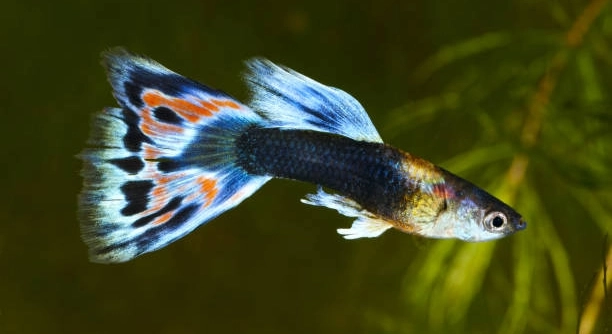
Guppy disease is a common issue for fish keepers, and it can quickly spread if not addressed. Understanding the causes and prevention methods is essential to maintaining a healthy tank environment for your guppies.
Preventing guppy disease requires proper water quality, maintaining stable temperatures, avoiding overfeeding, and isolating infected fish. Quarantining new fish and ensuring good tank hygiene can help reduce the risk of disease outbreaks in your aquarium.
Taking a few simple precautions can go a long way in safeguarding your guppies’ health. By following these tips, you can maintain a happy, thriving tank for your fish.
Maintaining Proper Water Quality
Keeping the water clean and well-maintained is one of the most important factors in preventing guppy disease. Dirty water can easily lead to stress, weakened immune systems, and the spread of harmful bacteria or parasites. Regular water changes, along with checking water parameters like pH, ammonia, nitrites, and nitrates, will help ensure a healthy environment. Filtration systems should be maintained to prevent any buildup of waste, as excess waste can lower water quality and encourage illness. Make sure to use a high-quality water conditioner to neutralize harmful substances found in tap water.
To prevent disease, aim for a consistent water temperature around 76-80°F. Sudden temperature fluctuations can stress your guppies, leaving them vulnerable to disease. Regularly testing the water will help you stay ahead of any potential problems and keep your guppies in a safe, stable environment.
One of the easiest ways to prevent disease is by checking the water conditions regularly. Regular maintenance, like water changes and testing, will help ensure your guppies remain healthy and stress-free. Always keep the tank well-filtered.
Quarantining New Fish
When introducing new guppies into your tank, it’s essential to quarantine them before adding them to your main aquarium. This helps prevent any potential diseases from spreading to your established fish. A separate quarantine tank allows you to observe the new fish for signs of illness without putting your current fish at risk. This simple step can save a lot of trouble in the long run.
Quarantining new fish for at least two weeks can help you ensure they are free from diseases. During this time, monitor them closely for any symptoms of illness. If no problems arise, the fish can be safely introduced into the main tank.
Proper Feeding Techniques
Overfeeding is one of the main contributors to poor water quality and health issues in guppies. Make sure to feed them the right amount, avoiding excess food that could decay in the tank. Stick to small, frequent feedings, giving them only what they can consume in a few minutes. Uneaten food can cause an increase in ammonia levels, leading to stress and disease.
A balanced diet is also crucial. Guppies require a variety of nutrients, so providing a mix of high-quality flake foods, frozen or live foods like daphnia, and occasional plant matter will ensure they stay healthy. Too much of one type of food can cause imbalances in their diet and affect their immune system.
Monitor the food intake and keep track of any uneaten food to avoid overfeeding. Proper feeding will not only prevent diseases but also promote better growth and vibrant coloration for your guppies. Keep your tank clean and healthy by feeding in moderation.
Stable Tank Environment
Maintaining a stable environment means minimizing stress for your guppies. Fluctuations in temperature, water quality, or lighting can weaken their immune systems, leaving them more susceptible to disease. Guppies thrive in consistent conditions, so regular monitoring and adjustments are essential. A heater with a thermostat is useful for maintaining a steady temperature, and timers for lights can help prevent unnecessary stress.
Introduce a regular cleaning schedule for your tank and check water conditions weekly. This will help maintain a stable and healthy environment for your fish. Also, ensure your filter is working correctly, as this helps keep the water oxygenated and free of harmful substances. If you notice any stress signs, such as faded colors or lethargy, check the environment immediately for inconsistencies.
A stable tank environment can make all the difference in your guppies’ overall health. Keeping conditions consistent will help prevent potential outbreaks and keep your guppies happy.
Tank Hygiene
Keeping your tank clean is essential for preventing disease. Regularly remove debris, leftover food, and waste to maintain good water quality. Clean the filter every few weeks, but avoid over-cleaning, as it can disrupt beneficial bacteria.
Perform partial water changes every week to keep the tank’s environment stable. A clean tank prevents the buildup of harmful bacteria, parasites, and algae, which can all lead to guppy diseases. By staying on top of cleanliness, you will reduce the risk of illness and keep your fish thriving.
A clean tank is key to healthy fish. Maintaining hygiene in both the water and the tank itself can make a huge difference in the well-being of your guppies.
Avoiding Overcrowding
Overcrowding your tank can increase stress and the likelihood of disease. Ensure your tank has enough space for the number of fish you have. A good rule of thumb is one inch of fish per gallon of water.
Crowding also reduces water quality, as more fish means more waste. This leads to poor oxygen levels and greater chances of bacteria buildup. Fish will be more susceptible to diseases when they don’t have enough room to move freely or when the water isn’t properly oxygenated. Keeping the tank lightly stocked is vital for long-term health.
A balanced fish-to-water ratio helps to keep the tank healthy. Overcrowding can cause stress, which weakens the immune systems of your guppies.
Isolating Infected Fish
When you notice any sick guppies, isolate them immediately. This will help prevent the disease from spreading to the rest of the tank. Place the infected fish in a quarantine tank with proper water conditions to monitor their progress.
Isolating ill guppies reduces the risk of outbreaks in the main tank. Make sure to use appropriate treatments for the specific disease, and closely observe the fish’s condition. This action helps protect the overall health of your aquarium.
Isolating sick fish can prevent further problems. It’s a quick and effective solution to maintain the health of your other fish.
FAQ
What are the common signs of guppy disease?
Common signs of guppy disease include faded or dull colors, lethargy, abnormal swimming behavior, and a loss of appetite. You may also notice lesions, swollen bellies, or clamped fins. These symptoms often indicate stress or an underlying illness. If you spot any of these signs, act quickly to isolate the affected fish and adjust the tank conditions.
How can I prevent guppy disease?
Preventing guppy disease involves several factors: maintaining proper water quality, feeding a balanced diet, ensuring stable tank conditions, and keeping the tank clean. Regular water changes and quarantine for new fish can help prevent infections. Avoid overcrowding and stress by providing adequate space and resources for your guppies.
What should I do if my guppy is sick?
If your guppy shows signs of illness, the first step is isolation. Place the sick fish in a quarantine tank to prevent the spread of the disease. Check water quality and temperature, as poor conditions may be the cause. Consult a fish expert or veterinarian to identify the illness and treat it appropriately.
Can guppy disease spread to other fish?
Yes, guppy disease can easily spread to other fish in the same tank. Many fish diseases are contagious, especially if the water conditions are poor. To prevent an outbreak, isolate any sick fish and monitor the health of your remaining fish. Quarantine any new arrivals before adding them to your main tank.
How often should I clean my guppy tank?
Cleaning your guppy tank regularly is important for maintaining good water quality. Perform partial water changes every week, replacing about 25-30% of the water. Clean the filter and remove debris from the substrate every few weeks. Be careful not to over-clean, as it can disrupt beneficial bacteria.
What temperature is best for guppies?
Guppies thrive in water temperatures between 76-80°F (24-27°C). Temperatures outside this range can cause stress, weaken their immune system, and make them more vulnerable to disease. Use a heater with a thermostat to maintain a consistent temperature in your tank, avoiding any drastic changes.
How can I improve the water quality in my guppy tank?
Improving water quality starts with regular water changes and ensuring the filter is working efficiently. Monitor parameters like pH, ammonia, nitrites, and nitrates regularly. Use a good water conditioner to remove harmful substances from tap water. Keeping your tank free of excess food and waste also contributes to better water quality.
What is the best food for guppies?
Guppies thrive on a varied diet, including high-quality flake foods, live foods like brine shrimp or daphnia, and occasional plant matter. Make sure to feed them small amounts, multiple times a day, to prevent overfeeding. A balanced diet will help maintain their health and vibrant coloration.
Can stress cause guppy disease?
Yes, stress is a major factor in guppy health issues. Overcrowding, poor water quality, fluctuating temperatures, and incompatible tankmates can all contribute to stress. When guppies are stressed, their immune systems weaken, making them more susceptible to diseases. Reducing stressors is key to preventing illness.
How can I treat guppy disease?
Treatment depends on the specific illness. If you know the disease, research the appropriate medication or natural remedies. Often, sick fish can benefit from better water conditions, warmer water, or salt baths. In more severe cases, seek advice from a professional to ensure the right course of treatment.
Should I add salt to my guppy tank?
Adding aquarium salt can help with certain fish diseases, such as external parasites or skin lesions. However, salt should be used cautiously and in the right amounts, as too much can stress your guppies. Always research the type of illness and follow proper guidelines for using salt in your tank.
What’s the best way to introduce new guppies to my tank?
Introduce new guppies to your tank by first quarantining them for at least two weeks. This helps ensure they are free from diseases. After quarantine, gradually acclimate them to the tank water by floating their bag in the tank for about 15 minutes before releasing them. This helps prevent shock from sudden water changes.
Can guppies live with other fish?
Guppies are peaceful and generally get along well with many other small fish species. However, avoid placing them with aggressive or territorial fish, as guppies can become stressed or injured. Good tankmates for guppies include tetras, small catfish, and other peaceful community fish.
How long do guppies live?
Guppies typically live for 2 to 3 years, though some can live longer if they are kept in ideal conditions. Proper water quality, a balanced diet, and a stress-free environment can help them reach their maximum lifespan. Regular care and attention can lead to healthier, happier guppies.
Final Thoughts
Taking care of guppies requires a combination of good water quality, proper feeding, and a clean tank environment. These small fish thrive when their living conditions are stable and free of stress. By following basic guidelines like maintaining the right water temperature, feeding them in moderation, and avoiding overcrowding, you can help ensure that your guppies remain healthy. Regular water changes and careful observation of their behavior can help you spot any signs of illness early, making it easier to address problems before they become serious.
It’s also important to remember that prevention is key. By isolating new fish before adding them to your main tank, you can avoid introducing diseases that could affect your existing guppies. Keeping your tank free from excess food and waste will reduce the buildup of harmful substances, which can lead to health issues for your fish. Regularly checking water parameters like pH and ammonia levels is another important step in preventing problems. The more proactive you are, the less likely you are to encounter serious health issues with your guppies.
In the end, healthy guppies are the result of consistent care and attention. While it may take some time to learn what works best for your fish, following these simple steps can help create a stable, thriving tank. A little effort goes a long way in ensuring your guppies live long, happy lives. By maintaining a proper tank environment and staying observant, you can minimize the risk of disease and enjoy your guppies for years to come.

Hello,
If you enjoy the content that we create, please consider saying a "Thank You!" by leaving a tip.
Every little bit helps us continue crafting quality advice that supports the health, happiness, and well-being of pets around the world, for pets of all shapes, sizes, and species.
We really appreciate the kindness and support that you show us!