
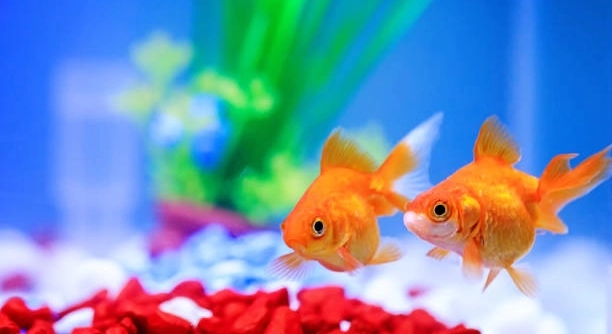
Goldfish are beautiful and peaceful creatures, but they can sometimes fall ill from bacterial infections. These infections can harm your goldfish’s health and even lead to death if not treated properly. It’s important to prevent such problems before they arise.
To prevent bacterial infections in goldfish, maintaining clean water, providing proper filtration, controlling temperature, and offering a balanced diet are crucial. Regularly monitor water parameters and quarantine new fish to avoid introducing harmful bacteria.
Taking care of your goldfish involves more than just feeding them. Understanding how to avoid bacterial infections will ensure they live a long and healthy life. Keep reading for more tips on protecting your fish.
Maintain Clean Water
Keeping your goldfish’s tank clean is one of the most effective ways to prevent bacterial infections. Goldfish produce waste that can quickly pollute their environment, leading to poor water quality. If left unchecked, this can weaken their immune system and make them more susceptible to infections. Regular water changes, proper filtration, and removing leftover food from the tank can keep bacteria levels in check.
A good practice is to change about 20-30% of the water every week. This keeps the water fresh and helps remove harmful substances. Be sure to use a good-quality water filter to keep the tank clean in between water changes.
In addition to routine cleaning, you should regularly test the water for common parameters like pH, ammonia, nitrites, and nitrates. Keeping these levels balanced helps to ensure a safe and healthy environment for your goldfish. When water quality is good, your goldfish can thrive and are less likely to face bacterial issues.
Proper Filtration
Having the right filtration system in place is essential. It helps remove waste and toxins from the water, which reduces the chance of bacteria building up. A good filter will maintain clean water and support your goldfish’s health.
A filter should match the size of your tank and have enough capacity to handle the waste produced. Goldfish are messy eaters, and their tanks often require powerful filtration. Regularly clean and replace the filter media to keep it running smoothly.
Control Temperature
Goldfish are sensitive to temperature changes, which can stress them and make them vulnerable to infections. Keeping the water at a consistent temperature between 65°F and 75°F is ideal for your goldfish’s health.
Investing in a reliable aquarium heater is a good way to ensure a steady temperature. Sudden temperature fluctuations can cause stress, making goldfish more prone to bacteria. Monitor the tank’s temperature regularly to prevent it from getting too cold or too warm. The right temperature keeps your goldfish comfortable and strengthens their immune system, reducing the risk of illness.
During winter months, temperature control becomes especially important. If the water drops too low, goldfish become lethargic and weaker, leaving them open to infections. A heater helps maintain a stable environment, especially if your home experiences sudden temperature drops. Regularly checking the heater’s functionality ensures your goldfish stay healthy year-round.
Offer a Balanced Diet
Feeding your goldfish a well-balanced diet is vital for their overall health and immune system. A good diet helps them stay strong and resistant to infections. Provide high-quality goldfish pellets and occasionally supplement with fresh vegetables or frozen foods for variety.
Overfeeding can lead to water contamination and digestive issues, so make sure to feed them the appropriate amount. Feed small amounts two to three times a day, ensuring they eat all the food in a few minutes. Goldfish also benefit from variety in their diet. Vegetables like spinach, peas, and lettuce can be added to their meals.
Ensure you’re offering food that’s appropriate for their size and age. Young goldfish need more protein, while older fish benefit from foods that help maintain their health. A balanced diet supports their immune system, improving their ability to fight off bacterial infections. Always remove any uneaten food after feeding to prevent waste buildup.
Quarantine New Fish
When adding new fish to your tank, it’s essential to quarantine them first. This prevents any potential infections from spreading to your existing goldfish.
New fish may carry bacteria or parasites that aren’t visible right away. By isolating them in a separate tank for a few weeks, you give them time to show any signs of illness. If any issues arise, you can treat the fish without risking the health of your goldfish. Quarantining ensures your aquarium stays clean and your goldfish stay healthy.
Keep the Tank Free from Debris
Any debris left in the tank can be a breeding ground for bacteria. Be sure to clean your tank regularly and remove any leftover food, plant matter, or waste.
Using a gravel vacuum during water changes can help remove hidden debris that might otherwise accumulate in the substrate. Removing these particles will keep the environment clean and reduce the risk of bacterial growth. Regular maintenance is key to a healthy tank.
Prevent Overcrowding
Overcrowding can lead to poor water quality and increased stress among your goldfish, making them more susceptible to infections. Ensure your tank is large enough for the number of fish you have.
Goldfish need ample space to swim and thrive. When the tank is overcrowded, the water quality deteriorates faster, creating the perfect environment for bacteria. Make sure your tank size is appropriate for your goldfish’s needs.
FAQ
How can I tell if my goldfish has a bacterial infection?
Signs of a bacterial infection in goldfish can include abnormal swimming, loss of appetite, cloudy eyes, and discolored or swollen skin. In severe cases, ulcers or lesions may form on the body, or the fins may appear frayed. If you notice any of these symptoms, it’s important to isolate the affected fish and consult with a veterinarian.
What should I do if my goldfish gets a bacterial infection?
If you suspect a bacterial infection, act quickly. Remove the infected fish from the main tank to prevent spreading the illness. Treat the infection with aquarium-safe antibiotics as recommended by a vet. Keep the water quality high and monitor the fish closely. In severe cases, consider seeking professional veterinary care for more specific treatments.
How often should I clean my goldfish tank to prevent bacterial infections?
You should clean your goldfish tank at least once a week. Perform a partial water change of 20-30% and clean the substrate using a gravel vacuum to remove waste buildup. Regular cleaning helps maintain optimal water quality and prevents bacterial growth. Ensure the filter is cleaned monthly to avoid clogs and ensure it operates effectively.
Can poor water quality lead to bacterial infections in goldfish?
Yes, poor water quality is one of the leading causes of bacterial infections in goldfish. High levels of ammonia, nitrites, and nitrates can stress goldfish, weakening their immune system and making them more vulnerable to infections. Regular water testing and water changes help maintain healthy water conditions and prevent such issues.
Is it okay to add salt to the water if my goldfish has a bacterial infection?
Adding aquarium salt can sometimes help treat mild bacterial infections by reducing stress and promoting healing. However, salt should only be used as a short-term solution. Always consult with a vet before adding salt to ensure it’s appropriate for your specific situation and fish. Overuse can harm the fish.
How can I reduce the risk of bacterial infections when introducing new fish to my tank?
To reduce the risk of bacterial infections when introducing new fish, always quarantine them for at least two weeks before adding them to the main tank. This allows you to monitor for any signs of illness and treat them separately, preventing the spread of any potential infections to your existing fish.
What is the ideal temperature for my goldfish tank to prevent infections?
The ideal water temperature for goldfish is between 65°F and 75°F. Consistent temperatures in this range help maintain your goldfish’s immune system and reduce stress. Temperatures that are too cold or too hot can weaken your fish, making them more susceptible to infections. Avoid sudden temperature changes, which can be harmful.
Can overfeeding cause bacterial infections in goldfish?
Overfeeding can lead to poor water quality, which in turn increases the risk of bacterial infections. When goldfish are overfed, uneaten food decays and releases toxins into the water, which can encourage the growth of harmful bacteria. Feed your goldfish small portions two to three times a day to ensure they consume all the food within a few minutes.
What type of food should I feed my goldfish to boost their immune system?
A high-quality goldfish pellet or flake food designed for their dietary needs is essential. You can also supplement their diet with occasional fresh vegetables like peas, spinach, or zucchini. These provide extra nutrients that help maintain your goldfish’s health and support their immune system. Avoid overfeeding, as this can harm water quality.
Is it necessary to use a filter in a goldfish tank?
Yes, a good-quality filter is essential for maintaining clean water in your goldfish tank. Goldfish are messy eaters and produce a lot of waste. A filter helps remove debris and toxins, keeping the water clean and reducing the risk of bacterial infections. Be sure to clean or replace the filter media regularly.
How can I prevent stress in my goldfish to reduce the risk of bacterial infections?
Stress can weaken your goldfish’s immune system, making them more susceptible to bacterial infections. To prevent stress, avoid overcrowding, provide plenty of space for swimming, and keep the water clean and at a stable temperature. Ensure the goldfish are not exposed to sudden changes in their environment or rough handling.
Can bacterial infections spread to other fish in the tank?
Yes, bacterial infections can spread to other fish if not properly managed. Isolate any sick fish immediately to prevent contamination of the entire tank. Maintain good hygiene and regularly clean the tank to reduce the chances of bacterial growth. Treating the infected fish quickly is essential to keeping your goldfish safe.
How long do bacterial infections typically last in goldfish?
The length of a bacterial infection depends on its severity and the treatment provided. With prompt treatment, mild infections can resolve in a few days to a week. Severe infections may take longer to heal and may require ongoing care. Always monitor the fish closely and follow the recommended treatment plan for the best results.
Final Thoughts
Preventing bacterial infections in goldfish is all about maintaining a healthy environment. By keeping the water clean, monitoring temperature, and providing proper filtration, you can reduce the chances of your goldfish becoming sick. Regular tank maintenance, such as water changes and testing water parameters, ensures that harmful bacteria don’t have the chance to grow. In addition, quarantining new fish and managing food intake are key steps in minimizing risks. With proper care, you can keep your goldfish happy and healthy for many years.
Goldfish, like all pets, require attention to thrive. Their immune systems need support, which comes from clean water, a balanced diet, and a stress-free environment. Overfeeding and poor water quality are often the main causes of health problems. By sticking to a feeding schedule and providing the right food, you can avoid creating an unhealthy tank environment. Always remove uneaten food and debris to keep bacteria from building up in the tank. When you provide the right conditions, your goldfish can enjoy a long and fulfilling life.
In case of a bacterial infection, it’s important to act quickly. Early detection and treatment can make a big difference in recovery. Isolating affected fish, treating with the right medications, and keeping the tank conditions stable can help your goldfish heal. Preventing infections in the first place is always the best approach, but knowing how to handle issues when they arise is just as important. With these steps in mind, you can keep your goldfish healthy and prevent bacterial infections from becoming a problem.

Hello,
If you enjoy the content that we create, please consider saying a "Thank You!" by leaving a tip.
Every little bit helps us continue crafting quality advice that supports the health, happiness, and well-being of pets around the world, for pets of all shapes, sizes, and species.
We really appreciate the kindness and support that you show us!