
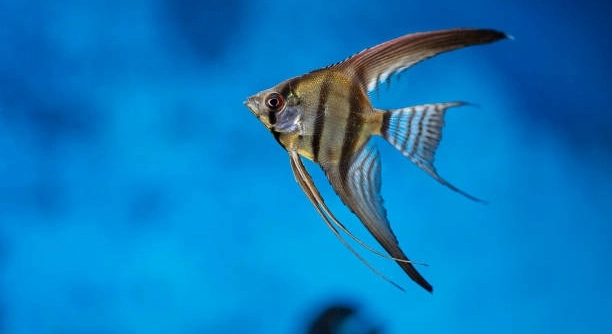
Angelfish are a beautiful addition to any aquarium, but they can be prone to a common problem—fin rot. This condition can affect their health and appearance, causing concern for aquarium owners. It’s important to know how to prevent it.
Fin rot in angelfish is often caused by poor water quality, stress, and bacterial infections. To prevent it, maintaining a clean tank, managing stress levels, and ensuring proper water parameters are essential for keeping your angelfish healthy.
By following simple guidelines, you can help your angelfish thrive and avoid fin rot. We’ll cover easy steps to protect your fish and keep them looking their best.
1. Keep Your Tank Clean
One of the most important steps in preventing fin rot in angelfish is maintaining clean water in the aquarium. Angelfish are particularly sensitive to poor water quality, which can lead to infections that cause fin rot. Regular water changes are essential. At least 25% of the water should be changed every week. Use a good filtration system to keep the tank free of debris, waste, and harmful bacteria. Additionally, remove any uneaten food to prevent it from decaying in the tank. If left unchecked, these factors can contribute to the spread of bacteria that cause fin rot.
Regular cleaning helps prevent harmful bacteria and other waterborne pathogens. In addition, it maintains the right levels of oxygen in the water, which is crucial for the health of your fish.
To keep your tank in top condition, test the water regularly for ammonia, nitrites, and nitrates. Keep these levels within a safe range. This simple step will reduce stress on your angelfish and lower the chances of fin rot developing.
2. Maintain Proper Water Temperature
Angelfish are sensitive to extreme temperature fluctuations. When the water temperature is too high or too low, it can weaken their immune system, making them more susceptible to infections, including fin rot. Ideally, the water temperature should be maintained between 76°F and 82°F (24°C and 28°C).
Ensure your aquarium has a reliable heater to keep the temperature stable. Frequent changes in temperature can cause stress and compromise your angelfish’s ability to fight off harmful bacteria. Using a thermometer to monitor the water temperature is a great way to ensure consistency.
A steady temperature helps regulate your angelfish’s metabolism and immune response. Fish that are kept in warmer, stable environments generally have stronger defenses against illness. Regularly check your heater’s functionality to avoid sudden drops or spikes in temperature. This is a simple way to protect your fish and prevent stress.
3. Avoid Overcrowding the Tank
Overcrowding can stress your angelfish and make them more vulnerable to diseases, including fin rot. When there’s not enough space, fish can fight or become stressed, leading to weakened immune systems. Ensure your tank has enough room for each fish to swim freely.
A well-stocked aquarium allows your angelfish to feel secure and reduces the chance of fighting. It also helps ensure that each fish has access to adequate food, which promotes overall health. If you have multiple fish, make sure your tank size is appropriate for the number of inhabitants.
Stressed fish are more prone to infections and injuries, which can cause fin rot. Avoid overcrowding by calculating the right fish-to-tank ratio. For example, a 20-gallon tank should have no more than five adult angelfish. This will help maintain the water quality and keep your fish happy.
4. Feed Your Angelfish a Balanced Diet
A nutritious, balanced diet is essential for keeping angelfish healthy. Feeding them high-quality fish food will help build their immune system and prevent issues like fin rot. Include a mix of flakes, pellets, and occasional live or frozen food.
Providing variety ensures they get a wide range of nutrients, which supports their overall well-being. Be mindful of feeding the right amount to avoid excess waste in the tank. Overfeeding can lead to poor water quality, which increases the risk of fin rot. Adjust portions based on the number of fish and the size of your tank.
Proper nutrition also supports natural healing if an infection occurs. Healthy, well-fed fish are more likely to recover from minor injuries or illnesses faster. Include vitamin-rich food to strengthen your angelfish’s immune system.
5. Reduce Stress in Your Angelfish
Stress is a major factor in the development of fin rot. When angelfish are stressed, their immune system weakens, making them more vulnerable to infections. Minimize stress by providing hiding spots and plants in the tank, and ensure the tank is in a quiet location away from sudden disturbances.
Avoid any changes in the tank environment, such as moving decorations or adding new fish too frequently. Constant changes can create stress and upset the balance. Your fish will feel safer and more comfortable when they can hide and have a predictable environment.
Stress can cause physical damage to the fish, which might lead to open wounds or infection. Keeping the tank peaceful helps your angelfish stay healthy and reduces the chances of fin rot.
6. Quarantine New Fish
Quarantining new fish before adding them to your main tank is essential. This helps prevent the spread of diseases like fin rot. Place new fish in a separate tank for at least two weeks to monitor for any signs of illness before introducing them to your established aquarium.
By keeping new fish isolated, you protect your existing fish from possible infections. If the new fish show signs of illness, such as cloudy fins or loss of appetite, they can be treated without risking the health of your other fish. Always use separate equipment for quarantined fish to avoid cross-contamination.
Quarantine is a simple but effective method to ensure that your angelfish and other tank mates remain healthy, preventing diseases from entering your aquarium.
7. Regularly Check for Early Signs of Fin Rot
Fin rot may begin subtly with slight discoloration or ragged edges on the fins. By inspecting your angelfish regularly, you can catch any issues early and take action before it spreads. Early detection can make treatment easier and more effective.
If you notice any signs of damage, such as the fins turning black or fraying, take immediate steps to address the issue. Remove any sick fish and treat them with appropriate medications. Ensure the water quality is optimal, and consider using salt to aid in the healing process. Regular checks can prevent small problems from turning into major ones.
FAQ
What causes fin rot in angelfish?
Fin rot is typically caused by poor water quality, stress, or bacterial infections. If the tank isn’t cleaned regularly or if the water isn’t properly filtered, harmful bacteria can thrive, leading to infections that damage the fins of your angelfish. Stressful conditions, such as overcrowding or sudden temperature changes, can also weaken their immune system, making them more prone to diseases like fin rot. Keeping your tank clean and maintaining stable conditions will help prevent this issue.
How do I treat fin rot in angelfish?
Treatment for fin rot involves addressing the root cause. Start by improving the water quality, performing frequent water changes, and ensuring the tank’s temperature and pH levels are stable. You can use aquarium salt or special antibacterial treatments designed to combat fin rot. In more severe cases, separate the affected fish into a quarantine tank and treat them with medications that target bacterial infections. Early intervention is key to a successful recovery.
Can fin rot spread to other fish?
Yes, fin rot is contagious, especially if caused by bacterial infections. If you notice any fish showing signs of fin rot, it’s important to quarantine them immediately to prevent it from spreading to healthy tank mates. Disinfect any equipment used in the quarantine tank, and make sure you clean the main tank thoroughly to remove any harmful bacteria. Keeping a close eye on the other fish will help you catch early signs of infection and treat it quickly.
How can I prevent fin rot from happening again?
To prevent fin rot, you need to maintain a stable, clean environment. Regularly change the water, monitor the tank’s temperature, and avoid overcrowding. Ensure that your fish are not stressed by providing enough space, hiding spots, and a consistent feeding routine. Avoid introducing new fish without quarantining them first, as new fish can bring infections into your tank. Healthy, happy angelfish are less likely to develop fin rot, so take care of their overall well-being to reduce the risk.
What are the signs that my angelfish has fin rot?
Early signs of fin rot include discolored, frayed, or ragged fins. The affected fins may appear black or have white spots on them, and they may gradually deteriorate over time. If left untreated, the infection can spread to the body and cause significant damage. Pay close attention to the behavior of your fish as well. If they become lethargic, stop eating, or start swimming erratically, it could indicate an underlying health issue such as fin rot.
Should I isolate a fish with fin rot from the rest of the tank?
Yes, it’s a good idea to isolate any fish showing signs of fin rot. By placing the affected fish in a quarantine tank, you can treat it without risking the health of the other fish. Additionally, isolating the fish helps reduce stress and gives it the best chance of recovery. Make sure to clean and disinfect the quarantine tank before and after use to prevent cross-contamination. Also, monitor the rest of the fish for any signs of illness.
Can fin rot be caused by injury?
Yes, injuries can sometimes lead to fin rot, especially if the wound becomes infected. Angelfish are prone to fin damage from fighting or getting caught in decorations. Once the skin is broken, bacteria can enter the wound and cause an infection. If your fish has a visible injury, clean the water and treat the area with an antibacterial solution to prevent infection. In some cases, the injury can heal naturally if the fish is in a stress-free, clean environment.
How long does it take for fin rot to heal?
The healing time for fin rot depends on the severity of the infection and how quickly you treat it. With early intervention, mild cases may take a couple of weeks to heal, while more severe infections can take longer. Providing optimal water conditions, a nutritious diet, and appropriate treatments can help speed up recovery. Keep monitoring your fish during this period to ensure there are no complications and that the healing process is progressing.
Can I prevent fin rot in my angelfish without using medications?
Yes, while medications can be helpful, maintaining excellent water quality and a stress-free environment is the most effective way to prevent fin rot. Keeping the tank clean, maintaining stable water parameters, and ensuring the fish are fed a nutritious diet will go a long way in preventing infections. If you notice any early signs of fin rot, aquarium salt and proper care may help treat it without the need for antibiotics. However, in severe cases, medication might still be necessary.
Is it safe to use aquarium salt to treat fin rot?
Yes, aquarium salt is often used to treat mild cases of fin rot and can help reduce stress and promote healing. It works by reducing the bacteria in the water and aiding the healing process. However, be careful not to add too much salt, as it can harm your fish. Always follow the instructions on the salt packaging and monitor your fish closely for any signs of distress. If your fish shows adverse reactions, stop using the salt immediately and perform a water change.
Final Thoughts
Fin rot is a common issue that many aquarium owners face, but with the right care and attention, it’s something you can manage effectively. The key to preventing fin rot in your angelfish lies in maintaining clean, stable water conditions. Regular water changes, proper filtration, and maintaining the right temperature are essential steps. Stress can also play a major role in the development of fin rot, so making sure your fish feel secure and comfortable in their environment will go a long way. Overcrowding and sudden changes to the tank setup can cause unnecessary stress, so it’s important to keep these factors in check.
A balanced diet is just as crucial for preventing fin rot. By feeding your angelfish a variety of high-quality foods, you help support their immune system and overall health. This makes them more resistant to infections, including fin rot. Providing a good mix of flakes, pellets, and occasional live or frozen foods ensures they get the right nutrients. It’s also important to monitor how much you feed them to avoid overfeeding, which can lead to water quality problems. Proper nutrition is a simple but powerful tool for keeping your angelfish healthy.
If you do notice the early signs of fin rot, such as frayed or discolored fins, it’s important to act quickly. Treating fin rot early can prevent it from spreading and causing permanent damage to your fish. Simple treatments like aquarium salt, improving water quality, and separating sick fish into a quarantine tank can help in most cases. The earlier you catch it, the better chance your angelfish has for a full recovery. By staying on top of these maintenance tasks and monitoring your fish regularly, you can prevent fin rot and ensure that your angelfish stay healthy and vibrant for years to come.

Hello,
If you enjoy the content that we create, please consider saying a "Thank You!" by leaving a tip.
Every little bit helps us continue crafting quality advice that supports the health, happiness, and well-being of pets around the world, for pets of all shapes, sizes, and species.
We really appreciate the kindness and support that you show us!