
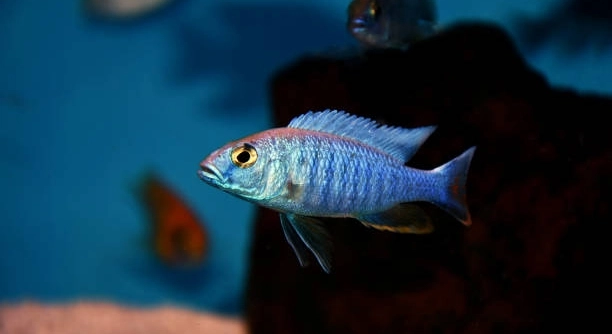
Many cichlid owners notice fin nipping can be a frustrating problem. This behavior can cause stress and damage to these colorful fish. Preventing fin nipping helps keep your aquarium peaceful and your fish healthy.
Fin nipping in cichlids often results from stress, overcrowding, or incompatible tank mates. Providing enough space, proper hiding spots, and selecting compatible species reduces aggression and helps maintain fin integrity. Monitoring water quality and diet also plays a key role.
Learning effective prevention techniques can improve your cichlids’ well-being and create a calmer aquarium environment for everyone.
Provide Enough Space in the Tank
Cichlids need plenty of room to swim and establish territories. When tanks are too small, fish feel crowded and stressed, which often leads to fin nipping. A spacious tank reduces competition and allows each fish to have its own area. It is important to follow recommended tank sizes based on the number and species of cichlids you keep. Overcrowding can also make it harder to maintain water quality, further stressing the fish. Adding plenty of plants, rocks, and hiding spots helps break up the space and gives cichlids places to retreat. This can lower aggression and protect their fins from damage. Regular tank maintenance is also essential to keep the environment clean and comfortable.
Enough swimming space helps cichlids stay calm and reduces the chances of aggressive behavior, including fin nipping.
Giving your cichlids a well-planned and roomy environment is one of the simplest and most effective ways to keep them healthy. The combination of tank size, décor, and clean water creates balance and peace in the aquarium. When fish have enough space, they are less likely to feel threatened and less likely to nip each other’s fins.
Choose Compatible Tank Mates Carefully
Choosing fish that get along well with your cichlids is key to preventing fin nipping. Avoid pairing overly aggressive or very small, timid fish with cichlids. Aggressive fish can provoke fights, while very small fish may become targets. Researching the behavior and temperament of potential tank mates can save a lot of trouble. When fish share similar temperaments and space needs, the chance of conflict decreases.
Adding new fish slowly and watching their behavior helps spot problems early. You can separate or remove fish if aggression starts. This careful selection and monitoring improve harmony in your tank, protecting fins and reducing stress among all your fish.
Maintain Good Water Quality
Poor water quality stresses cichlids and makes them more likely to nip fins. Regular water changes and testing keep water parameters stable. Removing waste and uneaten food reduces harmful toxins.
Keeping water clean means monitoring ammonia, nitrite, and nitrate levels. Sudden changes or poor conditions cause discomfort and increase aggression. Using a good filtration system supports a healthy environment, helping fish stay calm. Proper water temperature and pH levels should also be maintained to suit your cichlid species. Clean water helps your fish feel secure and lowers the chance of fin nipping.
Consistent care is key to maintaining water quality. A schedule for cleaning, water changes, and testing helps prevent problems before they start. Avoid overcrowding to reduce waste buildup. Providing a healthy habitat encourages peaceful behavior and reduces stress-related fin damage.
Feed a Balanced Diet
Feeding your cichlids a balanced diet is important for their health and behavior. Poor nutrition can make them irritable and prone to fin nipping.
A mix of high-quality pellets, flakes, and occasional live or frozen foods offers necessary vitamins and proteins. Avoid overfeeding, which pollutes water and causes health issues. Feeding small amounts two to three times a day keeps fish satisfied and less aggressive.
Proper nutrition supports immune health, which helps your fish recover quickly if they do get nipped. A well-fed cichlid is more likely to show calm behavior. Consistency in diet prevents hunger-driven aggression and keeps your aquarium peaceful.
Monitor Fish Behavior Regularly
Watching your cichlids closely helps catch signs of fin nipping early. Noticing aggressive behavior can prevent injuries before they get worse.
Spotting bullying or chasing allows you to intervene quickly. Sometimes rearranging tank décor or separating aggressive fish is necessary. Early action protects fins and reduces stress for all fish.
Provide Plenty of Hiding Spots
Hiding places give cichlids a safe retreat when they feel threatened. Rocks, caves, and plants help break line of sight and reduce tension.
Without enough hiding spots, fish become stressed and more likely to nip fins. Creating multiple shelters helps maintain peace by giving each fish space to escape conflicts.
Avoid Overcrowding
Too many fish in one tank leads to stress and fighting. Overcrowding increases competition for space and resources, causing fin nipping.
Maintaining proper stocking levels gives each cichlid room to swim and establish territory. This simple step reduces aggression and keeps fins intact.
FAQ
What causes fin nipping in cichlids?
Fin nipping happens mostly because of stress, overcrowding, or incompatible tank mates. When fish feel crowded or threatened, they can become aggressive and nip at each other’s fins. Poor water quality and lack of hiding spots can also increase stress levels, leading to this behavior. Sometimes, fin nipping is part of establishing territory or dominance within the tank.
How can I tell if fin nipping is a serious problem?
If you see small tears or ragged edges on your cichlids’ fins, fin nipping is likely happening. Look for redness or inflammation around the fins, which could mean infections. When fin damage is frequent or severe, fish become stressed and their health can decline. Keeping a close eye on their behavior and appearance helps catch problems early.
Can fin nipping heal on its own?
Yes, fin damage can heal if the environment is calm and clean. Healthy water conditions and low stress levels are important for recovery. Sometimes fish nip each other less when the tank is properly set up with enough space and hiding places. However, if the behavior continues, healing may be slow or fins can get worse.
Should I separate fish that nip fins?
Separating aggressive fish is often the best way to stop fin nipping. If one fish is repeatedly attacking others, moving it to another tank can protect the victims. Temporary separation can calm the situation and allow injured fins to heal. Observing how fish behave when apart also helps decide if they can live together peacefully again.
What tank size is best to prevent fin nipping?
A larger tank reduces competition and stress among cichlids. The size depends on how many fish you keep and their species. As a general rule, a minimum of 30 gallons is good for a few small cichlids, but bigger tanks are better for more fish or larger species. Providing plenty of space helps reduce aggressive behavior.
How often should I clean the tank to reduce fin nipping?
Regular cleaning and water changes are important. Changing 20-30% of the water weekly keeps toxins low and fish healthy. Testing water quality regularly for ammonia, nitrite, and nitrate ensures the environment is stable. Clean tanks help reduce stress, which lowers the chance of fin nipping.
Can diet affect fin nipping behavior?
Yes, a poor diet can make fish more aggressive or weak. Feeding a balanced diet with quality pellets, flakes, and occasional live or frozen foods supports health and reduces irritation. Overfeeding should be avoided, as leftover food pollutes the water and causes problems.
Are some cichlid species more prone to fin nipping?
Yes, some cichlids are naturally more aggressive, like certain African cichlids. Others tend to be more peaceful. Knowing the species’ temperament helps in planning tank mates and setup. Mixing very aggressive and very shy species often causes fin nipping.
How do hiding spots help with fin nipping?
Hiding spots reduce stress by giving fish places to escape threats. When fish feel safe, they are less likely to nip fins. Rocks, caves, and plants create natural barriers and break up line of sight, which lowers tension in the tank.
Can adding new fish cause fin nipping?
Introducing new fish can trigger aggression as territory is challenged. Adding fish slowly and watching their behavior helps prevent problems. Quarantining new fish before adding them reduces the risk of spreading disease, which can also make fin damage worse.
What signs show fin nipping is caused by illness?
If fin damage is accompanied by white spots, fungus, or swelling, illness might be involved. Stress from fin nipping can lower immunity, making fish more vulnerable. Treating water quality and possible infections quickly supports recovery.
Is fin nipping worse during breeding?
Yes, cichlids can become more aggressive while breeding. Males may defend nests or mates aggressively, leading to fin nipping. Providing extra space and hiding spots during this time can help reduce fights.
Can behavior change after fixing tank conditions?
Often, yes. Improving tank size, water quality, diet, and décor reduces stress and aggression. Fish may become calmer and stop nipping fins when their environment meets their needs. Patience is important because behavior changes can take time.
Are there products to stop fin nipping?
No specific products cure fin nipping behavior. The best approach is to address causes like space, tank mates, water quality, and diet. Using medications only helps if fin damage is infected. Prevention through good care is the most effective method.
How can I help fins heal faster?
Keeping water clean, maintaining stable conditions, and avoiding stress help fins heal quickly. Adding aquarium salt (in recommended doses) can support healing and reduce infections. Avoid handling fish during recovery, and separate aggressive tank mates if needed.
What if fin nipping keeps happening despite my efforts?
If fin nipping persists, consider reassessing tank setup and fish selection. Sometimes, changing tank mates or increasing tank size is necessary. Consulting an experienced aquarist or vet can provide tailored advice for difficult cases.
Fin nipping in cichlids can be frustrating, but it is usually preventable with the right care and attention. Understanding the causes—such as stress, overcrowding, or incompatible tank mates—helps in creating a better environment for your fish. Taking steps like providing enough space, maintaining clean water, and choosing compatible species are key to keeping fin nipping under control. These actions not only protect your cichlids’ fins but also promote their overall health and well-being.
Creating a peaceful aquarium requires regular monitoring and care. Watching your fish closely allows you to notice early signs of aggression or fin damage. When problems arise, small adjustments like rearranging decorations or separating aggressive fish can make a big difference. Feeding a balanced diet and ensuring plenty of hiding spots also support calm behavior. A well-maintained tank with stable water conditions reduces stress, which is often the root cause of fin nipping. When fish feel secure and comfortable, they are less likely to act out aggressively.
Preventing fin nipping is a combination of careful planning and ongoing effort. It may take some time to find the right balance of tank size, species mix, and habitat features that work best for your cichlids. Patience is important because fish behavior changes gradually. By providing a clean, spacious, and well-organized aquarium, you can help your cichlids live peacefully together. This improves their health and makes caring for them a more rewarding experience.

Hello,
If you enjoy the content that we create, please consider saying a "Thank You!" by leaving a tip.
Every little bit helps us continue crafting quality advice that supports the health, happiness, and well-being of pets around the world, for pets of all shapes, sizes, and species.
We really appreciate the kindness and support that you show us!