
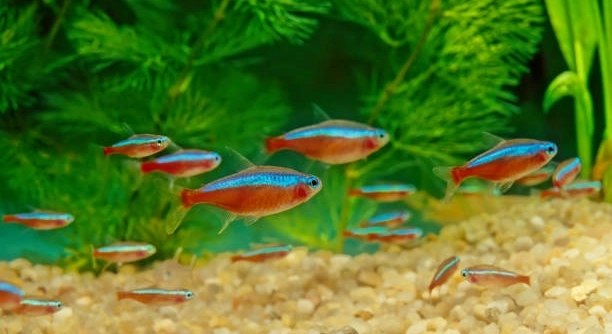
Are your neon tetras looking a bit off lately, or have you been worried about keeping them healthy in your aquarium? This guide will help you understand simple ways to prevent diseases in these delicate fish.
The best way to prevent diseases in neon tetras is by maintaining clean water, providing a balanced diet, avoiding overcrowding, and quarantining new fish. Stable water parameters and minimal stress also play key roles in keeping them healthy.
Learning these tips can help your neon tetras live longer, healthier lives. You’ll feel more confident about their care and overall wellbeing.
Keep the Tank Clean and Stable
A clean tank is one of the most important steps to protect neon tetras from disease. Regular maintenance keeps harmful bacteria and toxins from building up. Start with partial water changes every week, replacing 25–30% of the water with fresh, treated water. Make sure your filter is working well and rinse it in tank water to avoid killing helpful bacteria. Monitor ammonia, nitrite, and nitrate levels using a test kit. Avoid using soap when cleaning tank decorations or equipment. Stability matters, so keep the water temperature between 72–78°F and avoid sudden changes. Use a heater with a thermostat for accuracy. Keep an eye on algae growth, uneaten food, and waste. These small actions make a big difference. Healthy water means healthy fish.
Clean water helps fish fight stress and disease naturally. It supports their immune systems and makes their colors more vibrant and behavior more active.
Stick to a regular cleaning schedule so your neon tetras stay safe. Try setting reminders or keeping a journal to log water changes. This habit helps prevent common mistakes, like forgetting how long it has been since your last tank check. Small steps like these can go a long way.
Avoid Overcrowding the Aquarium
Too many fish in one tank leads to stress and disease. Neon tetras need space to swim and breathe comfortably.
Overcrowding affects both water quality and fish behavior. Waste builds up faster, leading to poor water conditions even with regular cleaning. The filter might not keep up, and oxygen levels can drop. Neon tetras also feel stressed in crowded tanks, making them more likely to get sick. They prefer being in groups of at least six, but a 10-gallon tank is the minimum for that. For larger groups, aim for more space. When adding new fish, be sure the tank is large enough to support the increase. Use the one-inch-per-gallon rule cautiously, considering each fish’s needs. Overcrowding also causes aggressive behavior in some fish species, which can harm neon tetras. If you see signs of stress like erratic swimming or hiding, consider removing a few fish. A peaceful, spacious environment supports better health for your tetras.
Quarantine New Fish Before Adding Them
New fish can carry bacteria or parasites that may infect the rest of your tank. A quarantine tank gives you time to observe their behavior, treat any signs of illness, and keep your main tank safe.
Keep new fish in a separate quarantine tank for at least two weeks. During this time, watch closely for symptoms like white spots, fin damage, or unusual swimming. Use a sponge filter and heater to match the main tank’s temperature. Feed them well and keep the water clean. If you notice illness, treat them right away with the proper medication. Never skip this step—even fish from reputable stores can carry invisible issues. Once they look healthy and active, you can safely introduce them to your main aquarium. This simple process prevents infections from spreading and helps protect the fish already living in your tank.
A quarantine tank doesn’t need to be fancy or large. A small, 5- to 10-gallon tank with a heater and filter will work. Use minimal decorations so it’s easy to observe the fish. After the quarantine period ends, clean the tank thoroughly before using it again. Even one sick fish can cause problems, so take this step seriously every time you add new fish.
Feed a Balanced Diet
Poor nutrition weakens neon tetras, making them more vulnerable to disease. A varied, high-quality diet strengthens their immune systems and supports healthy growth, bright colors, and natural behavior. Avoid feeding only one type of food every day.
Use a mix of high-quality flakes, micro pellets, and frozen or live foods like brine shrimp and daphnia. Feed small amounts once or twice a day and remove any uneaten food to keep the water clean. Overfeeding can lead to bloating and dirty water, both of which increase the risk of disease. Try rotating food types throughout the week to make sure they get all the nutrients they need. Some food brands also offer vitamin-enriched options that support immune health. A healthy diet helps your neon tetras stay active and stress-free. Strong, well-fed fish are more resistant to illness and show brighter, more vibrant colors in your aquarium.
Reduce Stress in the Tank
Stress lowers a neon tetra’s ability to fight off infections. Avoid sudden temperature shifts, loud noises, or placing the tank in high-traffic areas. Keep lighting consistent and make sure they have enough plants or hiding spots to feel safe.
Avoid chasing the fish with a net or tapping the glass. These actions can scare them and increase stress levels. If you need to catch them, move slowly and use a soft net. A calm environment helps your tetras stay relaxed and healthy.
Monitor for Early Signs of Illness
Watch for signs like faded color, clamped fins, loss of appetite, or odd swimming. Early detection helps stop disease from spreading. Isolate sick fish in a separate tank and start treatment right away. Keeping a journal of behavior changes can help track symptoms and notice patterns. Frequent visual checks during feeding times make this easier. If something feels off, act quickly—waiting too long can lead to more issues for the entire tank. Even subtle changes can signal a problem. Trust your observations and take action before it worsens. Early care saves time, stress, and sometimes the fish’s life.
Maintain Consistent Water Temperature
Temperature swings can weaken your neon tetras’ immune systems. Use a reliable heater and thermometer to keep the water between 72–78°F. Check the temperature daily and avoid placing the tank near windows, vents, or heaters.
FAQ
What are the most common diseases that affect neon tetras?
Neon tetras are susceptible to a few common diseases, including ich, fin rot, and neon tetra disease. Ich is a parasitic infection that causes white spots on the body and fins. Fin rot often results from poor water quality and causes fraying or decay of fins. Neon tetra disease is a viral illness that leads to lesions, darkening of the body, and eventual death. Early detection is key for treatment, as each condition requires different care. Quarantining affected fish and using appropriate medications can prevent the spread to healthy fish.
How can I prevent ich in my neon tetras?
To prevent ich, maintain a clean tank with stable water conditions. Avoid introducing stressed or sick fish into the tank, as they may carry the parasite. Quarantine new fish for at least two weeks before introducing them to your main tank. Keeping the water temperature stable and avoiding drastic changes in temperature will help reduce the risk of ich outbreaks. If you notice white spots on your tetras, act quickly and treat the tank with an ich medication.
Why is my neon tetra swimming erratically?
Erratic swimming can be a sign of stress, illness, or water quality problems. First, check your water parameters—ammonia, nitrites, and nitrates should be at safe levels, and the temperature should be stable. Poor water conditions can cause disorientation and erratic behavior. If the water quality is fine, the cause may be stress due to overcrowding, aggressive tank mates, or sudden changes in lighting or temperature. If the problem persists, check for signs of illness, such as faded colors or clamped fins.
Can neon tetras live with other species of fish?
Yes, neon tetras are peaceful fish and can live with other species, as long as they are not aggressive. Choose community fish that are similar in size and temperament. Good tank mates for neon tetras include other small, non-aggressive species like Corydoras catfish, guppies, and certain species of shrimp. Avoid large, predatory fish or species known for fin-nipping, as these may stress or harm your neon tetras.
How often should I feed my neon tetras?
Feed your neon tetras small amounts once or twice a day. Overfeeding can lead to water pollution and health issues. Only offer what they can eat within a few minutes. Remove any uneaten food after each feeding to maintain water quality. A balanced diet, including flakes, pellets, and occasional live or frozen food, will keep your tetras healthy. Try varying the food to ensure they get all the necessary nutrients.
What water conditions are best for neon tetras?
Neon tetras thrive in slightly acidic to neutral water with a pH range of 6.0 to 7.5. They prefer soft water with low mineral content. Maintaining the right temperature is essential—keep it between 72–78°F. Perform regular water changes to keep the tank clean and ensure proper filtration to remove waste. Consistency in these conditions helps prevent stress and illness.
How can I tell if my neon tetra is stressed?
Stressed neon tetras may display signs like faded colors, clamped fins, erratic swimming, or hiding. Stress can be caused by poor water quality, overcrowding, aggressive tank mates, or sudden environmental changes. If you notice these symptoms, check the water conditions and try to identify any stressors. Reducing stress levels can improve your tetras’ health and behavior.
Why is my neon tetra’s color fading?
Color fading can be a sign of stress, poor diet, or disease. If your neon tetra is not eating well or living in suboptimal water conditions, it may lose its vibrant color. Stress factors such as aggression from other fish or environmental changes can also cause this. Ensure your tetras are receiving a balanced diet and living in a peaceful environment with stable water conditions. Fading color may also be a sign of illness, so monitor for other symptoms.
How can I treat fin rot in neon tetras?
Fin rot is typically caused by poor water quality or bacterial infections. To treat it, start by improving water conditions with regular water changes and better filtration. Isolate the affected fish in a quarantine tank to prevent the spread of bacteria. Use an appropriate antibiotic treatment to combat the infection. Keeping the tank clean and ensuring proper water parameters can help prevent further issues. A balanced diet will also support the healing process.
What are the signs of neon tetra disease?
Neon tetra disease is caused by a parasite that affects the fish’s nervous system and skin. Early signs include loss of color, darkening of the body, and lesions on the skin. Affected fish may also exhibit unusual swimming behavior or have trouble swimming. Once symptoms appear, the disease is often fatal, and the affected fish should be removed from the tank immediately to prevent spread. Unfortunately, there is no cure for neon tetra disease, so it’s important to maintain good water quality to prevent outbreaks.
Can neon tetras live in brackish water?
Neon tetras are freshwater fish and do not thrive in brackish water. They need soft, slightly acidic water to stay healthy. Introducing salt or brackish conditions can stress them out and lead to health problems. Stick to freshwater conditions for your neon tetras to ensure they live a long and healthy life.
How can I improve the lifespan of my neon tetras?
The lifespan of neon tetras can be extended by providing a clean tank with stable water conditions, a balanced diet, and a stress-free environment. Regular water changes, proper filtration, and quarantine procedures for new fish are all essential for maintaining their health. Keep the tank at a consistent temperature and avoid overcrowding. By taking these steps, you can help your neon tetras live a longer and healthier life.
Can I use salt in my neon tetra tank?
Generally, salt is not necessary for neon tetras, and it can actually harm them. They are sensitive to salt, and adding it can cause stress and damage to their skin. Some aquarium salt is used to treat specific diseases, but it’s important to follow instructions carefully and only use it if absolutely needed. In most cases, maintaining clean water and good care is enough for healthy neon tetras.
Final Thoughts
Neon tetras are beautiful and delicate fish that require attention to detail for their care. By focusing on water quality, temperature control, and a balanced diet, you can help ensure your neon tetras stay healthy and vibrant. Monitoring for early signs of illness, maintaining a peaceful environment, and preventing stress are crucial steps in keeping them thriving. Taking time to observe their behavior and making adjustments when necessary will go a long way in maintaining a healthy tank.
Prevention is key when it comes to neon tetra diseases. Regular water changes, proper filtration, and the careful introduction of new fish can prevent many common problems. It’s important to address any issues as soon as they arise, whether it’s adjusting the water parameters, removing sick fish, or treating for infections. This proactive approach helps prevent the spread of diseases and ensures the long-term well-being of your neon tetras.
Caring for neon tetras is a rewarding experience, and with the right practices in place, they can live a long and healthy life. Providing a stable and stress-free environment, combined with good nutrition and regular tank maintenance, is essential. As with any pet, patience and attention to detail are important. With these steps in mind, your neon tetras will have the best chance to thrive, and you will enjoy their colorful presence in your tank for years to come.

Hello,
If you enjoy the content that we create, please consider saying a "Thank You!" by leaving a tip.
Every little bit helps us continue crafting quality advice that supports the health, happiness, and well-being of pets around the world, for pets of all shapes, sizes, and species.
We really appreciate the kindness and support that you show us!