
Are your rainbow sharks showing signs of stress or illness, leaving you unsure how to keep them healthy in their tank environment?
The best way to prevent disease in a rainbow shark tank is by maintaining proper water quality, providing a balanced diet, avoiding overcrowding, and quarantining new fish. Consistent care and early detection are key to long-term health.
These simple changes can make a real difference in preventing common issues and keeping your rainbow shark active, colorful, and thriving.
Maintain Clean Water Conditions
Clean water is one of the most important factors in keeping rainbow sharks healthy. Poor water quality stresses fish, weakens their immune systems, and makes them more likely to get sick. Use a reliable water test kit to monitor ammonia, nitrite, nitrate, and pH levels weekly. Perform regular partial water changes—20 to 25% of the tank volume every week. Clean the gravel with a siphon to remove waste buildup. Always treat tap water with a water conditioner before adding it to the tank. Avoid overfeeding, as uneaten food can pollute the water quickly. Ensure your filter is working well and clean it monthly without disrupting the beneficial bacteria. Good circulation and stable temperature around 75–80°F also help keep your fish calm and comfortable. With consistent care, you’ll create a clean, stable environment that helps prevent disease and reduces the need for medications or treatments down the line.
Avoid sudden water changes or large temperature shifts, as rainbow sharks react poorly to unstable conditions and may develop stress-related illnesses.
A clean tank does more than look good—it protects your fish by keeping harmful bacteria and parasites under control. It sets the foundation for overall health.
Quarantine New Additions
New fish can introduce parasites and bacteria that spread quickly in a shared tank. Quarantining new fish helps stop problems before they start.
Set up a small quarantine tank with similar water conditions to your main tank. Keep new fish there for at least two weeks before introducing them. Watch for signs of illness like discoloration, clamped fins, or erratic swimming. During this time, feed lightly and avoid sudden water changes. If any issues appear, treat them in the quarantine tank instead of exposing your entire setup. Even if the fish looks healthy, it could still carry invisible issues. Use separate equipment—nets, siphons, and buckets—for the quarantine tank to prevent cross-contamination. After the two-week period, if the fish remains healthy and shows no symptoms, it’s usually safe to add it to your rainbow shark tank. This step might take a little extra time, but it can save you from major trouble later.
Avoid Overcrowding the Tank
Rainbow sharks need space to swim and establish their territory. Overcrowding leads to stress, aggression, and a higher chance of disease due to poor water quality and increased waste. Keep just one rainbow shark per tank to avoid territorial disputes.
A single rainbow shark should have at least a 55-gallon tank to itself. If you plan to keep other fish, choose peaceful bottom-dwellers or mid-level swimmers that won’t challenge its space. Avoid placing multiple rainbow sharks or other semi-aggressive fish in the same tank, as they tend to become territorial and may attack each other. Too many fish also means more waste and faster ammonia buildup, which weakens your shark’s immune system. Plan your stocking carefully and monitor behavior closely, especially during the first few weeks. Giving your rainbow shark enough room reduces stress and makes it less likely to act aggressively or show signs of illness.
When fish feel cramped, they become more aggressive, which leads to injuries, torn fins, and higher susceptibility to infections. Injured fish can also become targets for bacteria and parasites. Extra stress also weakens their immune system, making them more vulnerable. Preventing overcrowding not only protects their health—it also creates a calmer tank environment overall.
Offer a Balanced Diet
Feeding rainbow sharks a balanced diet helps build a strong immune system and prevents deficiencies that can lead to illness. They need a mix of proteins and plant-based foods to thrive. Don’t rely on just flakes or pellets alone.
Use high-quality sinking pellets as the base, and supplement with fresh vegetables like blanched zucchini or peas. You can also offer occasional protein-rich treats like bloodworms or brine shrimp. Feed small portions once or twice a day and remove uneaten food within a few minutes to avoid dirtying the tank. Too much food leads to obesity and water issues, both of which can cause disease. Rotate food types throughout the week to ensure variety and better nutrition. Avoid feeding the same thing every day, as that can lead to gaps in their diet. A healthy mix supports their color, energy, and resilience against common infections like fin rot or fungal growth.
Reduce Stress in the Tank
Stress weakens your rainbow shark’s immune system, making it easier for diseases to take hold. Avoid loud noises near the tank, keep lighting consistent, and maintain a steady temperature to help them feel safe and comfortable every day.
Limit unnecessary changes in their environment. Rearranging decorations or changing tankmates too often can cause anxiety and aggressive behavior. Give them stable surroundings and places to hide when they need to rest or retreat.
Choose Tank Mates Wisely
Rainbow sharks can be territorial and may not get along with certain fish. Avoid other aggressive or bottom-dwelling species. Choose peaceful, mid-level swimmers like barbs or danios that don’t compete for space. Never pair them with other rainbow sharks or similar-looking species, as this often leads to fights. Give tank mates plenty of space and hiding spots to avoid stress and injuries. Observe all fish closely for signs of aggression, especially during the first few days after introducing new additions.
Keep Equipment Well-Maintained
A poorly functioning filter or heater can create unsafe conditions fast. Clean equipment regularly and replace worn parts on time to prevent sudden issues. Reliable equipment supports long-term tank stability and fish health.
FAQ
How often should I clean my rainbow shark’s tank?
Partial water changes should be done weekly, replacing about 20–25% of the tank water. This keeps ammonia and nitrate levels under control. Use a gravel vacuum to clean waste buildup from the substrate. You don’t need to break down the entire tank unless there’s a major issue like disease or a sudden spike in ammonia. Filter media should be rinsed in tank water (not tap water) every few weeks to keep beneficial bacteria alive. Keeping a regular schedule helps reduce stress and maintains a clean, safe environment for your rainbow shark.
Can rainbow sharks live with other fish?
Yes, but they need the right tank mates. Rainbow sharks are semi-aggressive and do best with fast, peaceful fish that swim in the mid to upper levels of the tank. Good options include zebra danios, cherry barbs, and rasboras. Avoid slow swimmers, bottom dwellers like cory catfish, and other territorial species. Never house them with other rainbow sharks or red-tailed sharks, as this often leads to aggression. Always introduce new fish carefully and watch for signs of stress or fighting. Giving everyone enough space helps reduce tension and supports a peaceful tank.
What does a healthy rainbow shark look like?
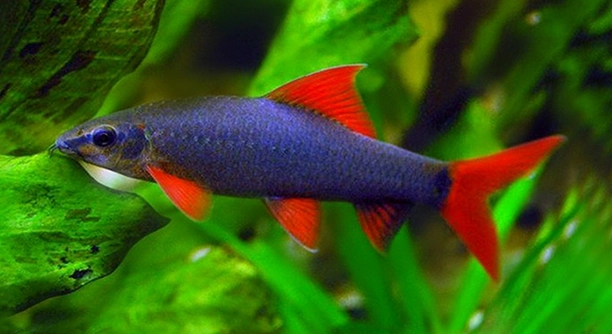
A healthy rainbow shark has bright colors, a smooth body, and active swimming behavior. Its fins should be intact and held open, not clamped or torn. The eyes should be clear, not cloudy. They often rest along the bottom but should still move around the tank regularly, especially during feeding times. Their appetite should remain consistent. Watch for warning signs like white spots, faded color, erratic swimming, or hiding constantly—these may suggest disease or stress. Keeping an eye on small changes helps catch problems early, before they get worse.
Why is my rainbow shark hiding all the time?
Rainbow sharks like having their own space and often claim a hiding spot as their territory. Occasional hiding is normal, especially when they’re resting. However, if they hide all the time, it could mean they’re stressed or sick. Check water quality, tank size, and make sure no tank mates are bullying them. Sudden changes in behavior often point to something wrong in their environment. Providing caves or decorations for shelter helps them feel safe, but they should still be active at least part of the day. Persistent hiding usually means it’s time to investigate further.
Can I feed my rainbow shark vegetables?
Yes, and it’s a good idea. Rainbow sharks are omnivores, so vegetables help balance their diet. Offer blanched zucchini, cucumber slices, or shelled peas. These foods provide fiber and support digestion. Remove any uneaten pieces after a few hours to avoid polluting the tank. Feeding vegetables two or three times a week adds variety and keeps your shark healthy. Combined with high-quality pellets and occasional protein sources, this helps prevent nutritional gaps. Just make sure any veggies are soft and sliced small enough for easy eating.
How do I know if my rainbow shark is sick?
Signs of illness include faded color, clamped fins, loss of appetite, white spots, red streaks on the body, bloating, or erratic swimming. You might also notice them gasping near the surface or isolating themselves more than usual. Monitor water quality first, since many illnesses start with poor conditions. If water parameters look fine, consider quarantining the shark and treating based on symptoms—fungus, parasites, and bacterial infections all show differently. Acting early is the best way to prevent it from spreading or becoming fatal. Keep medication on hand just in case, and always check expiration dates.
Final Thoughts
Caring for a rainbow shark takes more than just feeding and watching it swim. These fish need stable water conditions, enough space, and proper tank mates to stay healthy. They are sensitive to stress, which can lead to illness quickly. By giving them a calm environment and clean water, you reduce their risk of infections and health problems. A consistent care routine is key—regular water tests, partial water changes, and cleaning equipment help prevent issues before they start. Keeping your tank stable is one of the most effective ways to avoid common diseases that affect rainbow sharks.
Every small step you take plays a role in your shark’s overall well-being. Quarantining new fish, avoiding overcrowding, and choosing tank mates carefully all work together to keep your aquarium balanced. Feeding a varied, balanced diet also gives your fish the nutrients it needs to build a strong immune system. These habits may seem simple, but they make a big difference over time. When your rainbow shark is active, alert, and has a healthy appetite, it’s a sign that your efforts are working. Observing behavior closely helps you notice changes early and act before things get worse.
There’s no need to overcomplicate care. With consistency and a little attention to detail, your rainbow shark can thrive in a well-maintained tank. It’s rewarding to see a healthy fish glide through clean water with bright colors and strong energy. Staying on top of tank maintenance, avoiding sudden changes, and respecting your shark’s space helps build a safe, peaceful environment. Disease prevention is not about reacting after a problem starts—it’s about setting up the right conditions from the beginning. When those conditions are in place, both you and your rainbow shark benefit.

Hello,
If you enjoy the content that we create, please consider saying a "Thank You!" by leaving a tip.
Every little bit helps us continue crafting quality advice that supports the health, happiness, and well-being of pets around the world, for pets of all shapes, sizes, and species.
We really appreciate the kindness and support that you show us!