
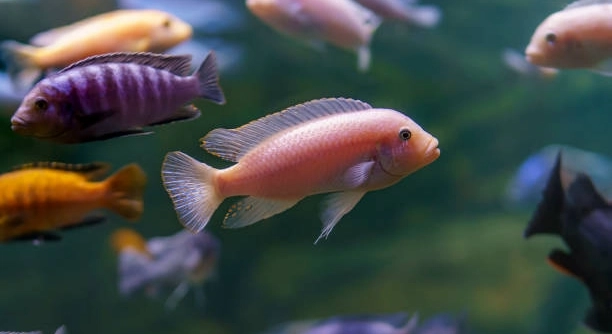
Keeping a cichlid tank healthy requires careful attention and routine care. Many fish owners face challenges when their fish develop illnesses due to overlooked water quality or stress factors. Healthy habits make a big difference.
Preventing disease in cichlid tanks involves maintaining stable water conditions, avoiding overcrowding, feeding a balanced diet, quarantining new fish, cleaning the tank regularly, monitoring fish for early signs of illness, and reducing stress through proper tank setup and care.
These simple practices create a strong foundation for a thriving cichlid community and reduce the chances of unexpected health problems.
Maintain Stable Water Conditions
Water quality is the most important factor in keeping cichlids healthy. I always make sure the tank water stays clean and the parameters are consistent. Sudden changes in temperature, pH, or hardness can stress the fish, making them more vulnerable to diseases. Using a reliable filter and performing regular water changes help keep ammonia and nitrite levels low. I test the water weekly to track these changes, which prevents problems before they start. Over time, maintaining stability has reduced the number of sick fish I have to treat.
Keeping water parameters steady ensures cichlids remain strong and resilient. Fluctuations in temperature, pH, or chemical levels can quickly weaken their immune system and increase disease risk. Regular monitoring and adjustments are essential for long-term health.
I’ve noticed that tanks with stable conditions are much easier to manage. Fish are calmer and feed more consistently, which also improves their growth and coloration. A few simple habits, like partial water changes and monitoring equipment, make a significant difference. Even small tanks benefit from these practices, and it prevents many common infections.
Avoid Overcrowding
Overcrowding adds stress and spreads disease faster. Cichlids need space to swim and establish territories.
Overcrowded tanks can cause aggression and weaken fish immunity, making illnesses more likely. Choosing the right tank size for the number and species of cichlids is essential. I always calculate space per fish carefully and adjust decorations to create hiding spots. Proper stocking prevents competition for food and reduces injuries from fights. Overcrowding not only impacts health but also affects behavior and breeding. Monitoring fish numbers and rearranging the tank when needed keeps the environment balanced.
In my experience, even a slightly overstocked tank can lead to stress-related problems like fin rot or parasite infections. Cichlids are territorial, so giving them enough room avoids unnecessary stress and keeps the dominant fish from harassing others. Adding too many fish also makes water maintenance harder, as more waste leads to higher ammonia and nitrate levels. I always recommend planning the tank size before buying fish, and if needed, upgrading to a larger tank. Observing fish behavior is a good indicator of overcrowding—if constant chasing or hiding occurs, it’s a sign adjustments are needed. Creating a comfortable environment ensures healthier, more active cichlids that display their natural colors and behaviors without stress-related diseases.
Feed a Balanced Diet
Providing a proper diet keeps cichlids strong and lowers disease risk. I always make sure they get a mix of high-quality flakes, pellets, and occasional live or frozen food to meet their nutritional needs.
A varied diet supports immune function and helps fish maintain bright colors and healthy growth. Overfeeding can pollute the water, so I feed small portions multiple times a day instead of one large meal. I’ve found that rotating protein sources, like brine shrimp and bloodworms, prevents deficiencies. Including vegetable matter for herbivorous species also keeps their digestive systems working properly. Feeding consistently at the same times helps them develop a routine, reducing stress and improving overall health. I avoid cheap fillers that can harm water quality or provide low nutrition.
When I switched to a balanced feeding schedule, disease incidents dropped noticeably. Fish were more active, ate more consistently, and recovered faster from minor injuries. Proper nutrition works hand in hand with clean water and space, creating a strong foundation for cichlids to thrive. I often notice that well-fed fish resist common illnesses like fin rot or ich better than underfed or irregularly fed fish. Even small adjustments, like supplementing with spirulina flakes or occasional frozen foods, make a clear difference in their vitality.
Quarantine New Fish
Quarantining new fish prevents the introduction of diseases to the main tank. I set up a separate tank for at least two weeks before adding newcomers.
Quarantine tanks reduce stress on both new and existing fish while allowing me to monitor for signs of illness, parasites, or infections. I keep water conditions similar to the main tank to avoid shock. Observing feeding behavior and looking for visible symptoms like spots, clamped fins, or unusual swimming patterns helps detect problems early. I also treat new arrivals with preventative medications when needed. Quarantine is simple but highly effective in protecting the main population.
Over time, I’ve realized that skipping quarantine is a mistake. Introducing a new cichlid without observation often brings hidden parasites or bacterial infections that spread quickly. Using a quarantine tank allows for controlled treatment and observation. I can test water parameters, check compatibility, and treat minor issues before they reach the main tank. Even healthy-looking fish can carry pathogens, so taking this extra precaution avoids costly outbreaks. Maintaining a quarantine routine gives me peace of mind and keeps the main tank stable. It’s a step that significantly reduces stress, fights, and unexpected illnesses, keeping the community thriving.
Clean the Tank Regularly
Regular cleaning keeps harmful bacteria and waste from building up. I make it a habit to remove uneaten food and vacuum the substrate at least once a week.
Filters need attention too. I rinse filter media gently in tank water to maintain efficiency without killing beneficial bacteria, which keeps water quality stable and fish healthy.
Monitor Fish for Early Signs of Illness
Watching fish closely helps catch problems before they become serious. I observe swimming patterns, appetite, and appearance daily. Changes like clamped fins, white spots, or lethargy indicate stress or disease. Early detection allows treatment before illness spreads. Keeping notes on behavior helps me track any subtle changes over time, improving care and preventing long-term health issues.
Reduce Stress Through Proper Tank Setup
Stress weakens cichlids and makes them more likely to get sick. I arrange rocks, plants, and hiding spots to create territories and reduce aggression, ensuring a calmer environment.
FAQ
How often should I change the water in my cichlid tank?
I change about 20-30% of the water every week. This keeps ammonia and nitrate levels low while preserving beneficial bacteria. Small, regular changes are better than large, infrequent ones because they reduce stress and maintain stable water conditions. Over time, this routine has kept my fish healthier and more active.
What is the best diet for cichlids?
A balanced diet is key. I feed high-quality flakes or pellets daily and add occasional live or frozen foods like brine shrimp or bloodworms. Herbivorous species get some vegetable matter too. Feeding small portions multiple times a day prevents overfeeding and water pollution while supporting strong immune systems.
Do I need to quarantine new fish?
Yes, always. I keep new fish in a separate tank for at least two weeks. This allows me to watch for parasites, infections, or stress without risking the main tank. Quarantining also lets me treat minor issues before introducing the fish, which has prevented several potential outbreaks.
How do I know if my fish are stressed?
Signs include clamped fins, hiding constantly, rapid breathing, or loss of appetite. I watch my fish daily, and even subtle changes can indicate stress. Adjusting tank layout, reducing aggressive interactions, or checking water parameters often solves the problem. Stress reduction directly lowers the risk of disease.
How can I prevent common cichlid diseases?
Stable water, proper nutrition, avoiding overcrowding, quarantining new fish, and regular cleaning are essential. I’ve found that addressing these areas consistently keeps illnesses like fin rot, ich, or bacterial infections from appearing. Early observation and minor adjustments often prevent major health issues.
What should I do if a fish shows signs of illness?
Immediate action is important. I separate sick fish when possible and test water parameters. Treatments vary by disease, but I usually start with improved water quality and medicated food or baths. Early intervention increases the chances of recovery and prevents the problem from spreading to other fish.
How do I manage aggression among cichlids?
Providing plenty of hiding spots, creating territories, and avoiding overcrowding reduces fights. I use rocks, plants, and decorations to give each fish space. Sometimes rearranging the tank helps reset territories. Reducing aggression keeps fish healthier and prevents injuries that could lead to infections.
Are tank decorations necessary for fish health?
Yes, decorations reduce stress and allow natural behaviors. I add rocks, caves, and plants to create territories. Hiding spots help shy fish feel safe and dominant fish establish space. Proper decoration reduces stress, aggression, and the risk of disease by creating a balanced environment.
How important is water testing?
Extremely important. I test for ammonia, nitrites, nitrates, pH, and hardness regularly. Keeping these parameters stable prevents stress and illness. Water testing is one of the simplest ways to avoid problems before they start, and it has helped me maintain a thriving cichlid tank over the years.
Can overfeeding cause disease?
Yes, it can. I feed small portions to avoid excess food that pollutes the water. Uneaten food increases ammonia levels and encourages bacterial growth. Overfeeding often leads to weakened fish and outbreaks of disease. Consistent, measured feeding has made a noticeable difference in my tank’s health and cleanliness.
How can I tell if my quarantine tank is working?
If the new fish eat normally, swim actively, and show no signs of illness after two weeks, the quarantine is effective. I also check water quality and observe behavior closely. Proper quarantine ensures that only healthy fish join the main tank, reducing disease risks significantly.
What is the easiest way to reduce stress in a cichlid tank?
Maintaining stable water, providing hiding spots, avoiding overcrowding, and keeping a regular feeding schedule works best. I also observe fish daily to catch any early signs of stress. These small changes create a calmer environment and improve overall health, preventing stress-related diseases before they start.
Can I prevent fin rot and ich completely?
Complete prevention isn’t guaranteed, but consistent care helps. I keep water clean, avoid overcrowding, feed a balanced diet, and quarantine new fish. Stress reduction and early detection make outbreaks rare. Healthy fish are naturally more resistant to infections like fin rot and ich, which keeps my tank stable.
How long should I observe fish in quarantine?
At least two weeks. This allows time for common infections to appear and for me to treat minor issues. Observing behavior, appetite, and physical condition closely ensures that only healthy fish are introduced, reducing the risk of spreading disease to the main tank.
Does water temperature affect disease risk?
Yes, sudden changes can stress cichlids and weaken immunity. I maintain a stable temperature suited to the species. Fluctuations make fish more prone to infections, while consistent warmth supports metabolism, digestion, and immune response. A reliable heater and thermometer are essential for prevention.
How can I make cleaning less stressful for fish?
I clean gradually, removing only part of the water at a time and gently vacuuming the substrate. I rinse filters in tank water rather than tap water to preserve beneficial bacteria. Keeping routines predictable reduces stress, and calmer fish are less likely to fall ill.
What role does observation play in disease prevention?
Daily observation lets me catch subtle signs of stress or illness early. I watch swimming patterns, color changes, and feeding habits. Noticing problems early often allows minor adjustments that prevent outbreaks. This habit has been one of the most effective ways I protect my cichlids’ health over the years.
How do I handle aggressive fish without harming others?
I rearrange hiding spots, create more territories, or separate the most aggressive fish temporarily. Providing visual barriers reduces chasing. Managing aggression keeps injuries low and reduces stress, which prevents secondary infections and supports a healthier tank overall.
Can I use medications preventively?
Preventive medication is rarely necessary if the tank is well-maintained. I only treat when quarantine or observation shows a potential problem. Overuse of medication can harm beneficial bacteria and stress fish. Consistent care, stable water, and a balanced diet are usually enough to prevent diseases.
What’s the most common mistake in preventing disease?
Neglecting small daily tasks, like water testing, feeding properly, and observing fish, often leads to disease. I’ve learned that consistent, simple care is far more effective than occasional deep cleaning or emergency treatments. Routine maintenance prevents most health problems before they appear.
How can I tell if water parameters are off?
Fish behavior is the first clue—gasping at the surface, hiding, or unusual swimming indicates imbalance. Testing water confirms issues. I adjust parameters gradually to avoid shock, keeping fish healthy and reducing the risk of disease in the tank.
Are live plants helpful in disease prevention?
Yes, they improve water quality by absorbing nitrates and provide hiding spots that reduce stress. I’ve found that tanks with live plants have calmer fish, less aggression, and fewer infections. Plants also create a more natural environment that supports immune health and overall well-being.
Can stress alone cause illness?
Yes, stress lowers immunity, making fish more vulnerable to infections. Overcrowding, sudden water changes, or aggressive tankmates often cause stress. I focus on stable conditions, proper tank setup, and monitoring behavior to prevent stress-induced illnesses. Healthy, calm fish resist disease more effectively.
How important is tank size in disease prevention?
Tank size matters a lot. Too small a tank leads to overcrowding, stress, and poor water quality. I always ensure enough space for each cichlid and create territories with decorations. Adequate room reduces aggression and helps maintain strong immune systems, lowering disease risks.
What is the single most effective step to prevent disease?
Maintaining stable water conditions consistently. I’ve found that even with proper feeding and decorations, unstable water leads to most health problems. Regular testing, monitoring, and gradual adjustments create an environment where fish thrive and are naturally less prone to illness.
How can I tell if a fish is recovering from illness?
Improved appetite, normal swimming, and restored coloration indicate recovery. I continue monitoring closely and maintain ideal water conditions to support healing. Recovery can take days to weeks, depending on the illness, but careful care ensures a full return to health.
What should I do if multiple fish fall sick at once?
Isolate affected fish if possible and test water immediately. Check for environmental causes, and treat with appropriate medication while maintaining water quality. I also review feeding, stocking, and tank layout to prevent recurrence. Quick, organized action prevents larger outbreaks and keeps the rest of the fish safe.
How do I balance disease prevention with natural tank behavior?
I focus on reducing stress without restricting natural behaviors. Providing territories, hiding spots, and proper nutrition allows fish to act naturally while staying healthy. Observation and minor interventions, rather than excessive interference, maintain a safe, active environment that supports long-term health.
Can cichlids show illness without visible signs?
Yes, subtle behavior changes often appear before physical symptoms. I watch for slower movements, decreased feeding, or changes in interactions. Early detection through observation allows treatment before obvious signs develop, which is crucial for preventing the spread of disease in the tank.
How long can a cichlid live without showing disease symptoms?
Some illnesses incubate for days or weeks. I keep new and existing fish under careful observation, testing water regularly. Early monitoring ensures that even slow-developing infections are caught before they spread, keeping the tank healthier overall.
Does the type of substrate affect disease risk?
Yes, certain substrates trap more waste and bacteria. I use sand or smooth gravel that’s easy to clean. Frequent vacuuming prevents buildup that could harbor pathogens. Substrate choice combined with regular maintenance reduces infections and supports a cleaner, healthier tank environment.
Is it safe to mix cichlid species?
It depends on temperament and size. Aggressive mismatches increase stress and injury, leading to disease. I research compatibility before adding fish. Careful selection and adequate space reduce conflict, keeping the tank calm and disease-free. Proper planning prevents many common health issues.
Can stress from handling cause illness?
Yes, frequent or rough handling weakens immunity. I minimize handling, using nets carefully and only when necessary. Reducing unnecessary stress supports a strong immune system, helping fish resist infections and recover faster from minor issues.
How do I know if preventive measures are working?
Healthy, active fish with bright colors, normal feeding, and minimal illness indicate that care routines are effective. I track water parameters, feeding, and behavior consistently. Positive outcomes confirm that stable water, balanced diets, quarantine, and observation successfully prevent most diseases.
Are frozen or live foods safer for disease prevention?
Frozen foods reduce the risk of introducing parasites compared to live foods, but both provide essential nutrition. I balance live, frozen, and prepared diets. Proper sourcing and occasional freezing of live foods help reduce risks while supporting health and growth.
How can I reduce ammonia and nitrate buildup?
Regular partial water changes, vacuuming the substrate, and not overfeeding control waste. I also maintain filter efficiency. Stable water chemistry lowers stress, prevents infections, and supports a strong immune system in cichlids. Consistent effort prevents disease more effectively than reactive treatment.
What is the role of observation in preventing stress-related illness?
Daily observation lets me notice subtle signs of aggression, hiding, or feeding issues. Catching these early allows adjustments in tank setup or feeding, preventing stress from weakening immunity. Calm, well-monitored fish are naturally more resistant to disease, and observation is the simplest preventive tool I use.
How long should I maintain preventive routines?
Indefinitely. I treat every day as part of ongoing care. Regular cleaning, feeding, water testing, and observation prevent problems long before they appear. Consistency is key; disease prevention is an everyday practice, not a one-time effort, ensuring a healthy, thriving cichlid tank.
What’s the best way to handle minor injuries?
I isolate injured fish if possible and keep water clean. Small cuts or torn fins often heal on their own with proper water conditions. Observing recovery and minimizing stress helps prevent secondary infections. Prompt care reduces complications and supports faster healing.
How important is tank lighting for disease prevention?
Proper lighting supports natural behaviors and reduces stress. I avoid sudden changes in brightness and ensure a consistent day-night cycle. Healthy routines from lighting help regulate metabolism and activity, supporting immunity and reducing the risk of disease.
Can stress from aggressive tankmates trigger disease?
Yes, constant harassment weakens immunity and increases susceptibility. I manage aggression with hiding spots, territories, and occasionally separating fish. Reducing stress from tankmates lowers infection risks and improves overall tank harmony.
Are there signs that water chemistry is unsafe for cichlids?
Rapid color changes, gasping, hiding, or unusual swimming patterns indicate imbalance. Testing water confirms the issue. Stable, appropriate parameters prevent stress and disease, supporting long-term health and vitality. Regular observation and testing are essential for prevention.
How do I keep disease from spreading between tanks?
I clean nets, siphons, and hands between tanks and avoid transferring water or decorations without proper cleaning. Quarantine new fish and treat minor issues in isolation. Simple hygiene practices prevent pathogens from moving and protect the main tank population.
What is the most overlooked factor in cichlid health?
Stress from subtle environmental changes. Even small temperature shifts, aggressive neighbors, or irregular feeding can weaken immunity. I prioritize consistency, observation, and proper tank setup. Preventing stress keeps fish strong, reducing the likelihood of illness far more effectively than emergency treatments.
Can cichlids recover fully from severe illness?
Yes, if detected early and treated properly. I ensure optimal water quality, nutrition, and reduced stress. Recovery depends on the disease type and duration, but careful care significantly improves survival rates and long-term health. Early intervention is critical for full recovery.
How do I know if my tank setup is effective for disease prevention?
Healthy fish, stable water parameters, minimal aggression, and low disease incidence indicate success. I track water quality, feeding, and behavior consistently. An effective setup supports immunity, reduces stress, and ensures that preventive measures work without constant intervention.
Are supplements necessary for cichlids?
Not usually if the diet is balanced. I occasionally add vitamins to address specific deficiencies or after illness. Over-supplementing can harm water quality, so I use them sparingly, focusing on high-quality food as the main source of nutrients.
How can I maintain a low-stress environment long-term?
Consistent routines, adequate space, stable water, proper feeding, and hiding spots all contribute. I observe fish daily and make minor adjustments when needed. Low stress supports immunity, reduces disease risk, and encourages natural behaviors, creating a healthier, more balanced tank overall.
Is it necessary to treat the whole tank if one fish is sick?
It depends on the disease. I usually isolate sick fish first. Whole-tank treatment is only used for contagious outbreaks. Maintaining quarantine and careful observation often prevents the need for mass medication while protecting the main population.
How can I prevent parasites in my cichlid tank?
Quarantine new fish, maintain clean water, and observe behavior closely. I avoid introducing untreated live foods and check for visible signs regularly. Preventive measures and early detection reduce parasite risks effectively without heavy medication.
Does stress from poor water flow cause illness?
Yes, insufficient or excessive flow can stress cichlids. I adjust filtration and positioning to ensure comfortable currents. Proper water movement supports oxygenation, reduces waste buildup, and lowers stress-related disease risk.
Can I combine disease prevention with breeding?
Yes, careful monitoring, quarantine, stable water, and proper nutrition support both. I separate breeding pairs when needed, provide hiding spots for fry, and maintain consistent care. Balancing health and breeding requires planning but prevents stress and disease effectively.
How do I ensure long-term tank health?
Daily observation, consistent feeding, stable water, proper stocking, and routine cleaning are essential. I treat preventive care as ongoing, making small adjustments when needed. Long-term health relies on habits rather than one-time fixes, keeping cichlids strong and disease-free.
What is the simplest preventive step I can take today?
Check water parameters and maintain a clean, stable environment. Even small, consistent actions prevent most diseases. I’ve found that daily attention and observation are more effective than occasional interventions, keeping my cichlids healthy over years of care.
How do I know when to upgrade my tank?
Signs include overcrowding, frequent water quality issues, or stress-related behaviors. I upgrade when fish need more space or to improve filtration. Adequate room supports immunity, reduces aggression, and lowers disease risk, ensuring long-term health.
Can changing decorations reduce disease?
Yes, rearranging or adding hiding spots reduces stress and aggression. I occasionally change layouts to reset territories. Proper tank design prevents injuries, stress, and secondary infections, keeping fish healthier.
Are certain cichlid species more disease-prone?
Some species are more sensitive to water changes or stress. I research species requirements and compatibility before adding them. Matching water parameters and social behavior to species needs reduces disease risk and supports healthy communities.
Does using a heater affect disease prevention?
Yes, stable temperature prevents stress-related illnesses. I use a reliable heater and thermometer to maintain consistent warmth suited to the species. Sudden drops or spikes increase susceptibility to infections, so stable heating is essential.
Can I prevent bacterial infections completely?
Complete prevention isn’t guaranteed, but good water quality, nutrition, stress reduction, and quarantine make them rare. I focus on these areas consistently, catching early signs before infections spread, which has minimized bacterial problems in my tanks.
How often should I inspect equipment for disease prevention?
Weekly checks of filters, heaters, and air pumps prevent malfunctions that stress fish. I clean or replace parts as needed. Proper equipment function supports stable water and reduces stress, which is essential for keeping cichlids healthy.
Is stress from light or noise a concern?
Yes, sudden lights or loud sounds can stress cichlids. I keep lighting consistent and avoid vibrations or banging near the tank. Calm surroundings support immune function and reduce disease risk.
How do I handle a tank with multiple species safely?
I ensure compatibility, adequate space, and hiding spots. I observe behavior carefully and intervene if aggression arises. Managing multi-species tanks prevents stress, injuries, and illness, supporting a balanced and healthy environment.
Are ice packs or temperature drops ever useful?
Not typically. Sudden drops stress cichlids and weaken immunity. I maintain consistent temperature instead. Controlled, gradual adjustments are safer if needed. Stable warmth supports metabolism, digestion, and disease resistance.
Can overcleaning be harmful?
Yes, scrubbing filters or substrate too aggressively can remove beneficial bacteria. I rinse filters gently in tank water and avoid removing all biofilm. Overcleaning destabilizes water chemistry, stressing fish and increasing disease risk.
How do I teach others in the household about prevention?
Caring for cichlids takes attention, patience, and consistent effort. Over the years, I’ve learned that keeping the water stable, feeding a balanced diet, and maintaining a clean tank are the foundations of healthy fish. These steps are simple but highly effective. Small changes in water quality, temperature, or diet can have a big impact on their health. By taking care of these basics, you reduce the chances of illness and create an environment where cichlids can thrive. I’ve seen how a few routine actions, like testing water weekly and removing uneaten food, make a noticeable difference in the activity, colors, and overall well-being of the fish. These habits might seem minor at first, but they form the backbone of disease prevention in any tank.
Stress is another key factor in keeping cichlids healthy. I’ve noticed that fish in a calm, well-organized tank are far less likely to fall ill. Providing hiding spots, arranging rocks and plants to create territories, and avoiding overcrowding keeps aggressive behavior in check. Even subtle signs of stress, like clamped fins or constant hiding, can indicate a problem before it turns into illness. Paying attention to fish behavior allows for early intervention and reduces the need for medications. Over time, I’ve realized that stress management is just as important as water quality or feeding. A tank that feels safe for fish encourages natural behavior, supports immunity, and lowers the likelihood of disease.
Finally, observation and consistency are essential. Daily checks of water parameters, fish behavior, and tank cleanliness are the best ways to prevent problems before they start. Quarantining new fish, monitoring for early signs of illness, and maintaining a predictable routine support a long-lasting, healthy environment. Preventive care requires dedication, but it is far easier than treating disease after it spreads. I’ve seen tanks flourish when these habits are followed consistently, with fish showing vibrant colors, active swimming, and fewer health issues. Long-term health is the result of steady, careful care combined with patience and attention. By keeping these principles in mind, cichlids can live longer, stronger, and more vibrant lives, making the effort worth every step.

Hello,
If you enjoy the content that we create, please consider saying a "Thank You!" by leaving a tip.
Every little bit helps us continue crafting quality advice that supports the health, happiness, and well-being of pets around the world, for pets of all shapes, sizes, and species.
We really appreciate the kindness and support that you show us!