
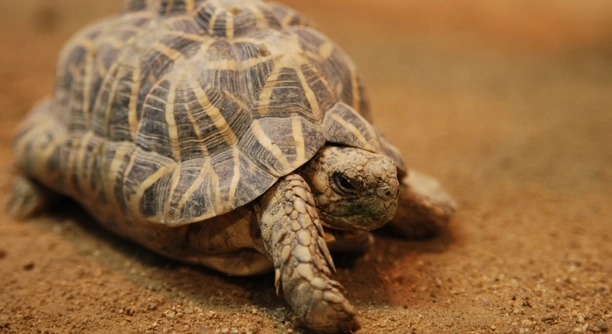
Turtles can easily fall victim to bacterial infections, which can affect their health. Keeping their environment clean and providing proper care can prevent such issues. It is important to be mindful of a few key practices.
To prevent bacterial infections in turtles, it is essential to maintain a clean habitat, ensure proper water quality, and provide a balanced diet. Regularly disinfecting the tank and avoiding overcrowding are also key measures to reduce bacterial risks.
Proper care and attention are vital for preventing infections. Following these guidelines will support your turtle’s well-being and help them thrive in a healthy environment.
Cleanliness is Key to Turtle Health
Keeping your turtle’s habitat clean is one of the most important steps in preventing bacterial infections. Regularly changing the water in the tank and removing waste can greatly reduce the growth of harmful bacteria. Additionally, ensure that the tank is cleaned thoroughly every few weeks, including washing decorations, filters, and the tank itself. If you have multiple turtles, you should clean the tank more often to prevent bacteria from building up quickly.
In addition to routine cleaning, always check the water temperature and pH levels. Imbalances in the water can stress your turtle, making it more susceptible to infections. Maintaining the right conditions will not only keep bacteria at bay but also promote the overall health of your turtle.
It’s essential to use non-toxic cleaning agents when sanitizing the tank. Harsh chemicals can harm your turtle, so stick to gentle, turtle-safe products. Remember, a clean environment is vital for preventing bacteria from thriving and causing illness.
Proper Water Quality
Water quality is crucial in preventing bacterial infections. Poor water conditions can lead to skin and shell infections.
Test the water regularly for ammonia, nitrites, and nitrates. These substances can build up quickly, especially in smaller tanks, and can harm your turtle. Keeping the water clean will create a safer environment for your turtle, reducing the risk of bacterial growth.
Balanced Diet
A balanced diet plays a key role in keeping your turtle healthy. Make sure they receive a mix of leafy greens, vegetables, and protein. Overfeeding can lead to health problems, so stick to recommended portions for their size and age. This will help maintain a strong immune system.
Turtles are omnivores, which means they need both plant and animal-based foods. Fresh vegetables like kale and collard greens should be staples, while protein sources like fish or specially formulated turtle pellets can offer variety. Avoid feeding them too much fruit, as it can upset their digestion.
Monitor your turtle’s eating habits closely to make sure they’re getting the right nutrients. A healthy diet will not only help prevent bacterial infections but also promote overall well-being. Always remove any uneaten food to avoid water contamination.
Proper Lighting
Turtles require proper lighting to thrive. Ensure they have access to UVB lighting, which helps them absorb calcium and maintain strong shells.
Without adequate UVB light, your turtle can develop metabolic bone disease, making them more vulnerable to infections. A heat lamp should also be used to maintain the right temperature. Turtles need both heat and UVB rays to stay healthy. Without these, their immune system weakens, increasing the risk of illness.
Avoid Overcrowding
Overcrowding in a turtle tank can increase the risk of bacterial infections. Too many turtles in a small space can lead to stress and a buildup of waste, which makes it harder to maintain water quality. Always ensure there’s enough space for each turtle to move freely.
A general rule is to allow at least 10 gallons of water per inch of turtle shell. This provides them with the room they need to swim and exercise. Overcrowding not only affects water quality but can also result in aggressive behavior, further increasing the chances of injury and infection.
Regular Health Checks
Regular health checks can help catch potential issues early. If you notice changes in your turtle’s behavior, such as lack of appetite or lethargy, it might be a sign of infection.
Routine vet visits and observation will help keep your turtle in top shape. Early intervention can prevent more serious complications from developing, so don’t wait until it’s too late.
Tank Location
The location of your turtle tank matters. Place it in a quiet, low-traffic area to minimize stress.
Avoid direct sunlight or cold drafts that could affect the tank’s temperature and water conditions. Keep the tank in a stable environment to ensure your turtle remains healthy and stress-free.
FAQ
What are the signs of a bacterial infection in turtles?
Signs of a bacterial infection in turtles include swelling, redness, or discharge from their eyes, nose, or mouth. You may also notice their shell becoming soft or discolored, and they may become lethargic or lose their appetite. If your turtle shows any of these symptoms, it’s crucial to act quickly and consult a vet.
How can I prevent my turtle from getting a bacterial infection?
To prevent bacterial infections, maintain clean water, offer a balanced diet, and provide the right lighting. Regular tank cleaning, removing waste, and ensuring proper water temperature and pH are key factors. Also, don’t overcrowd the tank to minimize stress and bacteria buildup.
Is it necessary to disinfect my turtle’s tank?
Yes, disinfecting your turtle’s tank is necessary to eliminate harmful bacteria and other pathogens. Regular cleaning every few weeks, along with routine water changes, will help keep the environment safe for your turtle. Always use turtle-safe cleaning products to avoid harm.
How often should I change my turtle’s water?
Change your turtle’s water every week, especially if they are in a smaller tank. For larger tanks or setups with proper filtration systems, you can change the water every two weeks. This will help maintain clean water and reduce the chances of bacterial growth.
What temperature should my turtle’s tank be?
Turtles require a warm environment, with water temperatures typically ranging between 75-80°F (24-27°C). Additionally, providing a basking area with a temperature of 85-90°F (29-32°C) is important for your turtle’s health. Consistent temperatures help their immune system and overall well-being.
Do turtles need UVB light?
Yes, UVB light is crucial for turtles. It helps them absorb calcium and promotes strong shell development. Without UVB light, your turtle could suffer from metabolic bone disease. Make sure to provide a UVB bulb that mimics natural sunlight and replace it regularly.
Can I keep different species of turtles together?
It’s not recommended to house different species of turtles together unless they have similar care requirements. Different species may have varying needs in terms of temperature, diet, and space. In some cases, they may become territorial or aggressive toward each other, leading to stress and potential injury.
How do I know if my turtle is stressed?
Signs of stress in turtles include erratic swimming, loss of appetite, and hiding in corners or under tank decorations. Stress can also lead to shell abnormalities or health issues. Make sure your turtle’s environment is stable, with proper lighting, temperature, and space to reduce stress.
What should I do if my turtle has a wound?
If your turtle has a wound, it’s important to clean it immediately with clean, warm water. You can apply an antiseptic that’s safe for reptiles. If the wound appears serious or shows signs of infection, seek veterinary care to prevent further complications.
How can I treat shell rot in turtles?
Shell rot is caused by bacterial or fungal infections. If your turtle shows signs of shell rot, clean the affected area with clean water and antiseptic. Keep the turtle in a dry, clean environment and consult a vet for the best treatment options, which may include topical antibiotics or other care.
Can I use regular fish tank filters for my turtle tank?
While you can use regular fish tank filters, it’s better to use a filter designed for turtles. Turtles produce more waste than fish, so a more powerful filter will help keep the water cleaner. Ensure that the filter can handle the amount of waste your turtle generates to maintain proper water quality.
How do I keep my turtle’s tank from smelling?
To prevent odors in your turtle’s tank, change the water regularly and clean the substrate and decorations. Avoid overfeeding your turtle, as uneaten food can decompose and create unpleasant smells. A good filtration system can also help reduce odors by keeping the water clean.
What should I do if my turtle refuses to eat?
If your turtle refuses to eat, check the water temperature and lighting to ensure they are optimal. Stress, illness, or poor water quality can lead to a loss of appetite. If the issue persists for more than a few days, consult a vet to rule out health problems.
How do I prevent my turtle from getting parasites?
To prevent parasites, maintain a clean environment and avoid overcrowding. Quarantine new turtles before introducing them to your tank to avoid introducing parasites. Regularly check for signs of parasites, such as abnormal behavior or bloatedness, and seek veterinary treatment if necessary.
Are there any specific plants that are safe for turtles to eat?
Yes, there are several safe plants that turtles can eat, such as water hyacinth, water lettuce, and aquatic grasses. Make sure the plants haven’t been treated with chemicals or pesticides before offering them to your turtle. Always provide fresh, untreated plants to avoid harm.
Can I use tap water in my turtle’s tank?
Tap water can be used, but it’s important to treat it first to remove chlorine and chloramine, which can harm your turtle. Use a water conditioner specifically designed for reptile tanks to make the tap water safe for your turtle. Testing the water’s pH and hardness is also essential for their health.
What should I do if my turtle’s eyes are swollen or watery?
Swollen or watery eyes may indicate a bacterial or respiratory infection. Keep the tank clean and ensure the water quality is optimal. If symptoms persist, seek veterinary care. Proper lighting, including UVB rays, is also important for eye health and to prevent further complications.
How can I help my turtle’s shell grow properly?
Providing a healthy diet rich in calcium and UVB light will support proper shell growth. Avoid keeping the water too cold, as this can affect their metabolism and shell development. Regularly clean the tank and ensure that your turtle has enough space to move freely.
How long do turtles live?
Turtles can live for decades, with some species reaching 30-40 years or even longer. The lifespan varies depending on the species and the care they receive. Proper habitat, diet, and regular health checks will help ensure your turtle enjoys a long and healthy life.
Final Thoughts
Maintaining the health of your turtle is a responsibility that requires attention to detail. Bacterial infections, although common, can be prevented with consistent care and proper environment management. Regular cleaning of the tank, ensuring proper water temperature, and providing the right lighting and diet will help keep your turtle safe from infections. Simple steps, like changing the water regularly and maintaining a healthy tank, can make a big difference in preventing the spread of bacteria and promoting overall well-being.
It is also essential to monitor your turtle closely for any signs of illness. A turtle’s behavior, appearance, and eating habits can provide valuable insights into its health. If any changes are noticed, addressing the issue quickly is key. Don’t hesitate to seek veterinary help if symptoms persist or worsen. Early intervention can prevent more serious problems down the road. A vet can offer treatments and advice specific to your turtle’s needs, helping to guide you in making informed decisions about their care.
In the end, prevention is always better than treatment. By creating a clean, safe, and healthy environment for your turtle, you’ll ensure they live a long and happy life. The steps you take now, from diet to tank maintenance, have a lasting impact on your turtle’s health. Taking time to educate yourself and apply the right practices will lead to fewer health problems and a more enjoyable experience with your pet. A well-cared-for turtle can thrive for years, providing companionship and joy.

Hello,
If you enjoy the content that we create, please consider saying a "Thank You!" by leaving a tip.
Every little bit helps us continue crafting quality advice that supports the health, happiness, and well-being of pets around the world, for pets of all shapes, sizes, and species.
We really appreciate the kindness and support that you show us!