
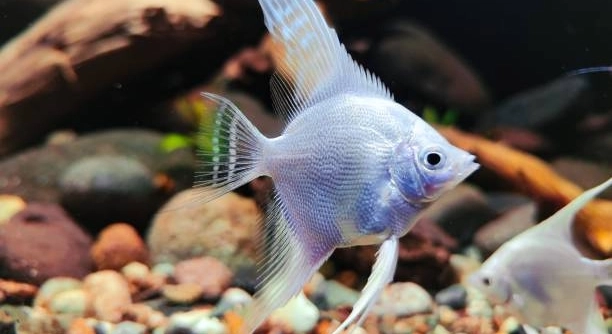
Have you ever noticed your angelfish acting differently and wondered if something might be affecting their health and comfort in the tank?
Bacterial infections in angelfish can be prevented through proper tank maintenance, balanced nutrition, stress reduction, and early detection of symptoms. These measures support immune function and reduce the likelihood of harmful bacteria overwhelming the fish’s natural defenses.
These simple strategies will help protect your angelfish, making their home healthier and more comfortable while giving you peace of mind.
Keep the Water Clean and Stable
Maintaining clean, stable water is one of the most effective ways to prevent bacterial infections in angelfish. Poor water conditions quickly lead to stress, which weakens their immune system and increases their risk of illness. Perform regular water changes—around 25% weekly—and monitor ammonia, nitrite, and nitrate levels using a reliable test kit. Keep the temperature between 76°F and 82°F, and ensure that the pH remains steady between 6.5 and 7.5. Any sudden changes can throw off their balance and create the perfect environment for harmful bacteria. Use a good filtration system that suits the size of your tank and clean it regularly without disturbing beneficial bacteria. Keeping the water parameters consistent will help reduce stress in your fish and promote a stable, healthy habitat. Clean water does more than look nice—it directly impacts your angelfish’s ability to stay strong and resilient against infections.
Always condition new water before adding it to the tank. This prevents chemical exposure from harming your angelfish and helps maintain the water’s balance.
Consistency makes a big difference. When your fish aren’t dealing with rapid changes in their environment, they are better able to focus their energy on growth, activity, and immune health. It’s a simple way to protect them.
Quarantine New Fish
New fish can unknowingly bring bacteria into your aquarium. Quarantining helps you avoid spreading illness to your angelfish by allowing time to monitor any symptoms. Keep new arrivals in a separate tank for at least two weeks.
A quarantine tank doesn’t need to be fancy. A basic setup with a heater, filter, and hiding spot is enough. Test the water like you would in your main tank and watch for signs like frayed fins, clamped fins, white patches, or unusual behavior. This setup gives you a chance to catch problems before they affect your established fish. It’s also helpful for observing how the new fish adjust to different food and handling, reducing stress when they finally join the main tank. During this time, avoid sharing equipment between tanks unless it has been disinfected. Taking this extra step saves you from the hassle of treating your whole tank for something that could have been prevented with a bit of patience and attention.
Avoid Overcrowding the Tank
Too many fish in one tank creates stress, which lowers immunity and increases the chance of infection. Overcrowding also leads to more waste, which harms water quality and makes it harder to manage bacteria.
Stress levels rise quickly in overcrowded environments. Angelfish need space to swim and establish territories. When space is limited, they may become aggressive or withdrawn, which weakens their health over time. Aim for at least 10 gallons per angelfish and avoid adding too many tankmates. Choose peaceful species that won’t compete or harass your angelfish. Keep a close eye on fish behavior and make changes if needed. Reducing the number of fish or upgrading to a larger tank can make a big difference. Cleaner water and less stress create a healthier, more stable home for your angelfish to thrive in without constantly fighting off illness.
Maintaining a low-stress environment starts with providing enough room. Each angelfish needs vertical space due to their tall body shape. Crowding limits movement and can lead to injuries or fin damage. Even with proper filtration, the biological load from too many fish will quickly build up, making it harder to control bacteria. Regular tank maintenance helps, but space is the first step. Make sure your angelfish have the room they need to live comfortably and stay strong.
Feed a Balanced, High-Quality Diet
Nutrition plays a direct role in angelfish health. A diet lacking in nutrients will weaken their immune system, making them more vulnerable to bacterial infections. High-quality food supports digestion, color, growth, and resilience.
Feed your angelfish a mix of flakes, pellets, and frozen or live foods. Variety ensures they get a full range of nutrients and don’t rely on one source. Look for fish food with a good balance of protein, fats, vitamins, and minerals. Avoid overfeeding, as uneaten food quickly spoils and increases harmful bacteria in the tank. Feed small portions twice a day and remove leftovers after a few minutes. Include high-protein treats like bloodworms or brine shrimp once or twice a week. This boosts their overall strength and makes them more resistant to stress-related illness. Consistency matters, so build a routine that supports your angelfish’s long-term health and keeps bacterial threats in check.
Reduce Stress in Their Environment
Stress weakens your angelfish’s ability to fight off bacteria. Loud noises, sudden lighting changes, or frequent disturbances near the tank can make them feel unsafe. Keep their environment calm and consistent to help them stay healthy.
Add plants and decorations to provide hiding spots and a sense of security. Angelfish feel more relaxed when they have places to retreat and explore.
Clean Equipment Regularly
Unclean equipment can carry harmful bacteria into the tank. Rinse nets, siphons, and brushes with hot water after each use. Disinfect tools that are shared between tanks to prevent cross-contamination. Avoid using soap or chemicals, as they can harm fish.
Avoid Using Expired or Low-Quality Medications
Old or low-grade medications may not work properly and can harm your fish or disrupt the tank’s balance. Always check expiration dates and store products in a cool, dry place.
FAQ
What are the most common bacterial infections in angelfish?
The most common bacterial infections in angelfish are fin rot, columnaris, and bacterial dropsy. Fin rot causes frayed or decaying fins, while columnaris leads to lesions, discoloration, and a slimy appearance. Bacterial dropsy causes swelling and pinecone-like protrusions along the body. These conditions can be treated with antibiotics, but prevention is key. Maintaining water quality and reducing stress are essential in avoiding these infections.
How can I tell if my angelfish is sick?
Signs of illness include loss of appetite, abnormal swimming patterns, clamped fins, white patches, lesions, and swelling. You may also notice your fish scratching against objects or hiding more than usual. If you observe these signs, it’s crucial to act quickly. Check water quality, remove any sick fish to prevent spreading, and consider a treatment plan. Early detection makes treatment easier and more effective.
Can bacterial infections spread to other fish in the tank?
Yes, bacterial infections can spread quickly in a community tank, especially in overcrowded conditions. When one fish is sick, others may be exposed through the water or contact with shared surfaces. Quarantining sick fish and maintaining good hygiene are essential steps in preventing further spread.
How do I properly quarantine a new fish?
Set up a separate quarantine tank with a filter, heater, and hiding spots. Keep the new fish in this tank for at least two weeks before introducing them to the main tank. Monitor the fish for any signs of illness during this period. Avoid using the same equipment for both tanks unless disinfected. This quarantine process helps ensure that no hidden infections are passed to your healthy fish.
What should I do if my angelfish has fin rot?
If you notice fin rot, act quickly to prevent it from worsening. First, remove the affected fish to a separate tank to prevent the infection from spreading. Perform a water change and check the water quality, as poor conditions can contribute to fin rot. Use an appropriate antibacterial treatment or medication, and ensure your fish’s tank environment is stress-free. Proper nutrition and maintaining clean water are important for recovery.
Is it okay to treat all fish in the tank for bacterial infections?
It’s often best to treat the infected fish separately, but in certain cases, treating the entire tank may be necessary, especially if the infection is widespread. However, this can stress out healthy fish. Always monitor the behavior and health of all fish in the tank when beginning treatment.
How can I prevent my angelfish from getting sick in the first place?
Preventing illness starts with maintaining a stable, clean environment. Regular water changes, testing water parameters, and keeping the tank free of excess waste are essential. Also, avoid overcrowding, provide proper nutrition, and reduce stressors by offering hiding spots and stable tank conditions. Quarantining new fish is crucial to avoid introducing any potential diseases.
What is the best food for angelfish to boost their immunity?
Feed your angelfish a variety of high-quality flakes, pellets, and occasional live or frozen foods like bloodworms or brine shrimp. These provide essential nutrients, including vitamins, proteins, and fats that help strengthen their immune system. Foods rich in vitamin C, such as certain types of frozen foods, can help fight off infections.
Should I remove dead fish from the tank immediately?
Yes, always remove dead fish as soon as you notice them. Decomposing bodies release toxins that can quickly foul the water and stress or harm other fish. If you suspect a fish has died due to an infection, take additional precautions to clean the tank and check the health of other fish.
How can I prevent stress in my angelfish?
Stress in angelfish can be prevented by providing a stable, peaceful environment. Avoid loud noises, sudden movements near the tank, and bright lighting. Give your fish enough space to swim and hide. Keep water parameters stable, and don’t overcrowd the tank. Adding plants, rocks, and decorations can help them feel secure and reduce stress.
Are aquarium medications safe for angelfish?
Most aquarium medications are safe when used according to the instructions. However, some can stress your angelfish or disrupt the balance of beneficial bacteria in the tank. Always read the label, and consider the impact on your tank’s ecosystem. Use medications as a last resort and always quarantine sick fish.
How often should I clean my angelfish tank?
Regular cleaning is crucial for angelfish health. Perform a partial water change (about 25%) weekly, and vacuum the substrate to remove debris. Clean the filter and test water parameters frequently. Deep cleaning, such as rinsing decorations and performing a thorough substrate cleaning, can be done monthly. Always monitor the health of your fish after cleaning to ensure they’re not stressed.
Can stress from tankmates cause bacterial infections in angelfish?
Yes, stressed fish are more susceptible to infections, including bacterial ones. Tankmates that are aggressive or overly active can stress angelfish, leading to weakened immune systems. Ensure that your angelfish have peaceful tankmates, and monitor interactions regularly. Choose species that won’t compete for space or food, helping to maintain a calm environment.
What’s the best way to treat bacterial infections in angelfish?
Treatment depends on the type of infection. For fin rot or columnaris, antibiotics designed for bacterial infections are often effective. Always follow the dosage instructions carefully and continue treatment for the recommended time. Isolate sick fish to prevent the spread, and improve water conditions for recovery. In some cases, salt baths or antiseptic treatments may help. Always monitor water quality and maintain proper tank hygiene during treatment.
Final Thoughts
Taking care of angelfish requires attention to detail and consistency. Maintaining a clean tank with stable water conditions is the foundation of preventing bacterial infections. Regular water changes and testing water parameters ensure the environment stays healthy. Stress-free living conditions also play a major role in their overall well-being. Angelfish are sensitive to changes, so providing them with a calm and consistent environment can make a huge difference in their health.
Prevention is key when it comes to bacterial infections. Ensuring your angelfish have proper nutrition, a stress-free environment, and high-quality tank conditions can help them fight off potential threats. Quarantining new fish before introducing them to the main tank reduces the risk of bringing harmful bacteria into the environment. Regular monitoring for signs of illness and acting quickly can help address problems before they become severe.
If bacterial infections do occur, timely treatment is essential. Isolating affected fish and treating them with appropriate medications can prevent the infection from spreading. Always follow instructions on medication use and continue treatment for the recommended period. It’s equally important to maintain water quality and reduce stress during recovery. With proper care, your angelfish can remain healthy, vibrant, and active for years to come.

Hello,
If you enjoy the content that we create, please consider saying a "Thank You!" by leaving a tip.
Every little bit helps us continue crafting quality advice that supports the health, happiness, and well-being of pets around the world, for pets of all shapes, sizes, and species.
We really appreciate the kindness and support that you show us!