
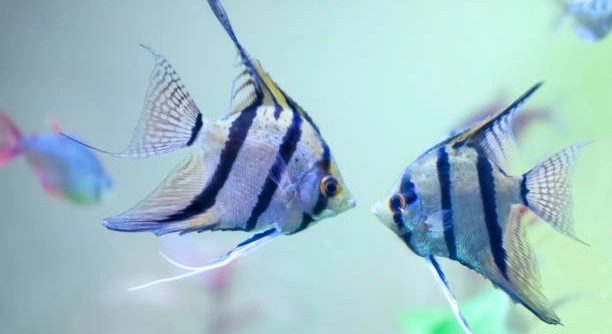
Angelfish are known for their beauty, but sometimes their peaceful nature can give way to aggression. Keeping them calm in your aquarium can be a challenge, especially when they begin fighting with each other.
To prevent angelfish from fighting, providing adequate space, maintaining a proper social structure, and ensuring they are not overcrowded are essential steps. Additionally, paying attention to tank conditions such as water quality and temperature can significantly reduce aggression.
Knowing how to manage their environment can lead to a peaceful and thriving angelfish community.
Providing Adequate Space
Angelfish need enough room to swim freely and establish territories. If kept in a small tank, they are more likely to become territorial and aggressive, leading to fights. The ideal tank size for a pair of angelfish is at least 30 gallons, with more space required as you add more fish.
A tank that’s too small can cause stress, which leads to more aggression. When angelfish feel crowded, they may fight over space, food, or mating opportunities. Giving them enough room to move without constant interaction can significantly reduce the chances of conflicts.
In addition to size, the tank’s layout can affect behavior. Providing plenty of hiding spots, plants, and decorations gives fish places to retreat when they feel threatened. This can also help establish territories within the tank. A well-planned tank will not only make your fish more comfortable but also reduce stress, which is often a trigger for aggression.
Maintaining Proper Tank Conditions
Water quality plays a crucial role in preventing fighting.
Ensuring proper filtration, temperature, and regular water changes will keep your angelfish in a more stable environment. Healthy fish are less likely to become aggressive, as their needs are being met.
Avoid Overcrowding
Overcrowding can lead to stress and aggression. Angelfish need enough space to establish their own territories, and if the tank is too crowded, they will feel threatened and may start fighting. Keeping only a few fish in the tank allows them to feel secure and reduces competition for resources.
When stocking an aquarium, consider the size of your angelfish and the space they need to move freely. A larger tank with fewer fish will create a more peaceful environment. Angelfish are not the most social fish, so keeping them with compatible tankmates is key to avoiding disputes. Overcrowding leads to high stress levels, making them more prone to aggression and less likely to thrive.
When introducing new fish to the tank, ensure there is enough space for everyone. If adding more angelfish, make sure the tank can handle the extra load without overpopulating. A well-balanced fish population will reduce the likelihood of fights and promote a calm environment for your angelfish.
Managing Tankmates
Tankmates can make or break the atmosphere in your aquarium.
Selecting compatible species is essential when setting up a community tank with angelfish. Avoid placing overly aggressive or territorial species alongside them, as they can provoke fights. Opt for peaceful fish that won’t compete for the same resources, and choose species that won’t threaten their space. Incompatible tankmates will cause stress and increase the risk of aggression between fish.
Some angelfish pairs can be territorial, especially during breeding. In such cases, consider providing extra space and hiding spots to reduce the chance of aggression. Keeping a balance of peaceful tankmates is essential to avoid conflict. Fish that are too small or too large might also cause unnecessary stress, leading to disputes. It’s best to select fish that will not trigger territorial behavior in your angelfish.
Monitor Water Temperature
Angelfish are sensitive to temperature changes. Sudden drops or increases in water temperature can cause stress, leading to aggressive behavior. Keeping the water temperature stable between 76°F and 82°F will help maintain their calm and reduce fighting.
Consistent water temperature is essential for the health of your angelfish. A temperature fluctuation of just a few degrees can cause discomfort, making them more likely to become aggressive. Invest in a reliable heater and thermometer to ensure the tank stays within the ideal range for angelfish.
Provide Hiding Spaces
Hiding spaces give angelfish a retreat when they feel threatened.
Adding plants, caves, or decorations will allow your fish to escape from aggressive tankmates and find solitude when needed. This helps them feel secure and less likely to engage in fights.
FAQ
What are the main causes of angelfish aggression?
Angelfish aggression is often triggered by a lack of space, overcrowding, poor water quality, and incompatible tankmates. Territorial disputes can occur when they feel their area is being encroached upon. Stress due to fluctuating temperatures or poor tank conditions can also lead to aggressive behavior.
How can I tell if my angelfish are fighting?
Angelfish fighting typically involves chasing, nipping, or flaring their fins. If you notice one angelfish aggressively pursuing or harassing another, it’s likely a sign of aggression. You may also see physical damage to fins or bodies, which can indicate ongoing fighting.
Can angelfish be kept with other species?
Yes, angelfish can be kept with other species, but it’s crucial to choose peaceful and compatible tankmates. Avoid aggressive or overly territorial fish, as these can provoke your angelfish. Fish that occupy different areas of the tank, like bottom dwellers or mid-water swimmers, are typically safer companions for angelfish.
How much space do angelfish need to prevent fighting?
Angelfish require at least 30 gallons of space for a pair, with additional space needed for each extra fish. Larger tanks, like 55 gallons or more, are ideal to reduce the chances of territorial disputes. The more space they have, the less likely they are to become aggressive.
Do angelfish fight during breeding?
Yes, angelfish can become more aggressive during the breeding season. They are highly territorial when guarding eggs or fry. To reduce aggression, provide plenty of hiding spaces and keep the breeding pair separate from other fish if possible. A breeding tank or divider can also help prevent fights.
How can I reduce aggression in a tank with multiple angelfish?
To reduce aggression, make sure the tank is large enough to accommodate all the fish. You can also introduce new angelfish in groups to reduce the chances of one becoming too dominant. Offering plenty of hiding spaces and visual barriers, such as plants or decorations, can also help minimize aggression.
Can I use any tank decorations to reduce fighting?
Yes, tank decorations like rocks, caves, and dense plants can help reduce aggression by providing hiding spots and creating visual barriers. Angelfish can establish their territories, and the presence of hiding spaces will help them avoid confrontations. Make sure the decorations don’t overcrowd the tank or reduce swimming space too much.
What should I do if my angelfish are constantly fighting?
If your angelfish are consistently fighting, assess the tank size and water conditions first. Ensure the tank is large enough for the number of fish you have and that the water quality is ideal. If necessary, separate the aggressive fish into different tanks or use a tank divider to create more space.
How can I tell if my angelfish are stressed?
Signs of stress in angelfish include loss of appetite, erratic swimming behavior, hiding more than usual, and faded or darkened colors. Stress can be caused by poor water conditions, overcrowding, or aggression from tankmates. Addressing these factors can help reduce stress and prevent aggression.
Can I use a tank divider to stop angelfish from fighting?
A tank divider can be an effective solution to stop angelfish from fighting. It provides each fish with its own space, reducing territorial disputes. Make sure the divider is tall enough to prevent fish from jumping over and ensure each section has adequate filtration and water flow.
Do angelfish fight when they are hungry?
Hunger can sometimes contribute to aggression, especially if there is competition for food. Make sure to feed your angelfish the appropriate amount of food, and consider feeding them at different times or in different areas of the tank to reduce competition. Regular feeding schedules will help maintain peace.
How can I tell if an angelfish is sick or just fighting?
Sick angelfish may display symptoms like abnormal swimming, loss of appetite, or unusual coloration. They may also isolate themselves or show visible signs of illness, such as lesions, bloating, or rapid breathing. If these signs appear along with physical damage from fights, it’s important to treat the fish for illness.
How often should I check the water quality to prevent aggression?
Water quality should be checked at least once a week to ensure it remains stable. Regular tests for ammonia, nitrate, nitrite, pH, and temperature will help you identify any imbalances that could be causing stress or aggression. Consistent maintenance, including water changes, is crucial for a peaceful tank.
Can angelfish live with bettas?
Angelfish and bettas should not be kept together. Bettas are highly territorial, and their aggressive nature can provoke angelfish. Even though both species may share similar environmental needs, their behavior often leads to fighting. It’s best to keep them in separate tanks or with species known to be peaceful.
How long does it take for angelfish to stop fighting?
The time it takes for angelfish to stop fighting depends on the cause of aggression. If it’s due to territorial disputes, it may take a few days or weeks for the fish to establish dominance. Ensuring optimal tank conditions and enough space will help speed up this process.
Can adding more angelfish reduce fighting?
In some cases, adding more angelfish can reduce fighting, as it can help spread out aggression and prevent a single fish from becoming too dominant. However, this only works if the tank is large enough to accommodate additional fish. Overcrowding can increase stress and aggression.
How do I prevent fighting during feeding time?
To prevent fighting during feeding, scatter food across the tank to reduce competition. You can also use feeding rings or small containers to control where the fish feed, giving each angelfish its own space. This ensures that all fish get their share of food without the risk of aggression.
Do angelfish fight at night?
Angelfish may still engage in fighting at night, especially if there are unresolved territorial disputes. However, aggression is typically less noticeable in the dark. It’s important to ensure the tank is large enough and contains hiding spots where angelfish can retreat to avoid nighttime confrontations.
Final Thoughts
Preventing aggression in angelfish is crucial for maintaining a peaceful tank environment. Angelfish are naturally territorial, and providing enough space, proper water conditions, and compatible tankmates are the key steps to reducing fighting. By carefully planning the tank setup, you can create a peaceful space where angelfish can thrive without the stress of constant conflict. Monitoring water quality, temperature, and ensuring there are enough hiding spots will make a noticeable difference in their behavior. Taking these simple steps can lead to a more stable and healthy tank for your fish.
If your angelfish continue to show signs of aggression, it’s important to reevaluate the tank setup. Sometimes, separating overly aggressive individuals or adjusting the tank’s layout can resolve the issue. Adding more hiding spots, such as plants or decorations, can help reduce territorial disputes by giving each angelfish a safe space to retreat. Consider keeping fewer angelfish if the tank is too small or introducing other peaceful species to balance the dynamic. A well-maintained tank with plenty of room and hiding places for all fish will significantly reduce the chances of aggression.
In conclusion, managing angelfish aggression requires a combination of environmental factors, such as tank size, water quality, and compatible tankmates. By creating an ideal environment and monitoring their behavior, you can prevent fighting and ensure your angelfish live in a peaceful, stress-free space. If problems persist, re-evaluating the setup and considering potential solutions, such as separation or tank adjustments, will help to resolve any conflicts. With the right care, angelfish can live harmoniously with each other and thrive in your aquarium.

Hello,
If you enjoy the content that we create, please consider saying a "Thank You!" by leaving a tip.
Every little bit helps us continue crafting quality advice that supports the health, happiness, and well-being of pets around the world, for pets of all shapes, sizes, and species.
We really appreciate the kindness and support that you show us!