
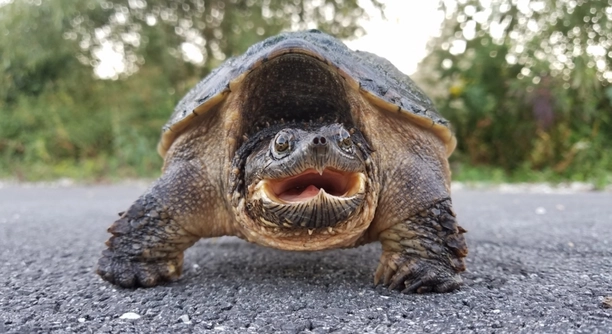
Turtles can be fascinating creatures, especially when they roam around your garden or backyard pond. However, snapping turtles sometimes get caught in decorations, which can be a real concern for their safety.
To prevent a common snapping turtle from getting stuck in decorations, it’s important to create a safe, clear space. Make sure that any decorations near water areas are securely fastened and free of sharp edges, as these can easily trap the turtles.
There are simple changes you can make to improve your turtle’s environment, reducing the risk of it becoming trapped. In the following tips, we’ll show you how to keep your decorations safe for both turtles and their surroundings.
1. Remove Small Gaps in Decorations
Small gaps or spaces in decorations can quickly become a problem for snapping turtles. They may try to fit through them, thinking they can pass, but end up stuck. These spaces can be present in things like garden statues, fences, or rocks that are placed near water. Snapping turtles are curious by nature, and they’ll often explore every nook and cranny in their environment. Unfortunately, this curiosity can lead to injury if they get trapped. By carefully checking your decorations for small gaps, you can prevent this from happening.
While it may not seem like a big issue, these small gaps can trap turtles in tight spots. It’s best to inspect all items regularly and make sure there’s no space that could easily cause trouble. Sealing or adjusting decorations is a simple way to protect the turtles while maintaining a beautiful space.
Turtles can also get stuck in larger gaps that they mistakenly think they can squeeze through. In some cases, their shells may get wedged, making it impossible for them to back out. Ensuring a turtle-friendly environment means double-checking the placement of every decoration and fixing any potential issues before they become a problem.
2. Use Decorations that Are Easily Movable
When placing decorations near water sources, consider using ones that are lightweight or can be easily moved if needed. Snapping turtles often interact with their surroundings, and some may accidentally nudge or push a decoration that isn’t secured.
It’s important to choose decorations made of materials that don’t pose a risk if they shift or fall. Whether it’s a floating piece or a movable stone, opting for items that can be adjusted without too much effort will help prevent turtle-related accidents. Having the ability to move an item can help you monitor and adapt your space.
Consider placing items like small fences, rocks, or sculptures on stable ground. If you’re not sure about their stability, it’s better to place them on surfaces that are easier to adjust. The more flexible your decorations are, the more adaptable your space will be to turtles and their natural movements.
3. Avoid Overcrowding the Area
When decorating around a pond or water feature, overcrowding the space can make it more difficult for turtles to move freely. Snapping turtles need room to roam and explore, so limiting the number of items around the water can help prevent them from getting trapped. Too many decorations can create narrow pathways, causing the turtles to squeeze through tight spaces, which could lead to injuries or entrapment.
Take time to clear away unnecessary decorations and make sure the area remains open and spacious. Leave enough room for the turtle to navigate without encountering any obstacles that could cause harm. Simple, clean spaces are safer for both turtles and their natural environment. By giving them room to move around, you reduce the risk of them getting caught between objects.
Instead of over-decorating, focus on strategic placements. Place a few sturdy decorations in the right spots that won’t obstruct the turtle’s movements. This keeps the area safe without compromising the beauty of your pond or garden.
4. Choose Smooth, Rounded Decorations
Decorations with sharp edges or rough surfaces pose a greater risk to snapping turtles. Their curious nature might lead them to explore every corner of a decoration, and sharp edges can cause injury. Choosing smooth, rounded decorations ensures that there are no hidden risks in your turtle’s environment. It also makes it harder for turtles to get stuck because they won’t get trapped on jagged parts.
Look for items made from soft or smooth materials that won’t snag the turtle’s shell or limbs. Stones with sharp points or decorations with edges should be replaced or adjusted to eliminate potential hazards. Turtles are more likely to get stuck when they try to squeeze into or around these items, making smooth surfaces essential for their safety.
Consider the shape of the decorations as well. Rounded, flowing shapes are less likely to trap the turtle, allowing them to move around naturally. Avoid placing rocks with sharp corners or intricate designs that could easily entangle a turtle. Ensuring your decorations are turtle-friendly means choosing items that prioritize their safety.
5. Monitor Water Depth
Having the right water depth around decorations is crucial. If the water is too shallow, a turtle may find it hard to escape after being stuck. Proper depth allows turtles to move freely, ensuring they aren’t caught between decorations or struggling to get out.
Ensure that the water around your decorations is deep enough for the turtle to move easily. Shallow areas can limit their mobility, especially if they get too close to obstacles. Keeping a proper depth reduces the chances of a turtle being trapped while still offering them a safe, accessible environment.
By regularly checking the depth and adjusting as needed, you can keep the water environment safe for the turtle to navigate without facing any unnecessary challenges.
6. Keep Decorations Stable
Unstable decorations can shift or tip over, leading to potential danger for snapping turtles. A decoration that moves easily could trap a turtle if it falls into a narrow space. Ensure that all decorations are anchored securely to prevent any accidental shifts.
Stabilizing your decorations can also reduce the likelihood of them becoming hazardous. Avoid placing heavy or top-heavy items where they could fall over. A stable environment will give the turtle more freedom to move without any risks. Make sure to regularly check that everything is secure and positioned safely.
7. Avoid Using Decorations with Small Parts
Small, detachable parts in decorations may look appealing, but they can pose a significant risk. Snapping turtles can be drawn to these small parts and could get stuck or choke on them. It’s important to choose decorations that don’t have removable pieces that might fall into the water.
Items like fountains or figurines with loose parts can be problematic. Ensure everything is tightly sealed or made from one solid piece. This will eliminate the chance of small components becoming hazardous, keeping your turtle’s space safe and free of potential dangers.
FAQ
What kind of decorations are safest for snapping turtles?
The safest decorations for snapping turtles are those that are smooth, rounded, and free of sharp edges. Avoid any items with jagged points or intricate designs where a turtle might get stuck. Natural materials like smooth rocks, floating plants, or safe, large, and sturdy decorations are best. These provide both visual appeal and a safe environment for the turtle to explore. Make sure the decorations are stable, as moving parts could pose a risk.
How do I prevent snapping turtles from getting stuck in a pond filter?
To prevent snapping turtles from getting stuck in a pond filter, choose a filter that is designed to be safe for wildlife. Make sure the intake is covered with a fine mesh or protective guard. The mesh should be small enough to keep a turtle’s limbs from getting trapped but large enough to allow water to flow freely. Regular maintenance is also crucial—clean the filter and check for any potential hazards that might develop over time.
Are there any plants I can add to prevent turtles from getting stuck?
Yes, adding floating or submerged plants can help create natural barriers that give turtles room to move without feeling crowded. Plants like water lilies or duckweed provide cover, making turtles feel more secure, but they also prevent them from getting too close to sharp-edged or hard decorations. Just be sure the plants don’t obstruct the turtle’s path or block access to deeper areas where it might need to escape or rest.
Should I worry about turtles getting stuck in garden statues or decorations?
Yes, garden statues and decorations can be a concern if they are not properly designed. Snapping turtles are curious and may try to explore every part of your garden. Any small gaps or sharp edges in these statues can be dangerous. Opt for larger, stable decorations with smooth surfaces. If you have statues with gaps or holes, make sure they are securely anchored and have no sharp parts that could trap a turtle.
How can I make my pond more turtle-friendly?
To make your pond more turtle-friendly, focus on creating clear, open spaces with smooth surfaces. Avoid overcrowding the area with decorations and ensure the water depth is appropriate. Add safe decorations like large, flat rocks or floating plants. Check for any sharp edges, gaps, or small parts that could potentially trap the turtle. It’s also important to maintain good water quality, as a clean environment is healthier for the turtle and will keep it more comfortable.
What are the dangers of sharp-edged decorations for turtles?
Sharp-edged decorations can trap or injure turtles. If a turtle tries to fit into a space with jagged edges, it might get stuck and unable to free itself. This could lead to injury or, in worst-case scenarios, death. Snapping turtles are naturally curious and will explore every crevice they can reach, so sharp or rough edges pose a serious risk. It’s important to replace or adjust decorations with sharp parts to ensure the safety of the turtle.
Can a snapping turtle climb over low barriers or decorations?
Snapping turtles are known for their strong claws and excellent climbing abilities. They can often scale low barriers if they find something to grip onto, so placing low barriers near water could inadvertently trap the turtle. It’s better to focus on creating wide, open spaces and use higher barriers or fences if needed, ensuring they are securely anchored and do not pose any risk of trapping the turtle.
How do I handle a turtle that’s already stuck in decorations?
If you find a turtle stuck in decorations, approach it carefully and avoid causing it stress. Gently remove any obstacles and carefully free the turtle. If the turtle is injured or unable to move on its own, consider contacting a local wildlife rehabilitator or veterinarian. It’s essential not to pull too hard, as this could cause harm to the turtle. Once free, place the turtle back in a safe area and ensure it has enough space to move and escape in the future.
How often should I check decorations for risks to turtles?
It’s a good idea to check your decorations at least once a month to ensure they are safe for turtles. Regular checks will help you catch any issues, such as loose parts, sharp edges, or shifting decorations that could pose a risk. Pay extra attention during seasonal changes, as outdoor conditions may cause decorations to shift or deteriorate, creating new hazards. Keeping your decorations secure and safe is an ongoing process.
Do turtles ever become trapped in other objects, like toys or debris?
Yes, snapping turtles can sometimes become trapped in objects like discarded toys, plastic items, or even debris floating in the water. These objects can easily entangle or trap a turtle, so it’s essential to keep the area around your pond or water source clear of any litter. Regularly clean your pond and surrounding areas to remove any debris or trash. This helps create a safer environment for your turtle to move around without encountering harmful objects.
Final Thoughts
Taking steps to ensure your snapping turtles are safe around decorations is an important part of responsible pet care. By making sure there are no sharp edges, gaps, or unstable items in your garden or pond, you can reduce the risk of your turtle getting stuck. Simple changes, like choosing smooth, rounded decorations or adding plants that offer both cover and space, can make a big difference. Creating a clear and safe environment allows your turtle to move freely and reduces the chances of accidents happening.
It’s also essential to maintain a regular check on your decorations and surroundings. Turtles are curious creatures, and they will explore everything around them. Decorations, rocks, and even plants should be regularly checked for any potential hazards. This is especially important as the seasons change, and weather conditions can shift the placement of items, potentially creating new risks. By being proactive and keeping your environment turtle-friendly, you can create a safer space where they can live and explore without concern.
At the end of the day, the goal is to create an environment that allows your turtle to thrive while minimizing any risks. Keeping decorations stable, avoiding small parts that could be ingested or cause injury, and ensuring proper water depth are all key factors. With a little attention and care, your pond or garden can remain a safe and enjoyable space for both you and your snapping turtle.

Hello,
If you enjoy the content that we create, please consider saying a "Thank You!" by leaving a tip.
Every little bit helps us continue crafting quality advice that supports the health, happiness, and well-being of pets around the world, for pets of all shapes, sizes, and species.
We really appreciate the kindness and support that you show us!