
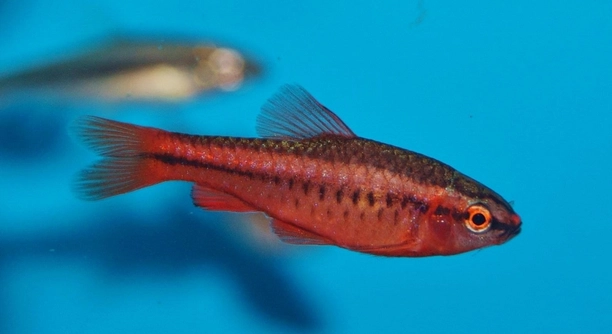
Transporting cherry barbs can cause stress and shock, leading to potential health issues for your fish. Ensuring their safety and comfort during transit is crucial for a successful move. There are several ways to minimize these effects.
To minimize cherry barb shock during transport, the best method involves acclimating the fish slowly to changes in water temperature and environment. Use a suitable transport bag, provide ample oxygen, and reduce movement to avoid stress.
Taking these simple steps will help ensure a smoother transition for your cherry barbs. Let’s go over the most effective strategies to minimize shock and make your fish’s journey less stressful.
Use Proper Transport Bags
When transporting cherry barbs, using the right transport bag is essential. A good quality, clear, and durable plastic bag will ensure that your fish stay safe throughout the trip. These bags should be large enough to provide enough room for the fish to move but not so large that the water ratio becomes unbalanced. Ideally, the bag should be filled with water from your tank, as this will keep the fish familiar with their usual environment. Adding some plants or soft materials inside can also help keep them calm.
The bag should be sealed securely to prevent leaks, but you should leave some air space for oxygen. Make sure the bag isn’t overfilled to reduce stress.
During transport, avoid letting the bag flop around or become jolted, as sudden movements can increase the chances of stress. Gently securing the bag in a stable spot will help minimize the risk of injury and discomfort for your cherry barbs.
Control the Temperature
Temperature changes are one of the main reasons fish experience stress during transport. It’s essential to keep the water temperature stable to avoid shock.
Use insulated bags or coolers to regulate the temperature inside the transport container. If the weather is warm, include ice packs to keep things cool. On colder days, a heat pack can be used to ensure the water doesn’t get too cold.
Temperature fluctuations can easily disrupt a fish’s metabolic functions, leading to stress and potential health problems. Cherry barbs are particularly sensitive to changes in temperature. To prevent this, try to keep the water temperature as close to the fish’s usual tank temperature as possible. If you need to make adjustments, do so slowly.
Add Ample Oxygen
Proper oxygen levels are critical when transporting cherry barbs. The more oxygen in the water, the less likely they are to experience stress during transport.
You can add extra oxygen to the bag by using an air pump or placing an oxygen tablet inside. If this isn’t possible, it’s essential to ensure the bag is only partially filled to leave room for air. The key is to maintain a balance of oxygen and water. Without proper oxygenation, your fish may suffocate or become stressed.
Adding extra oxygen helps ensure the fish stay healthy. The longer the transport time, the more important it becomes to keep oxygen levels optimal. A lack of oxygen can make the fish more vulnerable to shock and illness.
Limit the Amount of Time
Time is a significant factor in reducing stress for cherry barbs. The shorter the transport time, the less likely they are to experience harmful effects.
Plan your transport carefully to minimize the time spent in transit. If the trip is going to take several hours, take extra steps to ensure the fish are comfortable throughout. Avoid delays and keep the transport process moving smoothly. If possible, make arrangements to minimize stops and distractions.
Additionally, avoid opening the bag unnecessarily, as this could allow harmful contaminants or bacteria to enter. Keeping the bag sealed also helps retain the water’s oxygen and temperature, reducing the chances of shock. The more time spent in an unstable environment, the higher the risk of stress.
Avoid Overcrowding
Overcrowding in the transport bag can cause stress and discomfort for your cherry barbs. It’s essential to give them enough space to move around without feeling trapped.
Packing too many fish into one bag can lead to a lack of oxygen, elevated ammonia levels, and higher chances of physical injury. Overcrowding also increases the risk of the fish panicking, which can cause them to injure themselves.
Each cherry barb should have enough room to swim freely. Keep the number of fish in each bag limited to avoid these issues and ensure a smooth transport experience.
Keep the Environment Calm
Transporting fish in a calm, stable environment can reduce stress. Vibrations, noise, or sudden movements can unsettle the fish.
Ensure that the transport container is placed in a stable area where it won’t be jostled. Keep the bag in a quiet, secure spot away from loud noises or excessive handling. This will help prevent the fish from becoming more stressed during the process.
Maintaining a steady, peaceful environment while transporting the cherry barbs will help keep them calm and reduce the risk of shock or injury.
FAQ
How long can cherry barbs survive in a transport bag?
Cherry barbs can typically survive in a transport bag for 6 to 8 hours, as long as the water conditions are kept stable. The key is ensuring that the oxygen levels, temperature, and water quality are maintained during the trip. Beyond this time frame, fish will become more stressed, which can increase their chances of illness. For longer trips, it’s best to consider making provisions for more frequent oxygen exchange or transport in a larger, properly equipped container.
Can I transport multiple fish in one bag?
While it’s possible to transport multiple cherry barbs in a single bag, it’s important not to overcrowd them. The bag should provide enough space for each fish to move around freely. Packing too many fish into one bag can quickly deplete the oxygen supply, increase the risk of injury, and raise ammonia levels. Ideally, you should limit the number of fish per bag to two or three. If the fish are larger or the transport time is extended, fewer fish should be placed in each bag.
Should I feed my cherry barbs before transport?
It’s best not to feed your cherry barbs for 24 hours before transport. A full stomach can increase the chances of water contamination due to waste, which could cause stress or water quality issues during the trip. It’s also harder for the fish to digest food during transport, which can add to their discomfort. Make sure they have access to a clean environment in the tank and avoid feeding them within a day of the trip.
How do I prevent temperature fluctuations during transport?
Temperature control is crucial for minimizing stress in cherry barbs during transport. You can maintain stable temperatures by using insulated transport bags or coolers. If traveling in hot weather, include ice packs, ensuring they don’t touch the water directly. During colder weather, a heat pack can be used to regulate temperature. Always check the temperature before, during, and after the transport to avoid sudden fluctuations, which can shock the fish.
Can I transport cherry barbs in a plastic container instead of a bag?
Yes, you can transport cherry barbs in a plastic container, but it requires more preparation. The container should have a secure lid to prevent spills and adequate ventilation to allow for oxygen exchange. Make sure it’s clean, free of any harmful residues, and has a good amount of water to minimize the risk of water quality issues. Plastic bags are preferred due to their flexibility, but if you use a container, ensure it has enough space for the fish to move and isn’t overcrowded.
What should I do if the fish appear stressed during transport?
If your cherry barbs seem stressed during transport, try to stabilize the conditions as much as possible. Check the oxygen levels, water temperature, and ensure that the bag or container hasn’t been jostled too much. If possible, open the container briefly to let in fresh air, but do so only in a controlled manner to avoid contamination. Avoid handling the fish too much or shaking the bag. If the trip is long, consider stopping for a quick check-up to ensure the environment remains stable.
Is it safe to use water from the transport bag when introducing the fish to a new tank?
It’s not recommended to use water from the transport bag when introducing your cherry barbs to a new tank. Transport water may contain high levels of ammonia, waste, or bacteria that could harm the new environment. To reduce the risk of contamination, carefully acclimate the fish by slowly introducing them to the new tank’s water over a period of time. This helps avoid shock and allows the fish to adjust without bringing in harmful elements from the transport bag.
What type of oxygenation equipment is best for fish transport?
The most common and effective way to oxygenate the water during transport is through an air pump or oxygen tablets. An air pump provides a steady flow of air and can be used if you’re traveling for a longer period of time. Oxygen tablets are a good alternative for shorter trips or when a pump isn’t available. Both methods help maintain proper oxygen levels, ensuring the cherry barbs don’t suffocate during transport. If neither is available, try to ensure the bag has enough air space and avoid overcrowding the fish.
Can cherry barbs handle rough transport conditions?
Cherry barbs are fairly resilient fish, but rough conditions can cause them unnecessary stress. Sudden temperature shifts, lack of oxygen, or jostling can all lead to shock or health problems. While they can tolerate some rough conditions, the less stress they face, the better their chances of staying healthy during transport. Take steps to stabilize the transport environment, and avoid unnecessary handling to ensure a smooth ride for your fish.
What should I do if the water turns cloudy in the transport bag?
Cloudy water can be a sign of poor water quality, which can stress out your cherry barbs. If you notice the water turning cloudy during transport, check the oxygen levels and ensure the bag isn’t overcrowded. You can add an oxygen tablet or replace some of the water if needed. If the cloudiness is due to waste or ammonia buildup, it’s a good idea to make a quick stop to freshen up the water. Avoid opening the bag too often, as it can introduce contaminants.
Final Thoughts
Transporting cherry barbs doesn’t need to be a stressful experience if you take the right steps to prepare. By considering factors such as the transport container, oxygen levels, and water temperature, you can greatly reduce the chances of shock or discomfort during the move. These small but important details can make a big difference in how well your fish adjust after reaching their new environment.
It’s essential to remember that cherry barbs, like all fish, are sensitive to their surroundings. Sudden changes in temperature, overcrowding, or poor oxygenation can cause them to become stressed, potentially leading to health issues. Ensuring that you maintain stable conditions during transport—keeping the water temperature steady, providing ample oxygen, and reducing movement—will help your fish stay calm and reduce the risk of health problems. Whether you’re moving them across town or just to a new tank, these precautions are key to making the trip a success.
In the end, the best way to minimize stress for your cherry barbs is by planning ahead and being mindful of their needs. With a little preparation, you can safely transport them with minimal disruption to their well-being. Fish are resilient creatures, but ensuring they are transported in the best conditions possible will help them settle into their new home with ease. Taking these steps will ensure a smoother transition for your cherry barbs, allowing them to thrive in their new environment.

Hello,
If you enjoy the content that we create, please consider saying a "Thank You!" by leaving a tip.
Every little bit helps us continue crafting quality advice that supports the health, happiness, and well-being of pets around the world, for pets of all shapes, sizes, and species.
We really appreciate the kindness and support that you show us!