
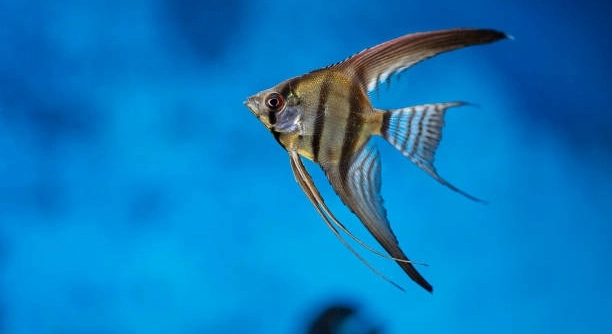
Angelfish are delicate creatures, and maintaining their well-being during tank maintenance is crucial. Stress from this process can affect their health, so it’s important to know how to minimize it.
One effective way to reduce stress during tank maintenance is to ensure minimal disruption. This includes avoiding sudden changes in water temperature, loud noises, and swift movements. Regular, gentle water changes and tank cleaning also help maintain a stress-free environment.
By following these tips, you can create a stable environment for your angelfish. The article provides additional strategies to enhance their overall well-being during maintenance tasks.
Keep the Water Stable
Maintaining a stable water environment is one of the most effective ways to minimize angelfish stress during tank maintenance. Fluctuations in water temperature, pH, or salinity can cause significant stress to angelfish, leaving them vulnerable to illness. Before performing any maintenance, ensure the water temperature in the tank is consistent with the normal range for angelfish, typically between 74-80°F. Sudden drops or increases in temperature can make the fish anxious and weak. It’s important to avoid doing anything that will drastically change their environment.
A reliable water heater with a thermometer can help maintain the ideal temperature. Also, always check water parameters like pH, hardness, and ammonia levels before starting. Consistency is key to keeping your fish calm and healthy.
By taking the time to stabilize the water, you’re creating a comfortable environment that supports your angelfish’s overall health. A balanced tank reduces the chances of distress and allows your fish to thrive, even during maintenance.
Handle the Tank Gently
Fish are sensitive to sudden movements and vibrations. Keeping the tank undisturbed during cleaning will help reduce unnecessary stress.
Handling the tank gently also applies to cleaning tools. For instance, use soft brushes and vacuuming methods that don’t create sudden currents in the water. Avoid jerky or abrupt movements while cleaning the glass or the substrate. Keep cleaning tools and nets away from the fish as much as possible, ensuring minimal disturbance to their space.
Minimize Lighting Changes
Angelfish are sensitive to light, and sudden changes in lighting can lead to stress. Keep the light on a consistent schedule and avoid switching it on and off too abruptly.
Angelfish benefit from a set day and night cycle. Light should mimic natural daylight, giving them a sense of routine. Overexposure to bright lights can cause them to become agitated. Ensure that your lighting is dim enough to prevent glare but bright enough for their activities.
A gentle dimming feature on your aquarium lights can help avoid sudden changes that may trigger stress. Also, limit the time the light is on to around 8-10 hours each day. This helps maintain a calm environment and prevents overstimulation.
Ensure Adequate Hiding Spots
Angelfish need safe spaces to retreat, especially during tank maintenance. By providing them with adequate hiding spots, you can reduce their stress levels.
Plants, rocks, or specially designed aquarium decorations serve as safe zones for your angelfish. These spots allow them to feel secure and escape if they feel threatened by the cleaning process. Ensure the hiding spots are placed in areas where your fish tend to rest or swim.
Consider adding additional plants or rearranging decorations periodically to create a dynamic but safe environment. This not only reduces stress but also promotes healthy behavior in your angelfish. A well-structured tank layout helps provide the perfect balance between security and open space.
Limit Water Flow
Strong water currents can be overwhelming for angelfish during tank maintenance. Avoid creating strong flow while cleaning, as it can stress them.
Keep the filter settings low and adjust the flow rate during cleaning to avoid disturbing your fish. Angelfish prefer calmer water, and minimizing the water flow can help them stay comfortable and relaxed.
If necessary, temporarily turn off the filter while performing maintenance. This minimizes the risk of the water flow disturbing their environment.
Perform Regular, Small Water Changes
Small, consistent water changes help maintain water quality and reduce stress on angelfish. Frequent, minor water changes allow them to adjust more easily.
By changing 10-15% of the water weekly or bi-weekly, you can prevent sudden shifts in water chemistry that might stress your fish. This method avoids the large disruptions that come with infrequent, significant water changes.
With consistent care, angelfish will feel more comfortable as they won’t experience sudden shifts in their environment.
Avoid Overcrowding
Overcrowding can increase stress among angelfish. Keep the tank size appropriate for the number of fish.
Angelfish need enough space to swim and feel secure. Too many fish can lead to territorial disputes and an overall tense environment. Make sure there’s ample swimming space for each fish.
FAQ
How often should I clean my angelfish tank?
Regular cleaning is essential for maintaining a healthy environment. Ideally, you should perform light cleaning tasks every week, such as removing debris and checking water quality. A deeper cleaning, including scrubbing the tank and changing the substrate, should be done every 4-6 weeks.
What water temperature is best for angelfish?
Angelfish thrive in temperatures ranging from 74°F to 80°F (23°C to 27°C). Keeping the water temperature stable within this range reduces stress and promotes their well-being. Sudden changes in temperature should be avoided as they can negatively affect your fish.
Can I use chemical treatments during maintenance?
While chemical treatments can be helpful in certain situations, they should be used cautiously. Overusing chemicals can disrupt the tank’s natural balance, causing stress to your angelfish. Always read the instructions carefully and use chemicals only when necessary, such as when treating for diseases or parasites.
How do I know if my angelfish is stressed?
Signs of stress in angelfish can include unusual swimming patterns, hiding more than usual, loss of appetite, and clamped fins. If you notice any of these signs, it’s important to review your maintenance routine and environmental conditions to identify potential stressors.
Should I remove my angelfish during tank cleaning?
Generally, it’s best to leave your angelfish in the tank during cleaning. However, if the cleaning process involves disturbing the substrate or moving decorations significantly, you may want to temporarily move the fish to a separate quarantine tank to avoid stress.
How do I avoid stressing my angelfish when changing the water?
To reduce stress, change only 10-15% of the water at a time. Perform water changes regularly to avoid drastic changes in water quality, which can be a significant stressor for your angelfish. Ensure that the replacement water is at the correct temperature and pH level before adding it to the tank.
Can I use a siphon to clean the gravel without stressing the fish?
Yes, a siphon can be an effective tool for cleaning the gravel without stressing your angelfish. Just be sure to use a gentle approach when vacuuming, as sudden movements may disturb your fish. Make sure to clean in a calm and steady manner to minimize disturbances.
Is it safe to rearrange tank decorations during maintenance?
Rearranging tank decorations can be beneficial for both the tank’s appearance and your fish’s mental stimulation. However, it can also be stressful for your angelfish, as they may view changes as a threat to their territory. It’s best to rearrange decorations gradually and avoid large changes that might upset your fish.
What should I do if my angelfish are showing signs of illness during maintenance?
If your angelfish show signs of illness during maintenance, immediately assess the water quality and temperature. Poor water conditions can often be a cause of illness. If the water parameters are fine, isolate any sick fish and seek advice on treating the specific illness.
Can I clean the filter during maintenance?
It’s important to clean the filter regularly to maintain water quality, but doing so too frequently can stress your angelfish. Clean the filter media gently, and only when necessary. If the filter media is clogged, rinse it in tank water to avoid killing beneficial bacteria.
Final Thoughts
Maintaining an angelfish tank requires careful attention to their environment. Minimizing stress during tank maintenance is essential for their health and well-being. By following a few simple steps, such as maintaining stable water conditions, using gentle cleaning methods, and avoiding sudden changes, you can create a more comfortable and less stressful environment for your fish. Regular, smaller water changes and providing adequate hiding spots will help keep your angelfish calm and healthy.
Stress can negatively impact angelfish, leading to weakened immune systems and increased vulnerability to disease. By staying consistent with your maintenance routine and ensuring that the tank conditions remain stable, you provide your angelfish with the best chance to thrive. A stress-free environment promotes natural behaviors and encourages the fish to be more active and healthy. As with any pet, understanding the needs of your angelfish and taking small, manageable steps in their care can make all the difference.
Remember, the key to minimizing stress during tank maintenance is not to rush. Gentle movements, maintaining a regular schedule, and being mindful of water quality will go a long way in ensuring your angelfish remain healthy and stress-free. With proper care, your angelfish can live a long, happy life in a stable and well-maintained tank.

Hello,
If you enjoy the content that we create, please consider saying a "Thank You!" by leaving a tip.
Every little bit helps us continue crafting quality advice that supports the health, happiness, and well-being of pets around the world, for pets of all shapes, sizes, and species.
We really appreciate the kindness and support that you show us!