
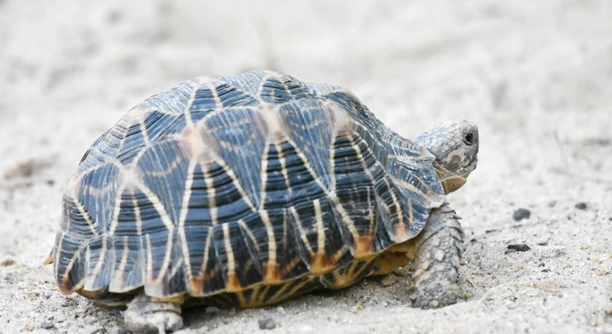
Creating a natural habitat for your turtle is essential for its well-being. A well-maintained tank can mimic the wild environment and provide comfort. There are simple steps you can take to make your turtle’s tank look more authentic.
To achieve a more natural appearance, focus on adding plants, rocks, and hiding spaces. Mimicking the turtle’s natural environment helps reduce stress and encourages natural behavior. Ensure proper water conditions and lighting to complete the ecosystem.
Enhancing the aesthetic of your turtle’s tank will improve both its look and your pet’s comfort.
Add Live Plants for a More Natural Look
Live plants are a great addition to your turtle’s tank. They not only improve the tank’s appearance but also offer hiding spots and places for your turtle to graze. You can choose from aquatic plants like anubias, java fern, or duckweed. These plants thrive in the same water conditions as your turtle, making them an ideal choice. Additionally, live plants help maintain the water’s balance by absorbing excess nutrients, which reduces algae growth. It’s important to choose plants that are safe for turtles, as some plants can be toxic if consumed.
Adding plants also provides mental stimulation for your turtle. They can interact with the plants, using them to hide or rest. Make sure to give the plants enough light to grow properly. Consider the size of your tank when selecting plants, as some varieties can grow quite large. Regularly trimming the plants will prevent them from overgrowing and disrupting the tank’s aesthetic. These plants will not only beautify the tank but create a more enriching environment for your turtle.
Create Hiding Spaces
Turtles are naturally shy animals. Adding hiding spots to your tank can help them feel secure. A small cave or submerged log offers a place for them to retreat. These spaces also provide a sense of privacy and reduce stress.
Hiding areas in the tank will make your turtle feel more comfortable, mimicking the safe spots they would use in their natural habitat.
Use Natural Substrate
Opt for natural substrates like river rocks or fine gravel instead of synthetic ones. This helps mimic the turtle’s natural habitat and supports the growth of beneficial bacteria. It also encourages the turtle to forage, which is part of its instinctual behavior. Choosing the right substrate is crucial for a healthy environment.
Ensure the substrate is easy to clean. A deep layer can trap debris, so it’s important to regularly vacuum the bottom of the tank. Avoid using sand or sharp objects that could harm your turtle. Natural substrates also add to the tank’s natural appearance, improving its overall aesthetic.
Substrates like smooth river rocks are a good choice since they provide a more natural feel and are gentle on your turtle’s feet. Additionally, make sure the substrate is not too deep, as it can lead to an imbalanced environment. Regular cleaning is essential to maintain a healthy ecosystem.
Include Driftwood for Structure
Driftwood can add a natural, rustic look to your turtle’s tank while providing climbing surfaces. It mimics the types of objects turtles would find in the wild, helping them feel more at ease. Driftwood also provides a surface for beneficial bacteria to colonize, improving water quality.
Select driftwood pieces that fit the scale of your tank. When adding driftwood, make sure to soak it first to prevent it from floating. The pieces should be placed in areas that allow your turtle to easily climb out of the water if needed. The texture and variety of driftwood pieces can also help create a more dynamic and engaging habitat for your turtle.
Add Aquatic Decorations
Aquatic decorations, such as rocks, caves, or small statues, can enhance the natural look of your turtle’s tank. These items provide shelter, climbing spots, and play areas. Just make sure the decorations are safe and free from sharp edges that could harm your turtle.
While adding decorations, ensure they don’t overcrowd the tank. Too many objects can make it difficult for your turtle to move freely. The goal is to create a balanced environment where your turtle feels both secure and active. Choose decorations that match the aesthetic of a natural aquatic habitat.
Maintain Proper Lighting
Proper lighting is essential for both the health of your turtle and the overall appearance of the tank. UVB lights simulate sunlight, helping your turtle synthesize vitamin D3, which is critical for calcium absorption. It also helps plants thrive and creates a natural day-night cycle.
Adjust the lighting to mimic natural sunlight as much as possible. Use a timer to ensure the light turns on and off at regular intervals, simulating the day-night cycle. UVB lights should be replaced regularly, as their effectiveness diminishes over time. A proper lighting setup will support your turtle’s health and create a more realistic atmosphere in the tank.
Provide Clean Water
Clean water is the foundation of a healthy tank environment. Regular water changes and proper filtration are key to maintaining a safe habitat. This ensures the water stays clear and free from harmful toxins. It’s essential to check the water quality frequently and adjust the filtration system as needed.
FAQ
What type of substrate is best for my turtle’s tank?
Natural substrates like river rocks, smooth pebbles, or fine gravel are ideal for a turtle’s tank. They resemble the environment your turtle would naturally encounter. Avoid using sand, as it can lead to digestion problems if ingested. Make sure the substrate is easy to clean and not too deep to trap waste or debris.
How do I keep the water clean in my turtle’s tank?
To maintain clean water, use a quality filtration system designed for turtles. Regular water changes are essential, typically around 25-30% of the water every two weeks. Make sure the filter is appropriate for the tank size. Test the water regularly for ammonia, nitrite, and nitrate levels to ensure the water is safe for your turtle.
What lighting do I need for my turtle’s tank?
UVB lighting is necessary for your turtle’s health. It helps them produce vitamin D3, which is essential for calcium absorption. Additionally, UVA lights simulate sunlight, providing heat and promoting natural behavior. Set up a timer to mimic the natural day-night cycle, and replace bulbs every 6-12 months to ensure proper UVB output.
Do turtles need a basking area?
Yes, turtles require a basking area where they can dry off and regulate their body temperature. The basking area should be positioned under a heat lamp, allowing your turtle to climb out of the water and bask in warmth. Ensure the temperature is between 85°F and 90°F for optimal basking conditions.
How often should I feed my turtle?
Turtles typically eat 2-3 times per week, but younger turtles may need more frequent feedings. Offer a balanced diet that includes both animal and plant matter. You can feed your turtle a mix of commercial turtle food, leafy greens, and protein sources such as insects or small fish. Be mindful of portion sizes to avoid overfeeding.
Can I use tap water in my turtle’s tank?
Tap water can be used, but it often contains chlorine and chloramine, which are harmful to turtles. If using tap water, treat it with a water conditioner designed to neutralize these chemicals. Alternatively, use filtered or distilled water to maintain a safe and healthy environment for your turtle.
How do I add decorations without affecting water quality?
When adding decorations, choose items that are safe for aquatic environments. Rinse all decorations thoroughly before placing them in the tank to remove any dirt or chemicals. Avoid using plastic items with sharp edges or decorations that can release harmful substances into the water. Regularly clean decorations to prevent algae buildup.
How can I tell if my turtle is stressed?
Signs of stress in turtles include reduced activity, loss of appetite, and excessive hiding. Stress can be caused by factors such as poor water quality, overcrowded tanks, or a lack of hiding spaces. Ensure your turtle has enough space, clean water, and a comfortable, secure environment to reduce stress.
Is it okay to house multiple turtles together?
While it’s possible to house multiple turtles together, it’s important to consider their size, species, and temperament. Some turtles may become territorial, especially during feeding time. Make sure there is enough space, and monitor interactions to avoid aggression. Providing plenty of hiding spots can help reduce conflicts.
How do I know if my turtle is healthy?
Healthy turtles are active, eat regularly, and have clear, bright eyes. Their shell should be smooth and free of cracks, sores, or soft spots. Monitor their behavior for signs of illness, such as lethargy, difficulty swimming, or changes in appetite. If you notice any unusual symptoms, consult a veterinarian.
What temperature should the water be for my turtle?
The water temperature should be between 75°F and 85°F for most species of turtles. This range ensures that your turtle is comfortable and able to digest food properly. Use a reliable aquarium heater to maintain the temperature and check it regularly with a thermometer. Avoid fluctuating temperatures, as they can stress your turtle.
Do turtles need a filter in their tank?
Yes, a filter is essential for keeping the water clean and healthy. Turtles produce waste that can quickly dirty the water. A good filter helps remove debris, toxins, and excess nutrients. Choose a filter rated for the size of your tank and clean it regularly to ensure proper water circulation and filtration.
What should I do if my turtle is not eating?
If your turtle is not eating, it may be due to stress, improper water conditions, or a health issue. Check the water temperature, water quality, and ensure your turtle’s tank is clean. Offer a variety of foods and avoid overfeeding. If the issue persists, it’s best to consult a veterinarian.
Final Thoughts
Creating a natural and comfortable environment for your turtle is essential for its overall well-being. Turtles thrive in habitats that closely resemble their natural surroundings. By focusing on factors like water quality, proper lighting, and appropriate decorations, you can help your turtle feel secure and healthy. The right balance of space, warmth, and cleanliness will allow your turtle to display its natural behaviors and live a longer, happier life.
It’s important to regularly monitor the tank’s conditions to ensure they remain optimal for your turtle. This includes checking the water temperature, pH levels, and cleanliness. Regular water changes and the proper filtration system are crucial for keeping the tank free from harmful toxins. Over time, you’ll notice how your turtle’s behavior improves in a well-maintained environment. A few simple adjustments can make a big difference in how your turtle interacts with its space, giving it both comfort and room to grow.
In the end, your turtle’s habitat should be both functional and visually appealing. Taking the time to design a tank that looks natural will not only benefit your turtle but also create a pleasant aesthetic in your home. With careful planning and consistent maintenance, you’ll have a thriving aquatic space where your turtle can live comfortably. Keep in mind that creating a healthy, natural environment is an ongoing process, but it’s well worth the effort.

Hello,
If you enjoy the content that we create, please consider saying a "Thank You!" by leaving a tip.
Every little bit helps us continue crafting quality advice that supports the health, happiness, and well-being of pets around the world, for pets of all shapes, sizes, and species.
We really appreciate the kindness and support that you show us!