
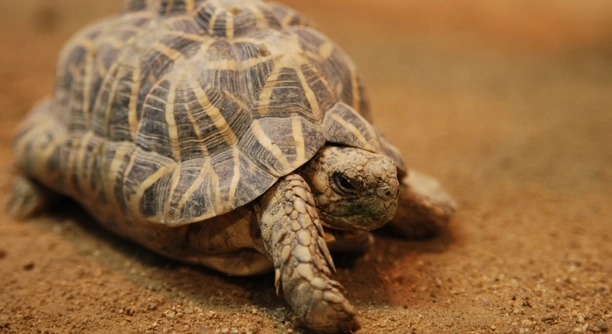
Turtles are wonderful pets, but they require the right environment to feel comfortable and thrive. Many factors contribute to their well-being, including their habitat and daily care routine. This article will share helpful tips to keep your turtle happy.
Creating a comfortable environment for your turtle involves proper habitat setup, a balanced diet, and regular maintenance. Providing adequate space, appropriate lighting, and clean water can significantly improve your turtle’s comfort and overall health.
By making a few simple adjustments, you can create a comfortable space where your turtle can feel at ease. These tips will help ensure that your turtle lives a happy, healthy life.
Provide the Right Habitat
Creating the ideal habitat for your turtle is crucial for its well-being. Turtles need a space that mimics their natural environment. This includes access to both land and water, depending on the species. A tank that is large enough for them to move around comfortably will ensure they are not stressed. The water should be clean and filtered, with the right temperature and pH level to prevent infections. You will also need a heat source, like a basking light, to provide warmth for your turtle when it needs to dry off and rest.
Ensure the habitat has places to hide, like rocks or plants, which can provide your turtle with a sense of security. This can help your turtle feel safe and reduce stress. Regularly check the cleanliness of the tank and change the water as needed to maintain a healthy environment. These small changes can significantly improve your turtle’s comfort and health.
Creating a habitat that is both functional and comforting should be one of your top priorities. It doesn’t have to be complicated but requires attention to detail.
Offer Proper Lighting and Heating
Proper lighting and heating are essential for your turtle’s health. Turtles need both UVB and UVA lighting to regulate their metabolism and calcium absorption. This helps with shell growth and overall health. A basking light is also necessary for creating a warm area where your turtle can rest and digest food properly.
If you don’t provide enough warmth or the right light, your turtle could become inactive, and its health could decline. Invest in quality bulbs and place them in the proper areas of the tank, keeping the basking zone warm. Regularly replace the bulbs, as they lose effectiveness over time.
Without the proper heat and light, your turtle won’t thrive. By maintaining the right conditions, you support its natural behaviors and improve its chances of living a long, healthy life.
Keep the Water Clean
Regularly cleaning the water is one of the most important steps to ensure your turtle feels comfortable. Turtles tend to be messy, and stagnant water can lead to illness. Invest in a good filtration system to help keep the water clean and clear. Make sure to change the water frequently and clean the tank thoroughly.
Clean water prevents bacteria from growing, which can cause skin infections or respiratory issues. In addition, always monitor the water temperature. Too hot or too cold water can stress your turtle, making it more prone to health issues. A water thermometer can help you maintain the right temperature range for your turtle’s species.
Cleaning your turtle’s tank regularly also means removing leftover food, feces, and other waste. This will help keep the environment healthy and prevent foul smells. Keeping the water fresh is essential for your turtle’s well-being.
Feed a Balanced Diet
Turtles need a diet that’s both nutritious and appropriate for their species. A well-balanced diet will help keep your turtle healthy, boost its immune system, and improve its overall comfort. Most turtles need a combination of protein and vegetables. You can provide them with commercial turtle food, supplemented with fresh veggies like kale or carrots.
To avoid overfeeding, stick to the recommended amount of food based on your turtle’s size and age. Offering too much food can cause obesity or digestive issues. Monitor their eating habits and remove uneaten food to prevent water contamination.
Giving your turtle a variety of foods will help them get the nutrients they need. The right balance in their diet also keeps their shell healthy and supports their growth. Avoid feeding them anything toxic, such as iceberg lettuce, which provides no nutritional value.
Provide Enough Space
Turtles need plenty of space to move around. A cramped tank can make them feel stressed and hinder their physical health. Choose a tank size that allows your turtle to swim freely and explore. The larger the space, the better.
If you keep more than one turtle, ensure they each have enough room. Overcrowding can lead to aggression and territorial issues. A spacious tank reduces these problems and helps your turtle feel secure in its environment. The more room your turtle has, the healthier and more comfortable it will be.
Maintain Proper Humidity Levels
Humidity plays an important role in keeping your turtle comfortable, especially for species that need a humid environment. A humidity level that’s too low can lead to dehydration and poor shedding. Use a hygrometer to monitor the humidity in the tank.
Mist the tank with water as needed to maintain the appropriate level. Some turtles also benefit from a humidity dome, which helps keep the environment moist. Regular monitoring will ensure that your turtle doesn’t suffer from dryness, which can affect its skin and health. Keeping the humidity right is key to a healthy habitat.
Give Your Turtle Quiet Time
Turtles are sensitive to noise and can easily become stressed. Provide a quiet, calm area for your turtle where it can rest without disturbances. Too much noise can affect your turtle’s behavior and eating habits. Make sure to place the tank away from high-traffic areas.
FAQ
How often should I clean my turtle’s tank?
You should clean your turtle’s tank at least once a week. This includes removing waste, uneaten food, and debris from the water. The filter should also be cleaned regularly to ensure it works efficiently. Depending on the size of your turtle and tank, you might need to clean the water more often. If your turtle produces a lot of waste, you may have to change the water two to three times a week to keep the environment healthy.
What is the best temperature for my turtle’s tank?
The ideal water temperature for most turtles is between 75°F and 80°F (24°C – 27°C). The basking area should be slightly warmer, between 85°F and 90°F (29°C – 32°C). Too cold or too hot of a temperature can make your turtle stressed or ill. Use a reliable aquarium heater to maintain a consistent temperature in the tank. Always monitor the water temperature with a thermometer to ensure it stays within the recommended range.
Can I feed my turtle the same food every day?
While it’s convenient, feeding your turtle the same food every day isn’t ideal. A varied diet is essential for your turtle’s health. Offer a mix of protein sources like worms, fish, and commercial turtle pellets, along with leafy greens and vegetables. Rotating the types of food will ensure your turtle gets all the nutrients it needs. Too much of the same food can lead to nutritional imbalances, so it’s important to mix things up.
Do turtles need UVB lighting?
Yes, UVB lighting is essential for turtles, especially those that spend time on land. UVB helps them synthesize vitamin D3, which is crucial for calcium absorption and shell health. Without UVB lighting, your turtle can suffer from metabolic bone disease, which weakens the bones and shell. Use a high-quality UVB bulb and make sure it’s placed close to your turtle’s basking area, replacing it every six months as it loses effectiveness over time.
How can I tell if my turtle is stressed?
Stress in turtles can show through changes in behavior. If your turtle is not eating, seems lethargic, or is hiding more than usual, these could be signs of stress. Stress can also cause physical symptoms, such as scratching at the tank walls or excessive basking. Common stressors include poor water quality, overcrowding, inappropriate temperatures, or too much noise. Identifying the source of stress and adjusting the environment can help relieve your turtle’s discomfort.
Why is my turtle not eating?
There are several reasons why a turtle might not eat. It could be due to stress, water temperature issues, or improper lighting. If the temperature is too low, your turtle may not feel hungry or active enough to eat. Another possibility is that it’s not feeling well. If your turtle refuses to eat for an extended period, it might be worth consulting with a vet to rule out any health problems. Changes in diet or environment can also temporarily affect a turtle’s appetite, so it’s worth observing other signs of discomfort.
Do turtles need a filter in their tank?
Yes, turtles need a filter in their tank. A filter helps keep the water clean by removing waste and debris. Turtles tend to be messy, so having a good filtration system is crucial to maintaining a healthy environment. Make sure the filter is suitable for the size of your tank and the number of turtles you have. Even with a filter, you’ll still need to change the water regularly to keep things in check.
How can I prevent my turtle from escaping its tank?
Turtles are surprisingly good at escaping if they can find a way out. To prevent escapes, ensure the tank has a secure lid that your turtle can’t climb or push open. Check for any gaps or weaknesses in the tank’s structure, especially if your turtle has grown larger or more adventurous. Some turtles can climb, so make sure the tank walls are high enough to discourage escape. Regularly inspect the setup to make sure it’s secure.
Can I keep multiple turtles together in the same tank?
Yes, but there are important considerations. Turtles are territorial, and keeping more than one in a tank can sometimes lead to aggression. If you decide to house multiple turtles together, make sure the tank is large enough to give each turtle space to claim its own area. You may also want to separate them during feeding times to avoid competition. Monitor their behavior closely for any signs of aggression or stress, and be prepared to separate them if needed.
How do I know if my turtle is healthy?
A healthy turtle is active, alert, and eating well. Its shell should be smooth, free from cracks or soft spots, and its eyes should be clear without any discharge. If your turtle is swimming normally, basking regularly, and interacting with its environment, it’s likely healthy. If you notice any changes in behavior, like lethargy, loss of appetite, or abnormal shell growth, it could be a sign of health issues. Consult a vet if you suspect your turtle is unwell.
How do I handle my turtle safely?
When handling your turtle, always support its body, especially its shell, with both hands. Avoid picking it up by its limbs or tail, as this can cause injury. If you need to move your turtle, gently scoop it up and keep it low to the ground to prevent drops. Keep handling to a minimum to reduce stress, and always wash your hands after touching your turtle, as they can carry bacteria.
What should I do if my turtle is shedding?
Turtles shed their skin as they grow, and it’s completely normal. However, if your turtle is shedding excessively or having trouble shedding, it could indicate a problem with its humidity or diet. Ensure the humidity level is appropriate, and consider increasing it slightly if needed. If the shedding seems abnormal, consult with a vet to rule out any health issues. Regular soaking can also help your turtle shed its skin more easily.
Can I take my turtle outside for some sun?
Yes, many turtles enjoy time outside in the sun. If you take your turtle outdoors, make sure it’s in a safe, enclosed area where it can’t escape or be exposed to predators. Allow your turtle to bask in natural sunlight for about 15 to 30 minutes, but never leave it unattended. It’s important to remember that turtles need both UVB light and warmth, so outdoor exposure can supplement their needs but shouldn’t replace their regular indoor lighting.
Final Thoughts
Taking care of a turtle requires attention to detail and a commitment to creating a comfortable environment for your pet. By providing a proper habitat, a balanced diet, and the right lighting and heating, you ensure that your turtle can thrive. Regular maintenance, such as cleaning the tank and monitoring the water quality, is also crucial in keeping your turtle healthy. Remember that turtles, like all pets, need time, patience, and effort to remain comfortable and happy.
It’s important to pay attention to the signs of stress or discomfort in your turtle. Changes in behavior, such as a lack of appetite or excessive hiding, can indicate that something in its environment needs adjusting. Regularly check the temperature, humidity, and water quality to avoid creating an environment that could cause health issues. By observing your turtle and making small adjustments when needed, you’ll help keep it feeling secure and comfortable.
Creating a space where your turtle feels at ease is not difficult, but it requires consistent care and a little research. With the right setup and attention, your turtle can live a long, healthy life. Keep learning about your turtle’s needs and make any changes to improve its comfort. Your turtle’s happiness will reflect the care and thought you put into providing the best environment possible.

Hello,
If you enjoy the content that we create, please consider saying a "Thank You!" by leaving a tip.
Every little bit helps us continue crafting quality advice that supports the health, happiness, and well-being of pets around the world, for pets of all shapes, sizes, and species.
We really appreciate the kindness and support that you show us!