
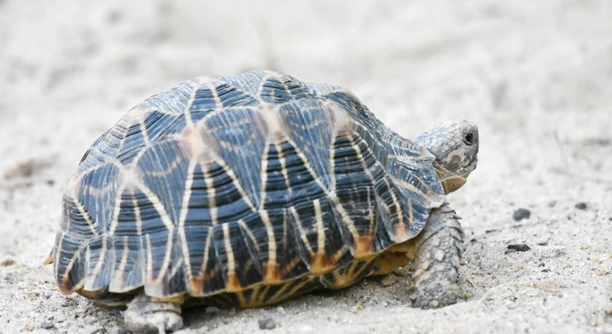
Turtles, like many pets, need specific care to feel safe and comfortable in their environment. Their well-being depends on proper housing, diet, and regular care. Understanding their needs can help create a healthier, happier life for your turtle.
To ensure your turtle is comfortable, focus on their habitat, temperature, diet, and socialization. A clean, spacious enclosure with the correct lighting and temperature can prevent stress. A balanced diet of fresh vegetables, and occasional protein, is essential for optimal health.
There are several simple yet effective ways to enhance your turtle’s comfort. These strategies will improve its living conditions and overall happiness.
Creating a Comfortable Habitat for Your Turtle
Turtles are most at ease when their habitat mimics their natural environment. Providing enough space for your turtle to swim, bask, and explore will help keep it active and healthy. The enclosure should have both a dry area and a water section. The water should be clean and maintained at an ideal temperature, usually between 75-85°F, depending on the species. Having a basking spot under a heat lamp helps regulate the turtle’s body temperature and allows it to dry off when needed.
A well-maintained habitat will reduce stress and promote comfort for your turtle. It’s important to use a filtration system to keep the water clean and avoid harmful bacteria buildup. Providing a safe, secure area for the turtle to bask ensures it can properly regulate its body temperature. Consider using natural items, like rocks and plants, to make the enclosure feel more like its natural surroundings.
Regular cleaning and proper water quality control are crucial in creating a stress-free environment for your turtle. Regular checks on the temperature and filtration system will keep the habitat comfortable and safe.
A Balanced Diet
Turtles require a varied diet to stay healthy. Their meals should consist of vegetables, fruits, and occasionally protein. Leafy greens like kale and dandelion greens are great options for feeding. Fresh water should always be available.
In addition to vegetables, turtles need protein to stay strong. Feed them insects, worms, or fish on occasion, but ensure the protein intake is not excessive. Be mindful of portion sizes and avoid overfeeding, as this can lead to obesity and other health issues. Rotating different food items will keep their diet interesting while providing essential nutrients.
Proper Temperature and Lighting
Turtles need proper temperature regulation to stay healthy. Their habitat should include both warm and cool areas, with a basking spot that reaches around 90°F. A UVB light is also necessary for proper calcium absorption.
UVB light mimics the sun and helps turtles produce vitamin D3, which is vital for shell and bone health. Without it, turtles can develop metabolic bone disease. You’ll need to provide both a heat lamp and a UVB light that runs for about 10-12 hours each day. Ensure the basking area reaches the right temperature for optimal health.
The heat lamp should be positioned directly above the basking area to provide warmth while the UVB light should be placed in a way that it covers the entire enclosure. Regular monitoring of temperatures with a thermometer ensures that your turtle is not exposed to harmful conditions, preventing stress or illness.
Socialization and Interaction
While turtles are generally solitary animals, they can still benefit from gentle interaction with their owners. Spending time with them can help establish a sense of security in their environment.
You don’t need to handle your turtle constantly, but a little interaction each day can help it feel more comfortable. Turtles can become accustomed to their owners’ presence and even recognize them over time. Gentle handling is important if you do decide to interact with them to avoid stressing them out. Be sure not to overstimulate or over-handle, as this can make them feel threatened.
Letting your turtle roam outside of its enclosure for a short time can also encourage positive interactions. Just make sure the area is safe and escape-proof, and that it’s a stress-free experience for your turtle.
Clean and Safe Environment
Maintaining a clean environment is key to your turtle’s comfort. Regularly clean the tank and change the water to prevent bacteria buildup. This will help reduce the risk of illness.
Use a reliable filtration system to keep the water clean and fresh. Check the filtration system regularly to ensure it’s functioning properly. A clean tank not only promotes health but also makes the habitat more enjoyable for your turtle. Cleaning the tank can be a weekly task depending on the size of the enclosure and number of turtles.
Providing Hiding Spots
Turtles appreciate having hiding spots within their enclosure. This helps them feel safe and secure. Simple items like small caves, rocks, or even plants work well.
Hiding spots give your turtle a place to retreat when it feels stressed or overwhelmed. It’s important to make sure these spaces are easily accessible. You can arrange natural elements in the tank to create a comfortable hiding spot without overcrowding the space.
FAQ
How do I know if my turtle is comfortable?
A comfortable turtle will have a healthy appetite, swim regularly, and spend time basking under a heat source. It will also be active and curious. If your turtle hides often or appears lethargic, this could be a sign of stress or discomfort. Pay attention to their eating habits and overall behavior.
What temperature should I keep my turtle’s enclosure?
The temperature should be around 75-85°F for the water, with a basking spot reaching 90°F. The night temperature can drop slightly, but it should never fall below 70°F. It’s important to maintain a proper temperature gradient within the enclosure, offering both a warm and cool area for the turtle to regulate its body temperature.
How often should I clean my turtle’s tank?
Tank cleaning depends on the size of the tank and the number of turtles you have. For smaller tanks, aim to clean it once a week. If your turtle’s habitat is larger, you may only need to clean it every two weeks. Always monitor the water quality and change it as needed to maintain cleanliness.
Can I feed my turtle just vegetables?
While vegetables are an important part of your turtle’s diet, they shouldn’t be the only food source. Turtles also need protein, which can be provided through insects, worms, or occasional fish. A varied diet ensures they receive all the nutrients necessary for growth and health.
Is it necessary to provide UVB lighting for my turtle?
Yes, UVB lighting is essential for turtles. It helps them produce vitamin D3, which is crucial for calcium absorption and overall bone health. Without UVB light, turtles can develop metabolic bone disease, which can cause deformities and other health problems. Keep the UVB light on for 10-12 hours a day.
How can I make my turtle feel less stressed?
To reduce stress, provide a clean, safe, and properly lit environment. Ensure your turtle has both a basking area and enough space to swim. Avoid sudden movements and excessive handling. Try to create a quiet, peaceful space where your turtle can retreat when it feels overwhelmed.
How long do turtles live in captivity?
Turtles can live a long time in captivity, often reaching 30-50 years or more, depending on the species. Proper care, including a balanced diet, correct lighting, and temperature, will help them live a longer, healthier life. Regular vet check-ups are also important for longevity.
Can turtles live together?
Some turtles can live together peacefully, while others may become territorial. It’s important to monitor their behavior and make sure they’re not fighting or stressing each other. If you notice aggression, separate them to prevent injury. Make sure each turtle has enough space to feel secure.
What should I do if my turtle’s shell looks damaged?
If your turtle’s shell is cracked or damaged, it’s important to take it to a veterinarian immediately. Shell injuries can become infected, so it’s essential to address them quickly. A vet will assess the damage and recommend the best course of treatment, which may include antibiotics or shell repairs.
How do I handle my turtle?
Handle your turtle gently, supporting its body fully with both hands. Avoid picking it up by the tail, as this can cause stress or injury. Limit handling to a few times a week, as excessive handling can be stressful. Let your turtle feel comfortable with your presence first.
Final Thoughts
Creating a comfortable environment for your turtle is essential for its well-being. Turtles need specific conditions to thrive, such as proper temperature, clean water, and UVB lighting. Providing these elements ensures that your turtle can maintain good health and stay active. The more attention you give to these factors, the more likely your turtle will adapt and feel comfortable in its habitat.
Additionally, making sure your turtle has access to food that is balanced and varied is important. While vegetables should be a regular part of their diet, it’s essential to include proteins like insects or fish for complete nutrition. Over time, you’ll learn what your turtle enjoys eating and how to adjust its diet accordingly. Keep an eye on its behavior and make sure it’s not showing signs of stress or discomfort. If it is, try adjusting the temperature, food, or tank environment until you see improvement.
Lastly, interacting with your turtle in a calm and gentle manner can help it feel more comfortable around you. While turtles are naturally independent, a little attention each day can build trust and make them feel secure. With the right balance of care, your turtle will have a safe and pleasant living space that encourages long-term health and happiness. The effort you put into their care will be worth it when you see them thriving.

Hello,
If you enjoy the content that we create, please consider saying a "Thank You!" by leaving a tip.
Every little bit helps us continue crafting quality advice that supports the health, happiness, and well-being of pets around the world, for pets of all shapes, sizes, and species.
We really appreciate the kindness and support that you show us!