
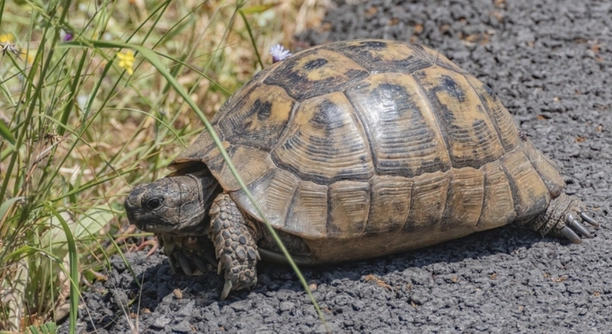
Creating a comfortable and natural habitat for your Russian tortoise is essential for its health and well-being. Properly designed enclosures mimic their natural environment and provide the necessary stimulation for their mental and physical development.
To make your Russian tortoise’s habitat more natural, focus on creating a space with appropriate lighting, temperature, humidity, and space for digging. Adding natural elements like rocks, plants, and hiding spots can enhance the environment and promote natural behaviors.
Ensuring the habitat closely resembles the wild will help your tortoise thrive. Implementing these changes not only improves their quality of life but also supports their overall health and happiness.
Provide Proper Lighting and Temperature
Your Russian tortoise needs proper lighting to regulate its daily activity cycle. Use a UVB light to mimic natural sunlight. UVB light is crucial for synthesizing vitamin D3, which helps in calcium absorption and bone health. Along with proper UVB light, maintain a heat source that can create a basking area. The temperature in the habitat should vary, with a basking area reaching around 90°F, while the cooler part should stay between 70-80°F.
A light cycle that mimics day and night is also important for your tortoise’s health. Use a timer to regulate the lights, ensuring a consistent schedule. This helps maintain their natural rhythm and promotes healthy behaviors like eating, resting, and exploring.
The right lighting and temperature combination will ensure your Russian tortoise remains active, healthy, and comfortable. By creating a balanced environment, you allow them to live as naturally as possible, mimicking the warmth and sunlight they would experience in their native habitat.
Add Natural Substrate for Digging
Adding the right substrate encourages your Russian tortoise’s natural digging instincts.
Provide a mix of coconut fiber, sand, and soil to allow your tortoise to dig comfortably. This substrate encourages natural behaviors like burrowing, which help them regulate their body temperature and provides mental stimulation.
Include Hiding Spots and Shelters
Hiding spots are essential for your Russian tortoise’s well-being. They provide a place to rest and reduce stress. You can use caves, logs, or even simple cardboard boxes. Just make sure the hiding areas are large enough for your tortoise to move around comfortably.
These hiding spots not only reduce stress but also give your tortoise a safe place to retreat when it feels threatened. Russian tortoises are naturally shy and prefer having the option to hide. Offering multiple hiding spaces can make the environment feel more secure, which will lead to healthier behaviors.
Ensure that the hiding spots are placed in areas that match the tortoise’s preferences for warmth or coolness. This allows them to regulate their body temperature while staying hidden. It’s important to create a balanced environment where your tortoise feels protected and comfortable, promoting overall well-being.
Provide Live Plants for Grazing
Including live plants in the habitat is another way to enhance your tortoise’s environment. They offer natural food options, encourage foraging, and can improve the overall aesthetics of the space.
Choosing safe, edible plants is key. Some good options include dandelions, clover, and collard greens. These plants provide essential nutrients and help maintain a healthy digestive system. The plants also create a more natural setting, encouraging your tortoise to explore and interact with its surroundings.
To keep the plants thriving, make sure they are placed in an area where they get proper light. Ensure they are safe for your tortoise and are pesticide-free. This will not only benefit your tortoise’s diet but also contribute to the overall natural atmosphere of the habitat.
Add Rocks and Climbing Structures
Rocks and climbing structures mimic natural environments, providing enrichment. They give your tortoise places to explore, climb, and hide. Ensure the rocks are stable and non-sharp to prevent injury. The variety in terrain also makes the habitat more stimulating for your tortoise.
Use rocks of different sizes to create a natural landscape. These rocks allow your tortoise to exercise and dig. Climbing structures, such as ramps or logs, also encourage movement and prevent boredom. A variety of textures and elevations keeps the tortoise active and engaged with its environment, which supports its physical and mental health.
Maintain Proper Humidity Levels
Humidity plays a crucial role in your Russian tortoise’s habitat. The ideal humidity range is between 40% and 60%. Too much or too little humidity can cause health problems, such as respiratory issues or dehydration.
Check the humidity regularly with a reliable hygrometer. Make adjustments using a spray bottle to increase humidity or a dehumidifier to reduce it. Maintaining the right humidity level ensures your tortoise’s skin stays healthy and its environment remains comfortable. This simple step helps to recreate the conditions your tortoise would find in the wild.
Offer Fresh Water Daily
Always provide fresh water in your Russian tortoise’s habitat. Tortoises may not drink as much as other pets, but access to clean water is still essential for hydration.
A shallow water dish is ideal for your tortoise, as it allows for easy access while preventing drowning. Change the water daily to keep it fresh and free of contaminants. This small yet important addition will support your tortoise’s overall health and well-being.
FAQ
How often should I clean my Russian tortoise’s habitat?
Cleaning your Russian tortoise’s habitat should be done weekly, at minimum. Remove any uneaten food, waste, and soiled bedding regularly. Spot cleaning daily is also recommended to maintain a healthy environment. A deep clean every month or so involves removing all substrate, cleaning surfaces, and replacing with fresh materials.
What temperature should my Russian tortoise’s habitat be?
Your Russian tortoise’s habitat needs a gradient of temperatures. The basking area should reach around 90°F, while the cooler side should be between 70°F and 80°F. This allows the tortoise to regulate its body temperature by moving between warmer and cooler areas.
Can I keep more than one Russian tortoise together?
It’s generally not recommended to keep multiple Russian tortoises together, especially males. They can become territorial, leading to stress and aggression. If you do decide to keep more than one, ensure there is plenty of space and hiding spots to reduce the chances of conflict.
What type of lighting do I need for my Russian tortoise?
Your Russian tortoise needs a UVB light to mimic sunlight and promote healthy bone growth. Use a bulb specifically designed for reptiles, and ensure it’s on for about 10 to 12 hours a day. Additionally, a heat lamp is necessary for basking, keeping the habitat warm.
What should I feed my Russian tortoise?
Russian tortoises are herbivores and primarily eat leafy greens like dandelion greens, kale, and collard greens. They can also consume some flowers, such as hibiscus and clover. Avoid feeding them high-oxalate foods like spinach, which can cause kidney problems over time.
How much space does my Russian tortoise need?
A Russian tortoise requires ample space to roam. A minimum of 40 gallons is ideal for one tortoise, but larger enclosures are always better. Providing more space allows the tortoise to explore, climb, and burrow, promoting natural behaviors.
How do I keep my Russian tortoise hydrated?
While Russian tortoises may not drink from a bowl as often, they still need access to fresh water. Provide a shallow water dish and change it daily. You can also mist the substrate to help maintain humidity levels and encourage hydration through absorption.
Can I use sand in my Russian tortoise’s habitat?
A small amount of sand mixed with soil can be used in your Russian tortoise’s enclosure. However, avoid using large amounts of sand, as it can cause impaction if ingested. Opt for a mix of soil, coconut fiber, and sand for a more natural feel.
Is it okay to use artificial plants in the habitat?
Artificial plants are fine for decoration but avoid using them as a food source. They can make the habitat look more appealing and provide hiding spots. However, be cautious about sharp edges that could harm your tortoise. Stick to safe, soft materials.
What kind of substrate should I use for my Russian tortoise’s habitat?
The ideal substrate mix for a Russian tortoise habitat is a combination of organic soil, coconut fiber, and sand. This allows your tortoise to dig and burrow while keeping the habitat comfortable. Avoid cedar or pine wood shavings, as they can release harmful oils.
How do I know if my Russian tortoise is stressed?
Signs of stress in your Russian tortoise can include a lack of appetite, excessive hiding, or aggression. If your tortoise is frequently trying to escape its habitat or not eating, it could be a sign of stress. Check the habitat conditions to ensure they are suitable.
Do Russian tortoises need a humid environment?
Russian tortoises do not require high humidity levels, but it’s important to keep the habitat’s humidity between 40% and 60%. Too much moisture can lead to respiratory problems, while too little can cause dehydration. Use a hygrometer to monitor the humidity regularly.
Can I feed my Russian tortoise fruits?
While fruits can be offered as an occasional treat, they should not make up a large portion of your tortoise’s diet. Fruits are high in sugar and can cause digestive issues. Offer small amounts of fruits like berries or melons, but focus on leafy greens and vegetables.
What is the lifespan of a Russian tortoise?
Russian tortoises can live for 40 to 50 years with proper care. They are long-lived animals, so it’s important to ensure that their habitat and diet are carefully managed to support their health throughout their life.
How do I breed Russian tortoises?
Breeding Russian tortoises requires careful planning. Ensure that both the male and female are healthy and mature enough for breeding, typically around 5 to 7 years old. Provide ample space, proper lighting, and temperature control. Female tortoises often lay eggs in hidden burrows or nests.
Are Russian tortoises active at night?
Russian tortoises are primarily diurnal, meaning they are active during the day and rest at night. They will bask under their heat lamp during the day and forage for food. Ensure the lighting cycle is consistent to promote their natural day-night rhythm.
Can I take my Russian tortoise outside?
Yes, you can take your Russian tortoise outside, but only when the weather is warm. Ensure the area is secure, so your tortoise doesn’t escape. Avoid exposing them to pesticides or toxic plants. Supervise them closely to ensure they don’t get too hot or cold.
Final Thoughts
Creating a natural habitat for your Russian tortoise is essential for its well-being. By making simple adjustments like adding rocks, climbing structures, and maintaining the right temperature and humidity, you provide an environment that supports their natural behaviors. These changes not only improve their physical health but also enrich their lives, giving them opportunities to exercise and explore.
Ensuring your tortoise has access to fresh water, proper food, and an appropriate substrate is also crucial. Regular cleaning, along with providing spaces for your tortoise to dig and hide, will keep them comfortable and stress-free. The goal is to recreate the conditions they would experience in the wild, which will help prevent health issues. Offering a variety of textures and features within the habitat keeps the tortoise stimulated and satisfied.
Lastly, always pay attention to your tortoise’s behavior. If you notice signs of stress, it may be a sign that adjustments are needed. By keeping a close eye on your tortoise’s needs and making necessary changes, you ensure it remains healthy and happy in its environment. With a little attention to detail and care, your Russian tortoise will thrive in its new, more natural habitat.

Hello,
If you enjoy the content that we create, please consider saying a "Thank You!" by leaving a tip.
Every little bit helps us continue crafting quality advice that supports the health, happiness, and well-being of pets around the world, for pets of all shapes, sizes, and species.
We really appreciate the kindness and support that you show us!