
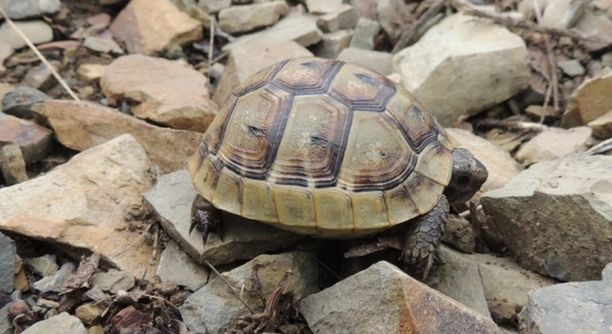
Moving a Russian tortoise to a new home can be a big change for both you and your pet. Ensuring their comfort and safety is key for their well-being. Here are seven helpful ways to make them feel secure in their new environment.
To help your Russian tortoise feel safe, create a calm, stable environment with appropriate lighting, temperature, and hideouts. Gradually introduce them to their new space, offer fresh food, and handle them gently to build trust and comfort.
These tips will ensure your tortoise adjusts smoothly, allowing them to feel secure and thrive in their new home.
Provide Proper Lighting and Temperature
Ensuring your Russian tortoise’s habitat has the correct lighting and temperature is crucial to their safety. Russian tortoises require a temperature range of 75–85°F (24–29°C) during the day, with a basking spot around 90°F (32°C). At night, it’s important for the temperature to drop to about 70°F (21°C). UVB lighting is essential for their health, as it helps them absorb calcium and prevents shell deformities. A good heat lamp and UVB light should be placed in a location where your tortoise can move between warmer and cooler areas as needed.
Proper lighting and temperature regulate their activity levels and overall well-being. If the habitat temperature is too low or inconsistent, your tortoise may become stressed or inactive. Likewise, a proper light cycle of 12 hours on and 12 hours off mimics natural day and night patterns. This helps your tortoise feel comfortable and maintain a healthy sleep cycle.
Maintaining the right environment encourages natural behaviors, allowing your tortoise to feel secure and relaxed. This stable setting will significantly aid in their adjustment to a new home.
Offer Safe Hiding Spaces
Your Russian tortoise will benefit from having a few hiding spots in their habitat. This gives them a sense of security. Use materials like rocks, logs, or even small shelters for them to retreat to when they feel the need.
A secure hiding spot lets your tortoise rest without feeling exposed. It’s essential to include these areas in their enclosure, especially in the beginning stages of settling in. When they feel stressed or unsure, they will seek refuge in their hideouts.
Handle Them Gently
When handling your Russian tortoise, it’s important to be slow and gentle. Sudden movements or rough handling can cause stress, making them feel unsafe. Always support their body with both hands to avoid dropping them.
The way you handle your tortoise directly impacts their comfort in their new environment. Hold them low to the ground when taking them out of their enclosure to minimize the risk of injury. Giving them time to adjust to your presence before picking them up can also help them feel more secure.
Regular, gentle handling can build trust between you and your tortoise, but it’s crucial to keep sessions brief at first. Let them explore at their own pace, and avoid overwhelming them with too much attention right away. This way, they will feel safer and more relaxed over time.
Provide Fresh, Balanced Diet
A fresh, balanced diet contributes to your Russian tortoise’s well-being and helps them feel comfortable in their new space. Offer leafy greens, vegetables, and some fruit to ensure they get the nutrients they need.
Consistency is key in their diet. Ensure food is fresh and clean every day. Remove uneaten food after a few hours to prevent mold or bacteria growth. A varied diet keeps them interested in eating and prevents boredom, which can lead to stress. Make sure they always have access to fresh water in a shallow dish to prevent drowning.
Having a stable, healthy diet routine gives your tortoise a sense of security, knowing they will be well cared for. Their digestive system and overall health will thrive when they are provided with the right foods.
Create a Quiet, Calm Environment
Avoid loud noises or sudden movements near your Russian tortoise’s enclosure. Tortoises are sensitive to their surroundings, and loud sounds can cause unnecessary stress. Keep their space away from high-traffic areas.
By reducing noise, your tortoise can relax and adjust to their new home without feeling threatened. A calm atmosphere helps them settle in more quickly and encourages natural behaviors. Creating a peaceful environment also supports their overall health and reduces the risk of stress-related health issues.
Offer Gradual Exploration Time
Allow your tortoise to explore their new habitat at their own pace. Start by giving them time to roam within a smaller area and gradually expand it as they become more comfortable.
This gradual introduction allows your tortoise to familiarize themselves with their surroundings without overwhelming them. Providing a slow, safe introduction to new areas ensures they don’t feel rushed or scared. It also helps them learn where to find food and shelter, which increases their confidence and comfort.
Monitor Their Health Regularly
Monitoring your Russian tortoise’s health is vital to their well-being. Keep an eye on their eating habits, movement, and overall activity. If anything seems off, act quickly.
Observing your tortoise closely ensures that any health issues are detected early. It’s important to keep track of any changes in their behavior, as these can signal health problems. Regularly check their shell for cracks or soft spots, as well as their eyes and mouth for any signs of infection. If you notice any concerns, seek veterinary care immediately.
FAQ
How long does it take for a Russian tortoise to adjust to a new home?
Adjusting to a new home can take time, usually between a few days to a couple of weeks. Russian tortoises are naturally shy and may take some time to feel safe in their new environment. The key is to provide a stable and calm space for them to explore. With proper care, they should gradually become more comfortable in their new habitat.
What temperature does my Russian tortoise need?
Russian tortoises need a daytime temperature range between 75°F to 85°F (24°C to 29°C). They should have a basking area that reaches around 90°F (32°C). At night, the temperature should drop to about 70°F (21°C). Using a thermometer to monitor these temperatures will help maintain a suitable environment.
Can I handle my Russian tortoise immediately after bringing it home?
It’s best to give your tortoise some time to adjust before handling it. Try to avoid handling them within the first few days. Once they begin to explore their habitat and show signs of curiosity, you can gently handle them. Always keep the sessions brief and calm.
Should I provide UVB lighting for my Russian tortoise?
Yes, UVB lighting is essential for your Russian tortoise’s health. It helps them metabolize calcium and prevents shell deformities. Make sure the UVB bulb is replaced regularly, as its effectiveness decreases over time, even if the light still works. Ensure the light is positioned correctly to cover a significant portion of their habitat.
What should I feed my Russian tortoise?
A balanced diet is crucial for your Russian tortoise’s health. Offer a variety of leafy greens like dandelion greens, collard greens, and mustard greens. You can also add vegetables like bell peppers, squash, and carrots. Limit fruit as a treat, as too much sugar can cause health issues. Fresh water should always be available.
How do I set up a proper enclosure for my Russian tortoise?
Start with a large enough enclosure that allows your tortoise to move around freely. Include hides, basking spots, and a shallow water dish. Substrate like organic topsoil or coconut coir is ideal. Make sure to include a UVB light and heat source, and ensure the enclosure is escape-proof.
How do I know if my Russian tortoise is stressed?
Signs of stress in a Russian tortoise may include hiding more than usual, not eating, or becoming lethargic. If your tortoise suddenly changes behavior or refuses food for more than a few days, it could be a sign of stress. Check their environment for possible stressors like temperature changes, handling, or excessive noise.
Can Russian tortoises live with other pets?
Russian tortoises should generally be housed alone to avoid potential conflicts or stress. While they are usually peaceful, housing them with other pets could lead to aggression, competition for food, or injury. It’s best to keep them in a quiet, private space where they can feel secure.
Is it safe to let my Russian tortoise roam outside?
You can let your tortoise roam outside in a safe, enclosed area during warm weather. However, be sure the space is secure and free from predators. Always supervise your tortoise and bring them inside before the temperature drops in the evening. It’s important not to expose them to any harmful chemicals or plants while outdoors.
What do I do if my Russian tortoise isn’t eating?
If your tortoise isn’t eating, check the temperature and humidity levels in their enclosure. Stress, improper lighting, and temperature issues can lead to a loss of appetite. Try offering fresh, varied food, and avoid overhandling. If they refuse to eat for more than a few days, consult a vet.
Final Thoughts
Caring for a Russian tortoise can be a rewarding experience, but it requires attention to detail and patience. They are not as demanding as some other pets, but their basic needs must still be met for them to thrive. Ensuring that their environment is stable, comfortable, and free of stress is essential for their well-being. By providing the right conditions, such as appropriate lighting, temperature, and food, you can help your tortoise settle into its new home with ease.
Building trust with your Russian tortoise is key. They are naturally shy creatures, and it may take time for them to feel comfortable around you. Gradually introducing them to their new environment, limiting handling in the beginning, and observing their behavior will help you understand when they are ready for more interaction. Offering them a calm, secure space to explore on their own can also boost their confidence and comfort.
Remember that monitoring your tortoise’s health is an ongoing process. Keep an eye on their eating habits, movement, and behavior for any signs of distress or illness. Regular health checks and making necessary adjustments to their habitat can help avoid any long-term problems. With proper care, your Russian tortoise will not only feel safe but also lead a healthy and happy life in its new home.

Hello,
If you enjoy the content that we create, please consider saying a "Thank You!" by leaving a tip.
Every little bit helps us continue crafting quality advice that supports the health, happiness, and well-being of pets around the world, for pets of all shapes, sizes, and species.
We really appreciate the kindness and support that you show us!