
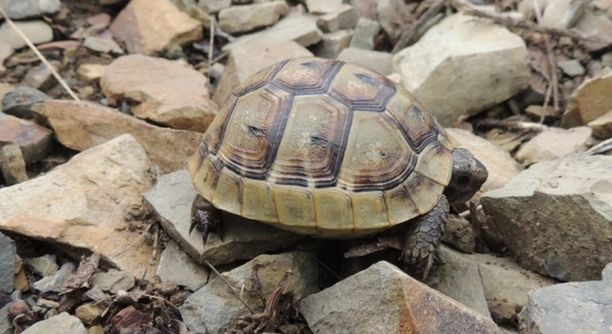
A Russian Tortoise makes a wonderful pet, but to ensure your tortoise thrives, it’s essential to make its environment comfortable. Adjusting certain factors in its habitat can improve its health and happiness. Here are seven easy ways to help.
Providing the right temperature, lighting, space, and diet are key to making your Russian Tortoise feel comfortable. A warm, well-lit environment, combined with appropriate shelter and proper nutrition, will ensure your tortoise feels safe and secure.
Small changes in your tortoise’s living conditions can make a big difference. Ensuring your pet feels at ease can promote a healthier and happier life. Keep reading for simple steps to improve your Russian Tortoise’s comfort.
Provide the Right Temperature
The temperature is one of the most crucial factors for your Russian Tortoise’s comfort. This species thrives in warm environments, typically between 75-85°F (24-29°C) during the day. At night, the temperature can drop a bit but should not go below 65°F (18°C). A temperature gradient in the enclosure, with a basking spot of around 90°F (32°C), helps them regulate their body heat. Without proper warmth, your tortoise may become lethargic, lose appetite, or even become sick. You can achieve this by using heat lamps and ceramic heat emitters to create the necessary environment.
It’s important to monitor these temperatures regularly, using a thermometer designed for reptile habitats. Constant temperature fluctuations can stress your pet, making it hard for them to adjust and feel secure. Maintaining a steady environment will promote their natural behaviors, including eating, moving, and exploring.
Maintaining the right temperature isn’t just about warmth; it’s about creating a balance that mimics their natural habitat. A stable, consistent environment allows your tortoise to thrive and stay healthy, reducing the chances of stress and discomfort.
Lighting Matters for Your Tortoise
Lighting is just as important as temperature for your tortoise. Exposure to proper UVB lighting is essential for their health, as it helps them produce vitamin D3, which aids in calcium absorption. Without UVB light, your tortoise may suffer from metabolic bone disease and other health issues.
Make sure your tortoise has access to UVB lighting for around 10-12 hours a day. You can use a fluorescent bulb specifically designed for reptiles. This will provide the right spectrum of UVB rays your tortoise needs. If you’re using natural sunlight, ensure they have time to bask outdoors but always supervise them to prevent overheating or other risks.
With proper lighting, your Russian Tortoise can properly digest food and maintain healthy bone structure. It will also help regulate their sleep cycle, keeping them more active and engaged throughout the day. Consistent exposure to both heat and UVB light provides a well-rounded environment that encourages your pet to stay healthy.
Proper Space is Essential
Your Russian Tortoise needs enough space to roam and explore. A small enclosure can lead to stress and make your tortoise feel trapped. A minimum of a 40-gallon tank or a larger outdoor enclosure with a secure, predator-free area is ideal.
Having ample space also allows for a natural, varied environment that promotes exercise. In the wild, Russian Tortoises travel long distances, so they need room to move freely in captivity. A larger area encourages activity, which is important for their overall health. You can even add different textures like rocks and logs for climbing, providing a more stimulating environment.
A spacious setup also makes it easier to regulate temperature and humidity levels. In smaller tanks, maintaining proper conditions is harder, which can negatively impact their well-being. Your tortoise will feel less stressed and more comfortable with a larger space, allowing them to exhibit more natural behaviors.
The Right Diet for Comfort
A healthy diet is another essential part of making your tortoise feel comfortable. Russian Tortoises are herbivores, and they thrive on a variety of leafy greens, flowers, and grasses. Avoid feeding them too much fruit, as it can upset their digestion and lead to health problems.
Offer your tortoise a mix of dandelion greens, collard greens, and other non-toxic plants. It’s also good to add high-fiber hay, like timothy hay, to their diet. Fresh water should always be available, as dehydration can cause serious health issues. Try to avoid feeding them foods that are too rich in calcium, as excess calcium can lead to kidney problems over time.
By providing a balanced and varied diet, you help your Russian Tortoise maintain a healthy weight and prevent digestive issues. A well-fed tortoise will be more active and less prone to health problems, helping them feel comfortable in their environment.
Humidity Control
Maintaining proper humidity levels is crucial for your tortoise’s comfort. Too much humidity can lead to respiratory problems, while too little can cause dehydration. A range of 40-60% is ideal.
Ensure your enclosure has areas with different humidity levels, which allows your tortoise to find a comfortable spot. You can use a hygrometer to measure the humidity. If the air is too dry, mist the enclosure or add a water dish to help maintain the right balance.
Proper humidity also supports their skin shedding process. It prevents dryness and helps keep your tortoise comfortable, promoting overall well-being.
Comfortable Substrate
The type of substrate you use can greatly impact your tortoise’s comfort. Choose something that is absorbent, easy to clean, and safe for your pet. Avoid pine or cedar wood shavings, as they can cause respiratory issues.
Consider using coconut coir, organic soil, or aspen bedding. These substrates provide a natural feel and help maintain proper humidity levels. A comfortable substrate allows your tortoise to burrow and dig, simulating their natural environment. Keeping it clean and dry prevents the buildup of harmful bacteria. A proper substrate supports your tortoise’s health, making them feel more secure.
Enclosure Enrichment
Your Russian Tortoise needs more than just space; they also need enrichment to stay active and engaged. Adding items like hides, rocks, and logs will encourage exploration. These additions give them places to retreat when they feel stressed, and climbing opportunities to promote exercise.
Tortoises are naturally curious, so providing different textures and surfaces will keep them mentally stimulated. Hide some food in these structures to encourage foraging. Enrichment also prevents boredom, which can lead to health problems or stress. It’s essential to regularly change or rearrange the habitat to keep things interesting for your pet.
FAQ
How often should I feed my Russian Tortoise?
Your Russian Tortoise should be fed daily, but the amount can vary based on their age and size. For younger tortoises, offer food once a day. For adults, you can feed them every other day, especially if they are less active in colder weather. The goal is to provide enough food that they finish it in about 15-30 minutes. Avoid overfeeding, as tortoises are prone to obesity, which can cause health issues.
What kind of plants can I feed my Russian Tortoise?
Russian Tortoises eat a variety of leafy greens and plants. Safe options include dandelion greens, collard greens, turnip greens, mustard greens, and plantain leaves. You can also give them safe flowers like hibiscus or geraniums. Avoid any plants that may be toxic to reptiles, such as lilies, daffodils, and oleander. Make sure to avoid pesticide-treated plants. Fresh, untreated grass and hay should also be included regularly in their diet for fiber.
Can I keep my Russian Tortoise outdoors?
Yes, Russian Tortoises can live outdoors as long as you provide a safe, secure environment. Make sure the enclosure is well-fenced to prevent escapes and that it’s free from predators. The outdoor space should be kept dry, have access to sunlight for UVB exposure, and have shaded areas for them to cool down. You should also ensure that the ground is soft enough for burrowing and that there is no standing water where they can drown. In colder climates, bring them inside during the winter months to avoid hypothermia.
How can I tell if my Russian Tortoise is stressed?
Common signs of stress in Russian Tortoises include lack of appetite, excessive hiding, abnormal behaviors like pacing or scratching at the walls of the enclosure, and lethargy. Stress can be caused by various factors such as poor temperature or lighting, overcrowded enclosures, or insufficient food and water. If you notice any of these signs, check their environment and make sure it meets their needs. A stressed tortoise may also stop eating, which is a clear sign that something is wrong.
What is the best substrate for a Russian Tortoise?
The best substrate for your Russian Tortoise should be absorbent and safe. Coconut coir is an excellent choice as it retains moisture and allows for burrowing. Organic soil, as long as it’s free from pesticides, is also a good option. Avoid using pine or cedar bedding, as they can release harmful oils that may irritate their respiratory system. It’s important to clean the substrate regularly to maintain a healthy environment.
How do I make sure my Russian Tortoise gets enough calcium?
Calcium is vital for your Russian Tortoise’s bone health. To ensure they get enough, provide a calcium supplement, either in the form of a powdered supplement or a calcium block in their enclosure. You should also include calcium-rich foods in their diet, such as dandelion greens, collard greens, and mustard greens. Be sure to dust their food lightly with a calcium supplement every few days, especially if they are not eating enough calcium-rich plants. A UVB light will also help them absorb calcium more effectively.
Is it necessary to give my Russian Tortoise a soak?
Yes, soaking your tortoise is important, especially if it is not drinking enough water. You can soak them in lukewarm water for 15-20 minutes a few times a week to help with hydration and digestion. Be sure the water level is shallow enough for the tortoise to stand comfortably. If they’re reluctant to drink, this can help them absorb water through their skin. Avoid soaking too frequently, as it can cause them stress. After soaking, make sure they’re placed in a dry area to prevent them from becoming too cold.
How do I know if my Russian Tortoise is hibernating or sick?
During colder months, Russian Tortoises may enter a state of brumation, which is similar to hibernation. They’ll reduce their activity, eat less, and may even sleep for long periods. However, if your tortoise is not eating, losing weight rapidly, or showing signs of lethargy during warmer months, it could be sick. Symptoms of illness include nasal discharge, wheezing, or a soft shell. If you’re unsure whether it’s brumation or illness, it’s always a good idea to consult with a veterinarian who specializes in reptiles.
Can I handle my Russian Tortoise?
Yes, you can handle your Russian Tortoise, but it should be done gently and in moderation. Tortoises can be nervous, so over-handling can cause stress. When you do handle them, support their body fully and avoid picking them up by the tail, as this can be harmful. It’s important to let them explore their environment freely and avoid forcing them to interact if they are not interested. Handling them too frequently can make them feel threatened and uncomfortable.
What are some common health problems in Russian Tortoises?
Russian Tortoises are generally healthy, but they can suffer from some common health problems. Metabolic bone disease is one of the most common issues, usually caused by a lack of UVB light or calcium. Respiratory infections can also occur, particularly if the humidity or temperature is not correctly regulated. Another issue is shell rot, which can develop if their enclosure is too humid or dirty. Regular vet checkups and maintaining the right environment can help prevent these issues. If your tortoise shows signs of illness, it’s best to seek veterinary care promptly.
Can I keep more than one Russian Tortoise together?
It is possible to keep multiple Russian Tortoises in the same enclosure, but it can be challenging. They are solitary animals by nature and can become territorial, especially if there isn’t enough space. If you decide to house more than one, ensure that your enclosure is large enough to accommodate them comfortably and provides enough resources for each tortoise. Watch for signs of aggression, such as biting or chasing, and separate them if necessary. Males, in particular, may be more territorial than females.
Taking care of a Russian Tortoise requires attention to detail and consistency. By providing the right environment, including proper temperature, lighting, humidity, and space, you can ensure your tortoise is comfortable and healthy. These factors help your tortoise feel secure, and they also promote natural behaviors like eating, exploring, and resting. Their diet should consist mainly of leafy greens, flowers, and grass, with occasional treats of safe vegetables. Making sure your tortoise has fresh water daily is essential to their well-being. With careful attention to their basic needs, your tortoise can live a long, healthy life.
Creating an enriching environment is another important aspect of their care. Tortoises are naturally curious, so adding items like rocks, logs, and plants to their enclosure can keep them mentally stimulated. Providing these things allows them to feel like they are in their natural habitat, where they can dig, climb, and explore. Even though Russian Tortoises are solitary, they still need some form of interaction, whether it’s with you or the space you provide. This helps reduce stress and makes their environment more comfortable overall. Regular changes or additions to their enclosure can also keep them engaged.
Ultimately, the key to ensuring your Russian Tortoise’s comfort is regular observation and understanding of their needs. If your tortoise isn’t eating or seems lethargic, it may be a sign that something is wrong with their environment or diet. A healthy Russian Tortoise can thrive with the right care, so it’s important to stay informed and proactive. With the right approach, your tortoise can live a full, comfortable life, free of unnecessary stress. As with any pet, patience and knowledge go a long way in providing them with the best care.

Hello,
If you enjoy the content that we create, please consider saying a "Thank You!" by leaving a tip.
Every little bit helps us continue crafting quality advice that supports the health, happiness, and well-being of pets around the world, for pets of all shapes, sizes, and species.
We really appreciate the kindness and support that you show us!