
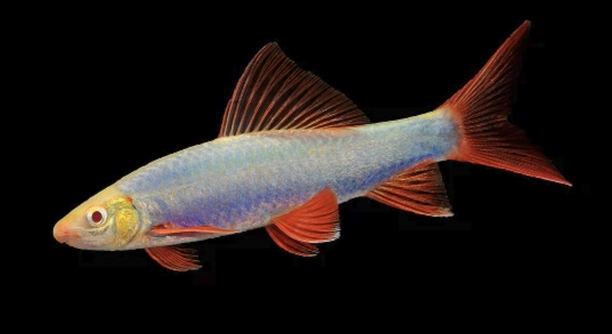
Rainbow sharks are popular aquarium fish known for their vibrant colors and active behavior. Keeping their tank comfortable and stimulating is important for their health and happiness. Simple adjustments can greatly improve your rainbow shark’s environment.
Creating a more enjoyable tank involves proper tank size, appropriate hiding spots, balanced lighting, suitable water conditions, and compatible tank mates. These factors work together to reduce stress and promote natural behavior in rainbow sharks, enhancing their well-being.
Making these changes will improve your fish’s daily life and help maintain a healthy aquatic environment. The following tips focus on practical ways to create a better habitat for your rainbow shark.
Proper Tank Size for Rainbow Sharks
Rainbow sharks need enough space to swim and explore comfortably. A tank that is too small can cause stress and aggressive behavior. Ideally, a minimum of 30 gallons is recommended for one rainbow shark. Larger tanks are better if you plan to keep multiple fish or other species. The extra space allows them to establish territories and reduces chances of conflict. Providing sufficient swimming room also encourages natural activity, which supports their overall health. Monitoring the tank size and upgrading when necessary helps create a stable environment that keeps your fish active and calm. Consider the adult size of the rainbow shark, which can reach up to 6 inches, when selecting your tank. Avoid overcrowding to maintain water quality and reduce stress factors. Proper tank size is one of the simplest ways to ensure your rainbow shark thrives in captivity.
Proper tank size helps prevent aggressive behavior and supports your fish’s health by providing enough swimming space.
Having a spacious tank encourages natural swimming patterns and allows your rainbow shark to feel secure. It reduces stress and aggression toward other fish. Additionally, a larger tank makes it easier to maintain stable water conditions, which are essential for fish health. When fish are cramped, they are more susceptible to disease and behavioral issues. A roomy tank also provides opportunities to add decorations and plants without overcrowding. This setup enriches the environment and gives your fish places to explore and hide. Always ensure the tank dimensions meet the minimum recommended size for your rainbow shark’s well-being.
Creating Hiding Spots and Decorations
Hiding spots give rainbow sharks places to retreat and feel safe. Natural decorations like rocks, caves, and plants work well. These elements reduce stress and encourage natural behavior. Avoid sharp or rough decorations that can injure your fish. Plants, whether live or artificial, add cover and enhance tank aesthetics. Placement of hiding spots should allow easy access while giving enough open swimming space. Consider rearranging decorations occasionally to keep the environment stimulating. Providing shelter is important for rainbow sharks, as they tend to be territorial and shy at times. This balance helps your fish feel secure without limiting movement. Proper hiding areas improve tank enjoyment for both you and your fish.
Hiding spots reduce stress by offering secure areas where rainbow sharks can rest and avoid confrontation.
Good hiding places mimic natural habitats and promote healthy activity. They also encourage shy fish to come out and explore when they feel safe. Decorations should be cleaned regularly to prevent algae and debris buildup. Introducing a variety of hiding options supports different behaviors and helps fish feel more at ease. Properly arranged decorations improve water flow and prevent dead zones in the tank. This careful planning results in a balanced and enjoyable environment that supports your rainbow shark’s physical and mental health.
Maintaining Proper Water Conditions
Stable water parameters are essential for rainbow sharks. They thrive in temperatures between 74 and 80°F and prefer a pH of 6.5 to 7.5. Regular testing and adjustments keep their environment healthy.
Regular water changes help maintain water quality by removing waste and toxins. Using a good water conditioner removes chlorine and other harmful chemicals. Maintaining stable temperature and pH reduces stress and disease risk. Proper filtration supports a clean tank, but avoid strong currents since rainbow sharks prefer calm water. Monitoring ammonia, nitrite, and nitrate levels ensures a safe habitat. Consistency in water conditions helps your fish stay active and healthy.
Besides water quality, oxygen levels must be adequate. Aeration devices like air stones improve oxygen circulation. Avoid rapid temperature fluctuations, which can weaken the immune system. Regular maintenance of filters and cleaning debris prevent buildup that harms water quality. Observing your fish’s behavior can also signal water issues; lethargy or gasping indicates problems. Keeping a balanced aquatic environment requires attention and care, but it is essential for your rainbow shark’s well-being.
Choosing Compatible Tank Mates
Rainbow sharks can be territorial, so choosing peaceful tank mates is important to avoid stress and aggression. Avoid keeping them with small, slow-moving fish.
Good tank mates include fast swimmers or bottom dwellers like danios, barbs, or plecos. These species are less likely to provoke territorial disputes. Avoid keeping multiple rainbow sharks in small tanks, as this increases aggression. Introducing compatible species gradually helps reduce conflict. Monitoring interactions in the tank allows you to adjust if problems arise. A well-planned community tank supports harmony and enjoyment for all inhabitants.
Providing hiding spots and sufficient space also helps reduce aggression. A diverse tank with peaceful fish encourages natural behavior. Avoid overcrowding, which increases stress and fights. When tank mates are carefully chosen and managed, your rainbow shark will thrive alongside other species, creating a balanced and active aquarium environment.
Feeding Your Rainbow Shark
Rainbow sharks are omnivores and need a balanced diet to stay healthy. Offer high-quality pellets or flakes designed for bottom feeders. Supplement their diet with live or frozen foods like bloodworms or brine shrimp for variety.
Feed small amounts two to three times daily. Avoid overfeeding to prevent water quality issues and obesity. Observing their eating habits helps adjust portions and ensure proper nutrition.
Lighting and Tank Environment
Moderate lighting mimics natural conditions and reduces stress. Too bright lighting can cause discomfort, while too dim may affect plant growth. Use a timer to maintain a consistent day-night cycle.
Regular Tank Cleaning
Cleaning the tank regularly keeps the environment healthy. Remove uneaten food and debris to prevent harmful bacteria buildup.
Monitoring Fish Behavior
Pay attention to your rainbow shark’s behavior. Changes may indicate stress or illness that need to be addressed promptly.
FAQ
How often should I feed my rainbow shark?
Feeding your rainbow shark two to three times a day in small amounts is ideal. They are bottom feeders and enjoy sinking pellets or flakes, along with occasional live or frozen foods like bloodworms or brine shrimp. Overfeeding can cause water quality problems and lead to health issues, so watch their appetite carefully.
What size tank is best for a rainbow shark?
A minimum of 30 gallons is recommended for a single rainbow shark. This size provides enough space for swimming and reduces territorial aggression. If you plan to keep multiple fish or other species, consider a larger tank to maintain balance and water quality.
Can rainbow sharks live with other fish?
Yes, but you must choose tank mates carefully. Fast swimmers or bottom dwellers such as danios, barbs, or plecos tend to coexist peacefully. Avoid small, slow-moving fish and overcrowding to reduce stress and aggression.
What water temperature and pH do rainbow sharks need?
Rainbow sharks thrive in temperatures between 74 and 80°F and prefer a pH range of 6.5 to 7.5. Keeping water parameters stable helps reduce stress and prevents disease. Regular testing and water changes support a healthy environment.
How do I create hiding spots in the tank?
Use natural decorations like rocks, caves, and plants to provide secure places for your rainbow shark to retreat. Avoid sharp or rough objects that could injure your fish. Rearranging hiding spots periodically keeps the environment interesting and stimulates natural behavior.
Why is my rainbow shark acting aggressive?
Aggression often stems from inadequate space or territorial disputes. Make sure your tank is large enough and provide enough hiding spots. Also, review tank mates and avoid overcrowding. Aggression may decrease with proper tank size and environment enrichment.
How important is tank cleaning for rainbow sharks?
Regular cleaning is vital. Removing uneaten food, waste, and debris prevents harmful bacteria buildup and maintains good water quality. Partial water changes weekly or biweekly help keep the tank stable and healthy.
Should I use live plants in my rainbow shark tank?
Live plants can improve water quality and provide natural hiding spots. However, rainbow sharks may nibble on softer plants. Choose hardy species like Java fern or Anubias, which can tolerate some nibbling and provide shelter.
What signs show that my rainbow shark is stressed or sick?
Signs include lethargy, loss of appetite, faded colors, unusual swimming patterns, or hiding excessively. Stress often results from poor water conditions, aggressive tank mates, or overcrowding. Early intervention improves chances of recovery.
How do I maintain proper oxygen levels in the tank?
Ensure good water circulation and consider using an air stone or bubbler to increase oxygen. Avoid strong currents, as rainbow sharks prefer calmer waters. Proper filtration also supports oxygen levels by breaking down waste.
Can I keep more than one rainbow shark in the same tank?
It is possible but only in very large tanks with plenty of hiding spots. Rainbow sharks are territorial and may become aggressive in confined spaces. Careful monitoring is essential to prevent injuries or stress.
What type of filtration is best for rainbow shark tanks?
A reliable filter that provides mechanical, biological, and chemical filtration is best. It keeps water clean and stable but should not create strong currents. Sponge filters or canister filters with adjustable flow work well.
How do I acclimate a new rainbow shark to my tank?
Float the sealed bag in your tank for 15-20 minutes to equalize temperature. Gradually add small amounts of tank water into the bag over 30-60 minutes before releasing the fish. This process reduces shock and helps your fish adjust smoothly.
Why does my rainbow shark hide all the time?
Hiding can indicate stress, fear, or an uncomfortable environment. Check water conditions, tank mates, and tank setup. Providing more hiding spots and reducing disturbances can encourage your fish to explore more.
What is the best diet to keep my rainbow shark healthy?
A varied diet of high-quality sinking pellets, flakes, and occasional live or frozen foods supports good health. Supplement with vegetable matter like blanched spinach or zucchini occasionally, as rainbow sharks are omnivorous. Balanced nutrition improves color and energy.
How often should I test my aquarium water?
Test water parameters weekly, especially ammonia, nitrite, nitrate, pH, and temperature. Frequent monitoring helps catch problems early and ensures a stable environment. Adjustments can then be made to keep your rainbow shark comfortable.
Can rainbow sharks tolerate brackish water?
Rainbow sharks prefer freshwater and do not thrive in brackish conditions. Maintaining stable freshwater parameters is important for their health and longevity.
What causes rainbow sharks to lose their color?
Faded colors can result from stress, poor water quality, inadequate diet, or illness. Improving tank conditions, providing proper nutrition, and reducing stress can help restore their vibrant colors.
How long do rainbow sharks typically live?
With proper care, rainbow sharks can live up to 5 to 8 years. Maintaining good water quality, a balanced diet, and a comfortable environment are key to their longevity.
Creating a comfortable and enjoyable tank for your rainbow shark is important for its health and happiness. Paying attention to tank size, water quality, and decorations helps reduce stress and encourages natural behavior. Providing hiding spots and maintaining stable water conditions allow your fish to thrive. These small efforts can make a big difference in how active and vibrant your rainbow shark appears.
Regular maintenance, including water changes and cleaning, keeps the tank environment healthy. Monitoring water temperature, pH, and oxygen levels supports the well-being of your fish. Choosing compatible tank mates and feeding a balanced diet also contribute to a peaceful and lively aquarium. When all these factors come together, your rainbow shark will display its best colors and behavior, making the tank a pleasant space to observe.
Consistency is key when caring for rainbow sharks. Making gradual improvements to their environment can prevent common issues like aggression, illness, and color fading. By understanding your fish’s needs and responding promptly to changes, you ensure a long and healthy life for them. Overall, maintaining a well-balanced tank is both rewarding and essential for your rainbow shark’s enjoyment and your satisfaction as an aquarium owner.

Hello,
If you enjoy the content that we create, please consider saying a "Thank You!" by leaving a tip.
Every little bit helps us continue crafting quality advice that supports the health, happiness, and well-being of pets around the world, for pets of all shapes, sizes, and species.
We really appreciate the kindness and support that you show us!