
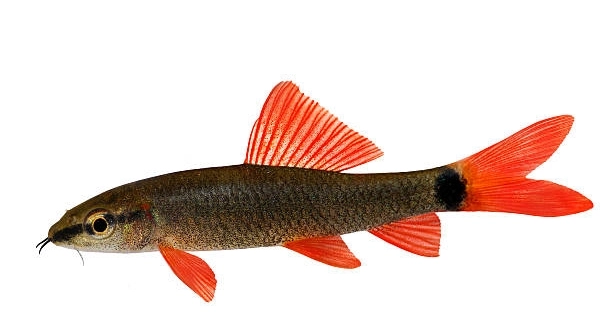
Is your rainbow shark spending most of its time hiding or acting aggressively toward tank mates in your aquarium setup at home?
The health of your rainbow shark’s environment depends on key factors such as tank size, water quality, hiding spots, and compatible tank mates. Addressing these elements can significantly improve your fish’s behavior and overall well-being.
Creating the right environment can make a big difference in how your rainbow shark thrives. These simple steps can lead to a healthier and more balanced tank.
Choose the Right Tank Size
Rainbow sharks need space to swim, explore, and claim territory. A tank that’s too small can make them stressed or aggressive. The ideal tank size for one adult rainbow shark is at least 55 gallons. This gives them enough room to feel secure and less territorial. If the tank is smaller, your fish may hide often or chase other fish around. A larger tank also helps keep the water more stable, which means fewer sudden changes in temperature or water quality. Keeping them in the right size tank sets the foundation for a healthy and peaceful environment.
A cramped tank often leads to poor behavior and health. Size matters when it comes to your shark’s well-being.
If you’re thinking about upgrading, make sure your tank has a wide base, not just height. Rainbow sharks are bottom dwellers and enjoy horizontal space. Avoid placing them in tall tanks with limited floor area. You’ll also want to avoid overcrowding. Too many tank mates can lead to stress and aggression. Adding live plants and hiding spots helps give them places to rest and feel safe. Keeping only one rainbow shark per tank is also best since they tend to be territorial with their own kind.
Improve Water Quality and Conditions
Poor water quality can impact your rainbow shark’s behavior and health quickly. Clean water is key.
A good filtration system is essential. It removes waste, leftover food, and harmful chemicals that build up over time. Weekly water changes—around 25%—help keep ammonia, nitrite, and nitrate levels safe. Test your water regularly using an aquarium test kit. Keep the temperature between 75°F and 81°F, and aim for a pH between 6.5 and 7.5. Rainbow sharks are sensitive to sudden changes, so try to keep the water conditions stable. Adding an air stone can also improve oxygen levels. Overfeeding is another issue that can dirty the water fast. Feed your shark only what it can eat in two to three minutes. Rotting food will cloud the water and harm your fish. Always rinse any new decorations or gravel before adding them to the tank to avoid introducing unwanted particles or chemicals. Good water habits help your rainbow shark live longer and healthier.
Add Proper Hiding Spots
Rainbow sharks feel more secure when they have places to hide. Caves, rocks, and decorations that offer cover help reduce stress. When they feel safe, they are less likely to show aggressive or nervous behavior in the tank.
Choose decorations that allow your rainbow shark to swim in and out easily. Avoid sharp edges that could injure their fins or body. Natural-looking caves, stacked rocks, or resin decorations work well. Spread them out across the bottom of the tank to create separate zones. These zones can help reduce territorial behavior, especially if you have other bottom-dwelling fish. Live or silk plants placed around hiding spots also give added cover and make the space feel more natural. The goal is to give your shark space to retreat and rest without being disturbed. A calm fish is often a healthier fish.
Make sure your shark can claim one of these areas as its own. Rainbow sharks don’t always like to share. It helps to arrange the tank so the line of sight is broken up—this prevents them from constantly seeing other fish. Driftwood or taller decorations placed strategically can block views and create a sense of separation. This setup lowers tension and keeps the peace in the tank.
Keep Lighting Moderate
Rainbow sharks don’t need bright lighting to thrive. In fact, intense lighting can make them feel exposed or anxious. Soft or moderate lighting is usually best and helps mimic their natural habitat. Aim for around 8 to 10 hours of light per day.
Use a timer so the lighting stays consistent. Sudden changes in light can startle your shark. If the tank is near a window, watch out for extra sunlight—it can raise the temperature too quickly or cause algae buildup. If you keep live plants, choose lighting that supports plant growth without being too intense. A soft LED aquarium light works well for both plant health and your fish’s comfort. Adding floating plants can also help diffuse the light, creating shaded areas. These shaded spots give your rainbow shark more places to feel safe during the day, which can help reduce stress and improve behavior over time.
Avoid Aggressive Tank Mates
Rainbow sharks can be territorial, especially with other bottom dwellers. Fish that nip fins or challenge them for space will cause stress. Choose peaceful species that swim in the middle or top of the tank to reduce tension and avoid fights.
Avoid housing them with other rainbow sharks or similar-shaped fish like red-tail sharks. These pairings usually lead to chasing and injuries. Keeping your shark in a calm, low-conflict tank helps it stay healthy and act more naturally.
Feed a Balanced Diet
Rainbow sharks are omnivores and need a mix of plant-based and protein-rich foods. A healthy diet includes high-quality sinking pellets, algae wafers, and occasional treats like bloodworms or brine shrimp. You can also offer blanched vegetables like zucchini or spinach once or twice a week. Avoid overfeeding—only give what they can eat in a few minutes to prevent water problems. A varied diet not only supports their physical health but also encourages natural foraging behavior. You might notice your shark becoming more active and alert when given different types of food to explore and enjoy.
Maintain a Consistent Schedule
Sticking to a routine helps rainbow sharks feel secure. Feed them at the same times each day and keep water maintenance on a weekly schedule. Predictable care keeps stress levels low and supports better health.
FAQ
Can rainbow sharks live with other rainbow sharks?
It’s not recommended to keep more than one rainbow shark in the same tank. They are territorial and will often fight with others of their kind. Even in large tanks, aggressive chasing and injuries can occur. It’s best to keep just one to avoid stress or harm.
What size tank is best for a rainbow shark?
A single rainbow shark should be housed in a tank that holds at least 55 gallons. This gives them space to explore and claim territory. Smaller tanks can lead to territorial behavior, stress, or illness. More space helps with stability and reduces aggressive interactions with other fish.
Do rainbow sharks need hiding spots?
Yes, they do. Hiding spots help them feel secure and lower their stress levels. Use rocks, caves, driftwood, or dense plants to create shelter areas. These spots should be placed along the bottom since rainbow sharks are bottom dwellers. Spread them out to reduce tension in the tank.
Are rainbow sharks aggressive?
Rainbow sharks can be aggressive, especially toward other bottom-dwelling or similarly shaped fish. They usually guard their territory and may chase other fish that come too close. Choosing peaceful, top-swimming tank mates and creating hiding spots can help reduce this behavior.
What do rainbow sharks eat?
They eat a mix of plant and animal-based foods. Sinking pellets should be their main diet. You can also feed them algae wafers, frozen bloodworms, brine shrimp, and blanched vegetables like zucchini or spinach. A varied diet keeps them healthy and active without overfeeding.
How often should I clean the tank?
Do partial water changes of about 25% once a week. Clean the gravel, remove waste, and wipe down algae. A clean tank keeps ammonia, nitrites, and nitrates at safe levels. Regular cleaning supports good water quality, which is essential for your rainbow shark’s health.
Can rainbow sharks live with live plants?
Yes, they can. In fact, live plants help improve water quality and create hiding areas. Use hardy plants like Java fern, Anubias, or Amazon sword. These types can survive the activity near the bottom of the tank and won’t be easily uprooted by your shark’s movements.
Do rainbow sharks need a heater?
Yes. Rainbow sharks prefer warm water between 75°F and 81°F. A reliable heater will keep the temperature stable, especially during colder months or in cooler rooms. Sudden temperature changes can lead to stress or illness, so consistent heating is important.
How long do rainbow sharks live?
With proper care, rainbow sharks can live up to 6–8 years. Clean water, a proper diet, the right tank size, and compatible tank mates all contribute to a long and healthy life. Avoiding stress and keeping a regular maintenance schedule are key.
Why is my rainbow shark hiding all the time?
Hiding is normal if the tank is new, too bright, or lacks proper cover. If your shark hides constantly, check water conditions and look for aggressive tank mates. Add caves or decorations to give it safe spaces. Once it feels secure, it should become more active.
Final Thoughts
Caring for a rainbow shark means creating a space that meets its basic needs. These fish are active and curious but also sensitive to stress. A good tank size, clean water, proper lighting, and calm tank mates all make a big difference. When their environment is balanced, rainbow sharks are more relaxed, healthy, and interesting to watch. While they are not the easiest fish for beginners, they can be rewarding to care for when their needs are met. Understanding what helps them thrive is key to keeping them happy in your home aquarium.
Every choice you make—from what food you give them to how often you clean the tank—plays a role in their overall well-being. Over time, you’ll start to notice their habits and moods, which can help you catch problems early. Even small changes in behavior, like hiding more or eating less, might point to something wrong in the tank. Staying consistent with water tests, feeding schedules, and equipment checks will help you avoid most issues. A calm environment supports not only the rainbow shark but any other fish living with it. When everything is running smoothly, your fish will show more natural behaviors and grow stronger over time.
There’s no one perfect setup that works for every tank, but the steps listed in this article offer a solid place to start. As you get more familiar with your rainbow shark, you may want to adjust the tank layout, try new foods, or add more plants. Keep changes slow and simple so the shark has time to adjust. Avoid overcrowding or adding other aggressive fish. Keeping things peaceful and clean is more important than adding lots of decorations or tank mates. With patience and attention, your rainbow shark can live a long and healthy life. Taking the time to understand what your fish needs creates a better experience for both you and your pet.

Hello,
If you enjoy the content that we create, please consider saying a "Thank You!" by leaving a tip.
Every little bit helps us continue crafting quality advice that supports the health, happiness, and well-being of pets around the world, for pets of all shapes, sizes, and species.
We really appreciate the kindness and support that you show us!