
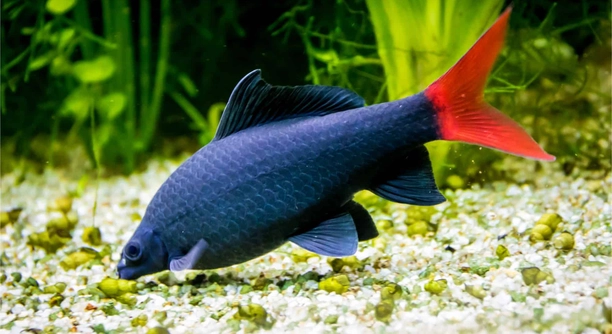
Rainbow sharks are popular aquarium fish known for their sleek bodies and striking colors. Many owners want to create a safe and comfortable environment for their fish. Understanding how to help your rainbow shark feel secure is important for its well-being.
Providing proper tank size, hiding spots, and stable water conditions reduces stress and promotes a sense of safety for rainbow sharks. Consistent routines and compatible tank mates further support their security in the aquarium environment.
These simple steps will help improve your rainbow shark’s comfort and happiness in its home. Following this guide can make a noticeable difference in your fish’s behavior and health.
Provide Plenty of Hiding Spots
Rainbow sharks are naturally shy and like to have places where they can hide when they feel threatened or stressed. Adding caves, plants, or decorations that create small hiding spots helps your fish feel secure. These shelters give them a sense of control over their environment. When they have a safe place to retreat, they are less likely to show signs of stress like hiding too much or swimming nervously. Make sure to arrange the tank so these hiding spots are easy to access but not overcrowded. Too many decorations can reduce swimming space, which might make your rainbow shark uncomfortable. Regularly check the tank setup to keep hiding spots clean and free from sharp edges. This balance helps your fish stay calm and healthy.
A tank with good hiding options encourages natural behavior and lowers stress levels for rainbow sharks.
Ensuring there are multiple hiding spots throughout the tank is important. Spread them out evenly so your rainbow shark can choose different areas to rest or hide. Use live or artificial plants, smooth rocks, or store-bought aquarium caves. Each option adds to the feeling of safety while keeping the tank visually appealing. When your fish feels safe, it will be more active and less prone to illness.
Maintain Stable Water Conditions
Stable water conditions are crucial for keeping your rainbow shark comfortable and healthy. Sudden changes in temperature, pH, or ammonia levels can stress your fish and make it feel unsafe. Consistency helps them adjust and thrive. Use a reliable heater and thermometer to keep the water temperature steady, ideally between 75°F and 79°F (24°C to 26°C). Test the water regularly for pH, ammonia, nitrites, and nitrates to ensure the environment stays clean and balanced.
Water changes should be done consistently, usually 20-25% weekly, to prevent buildup of harmful substances. Avoid overfeeding to reduce waste and maintain better water quality. Proper filtration is also necessary to keep the water clear and oxygen-rich. When these conditions are kept steady, your rainbow shark will feel secure and behave naturally, showing more active swimming and normal feeding patterns.
Keep a Consistent Feeding Schedule
Feeding your rainbow shark at the same times each day helps create a routine they can rely on. Consistency reduces stress and makes them feel more secure.
Rainbow sharks do best when fed once or twice daily with high-quality sinking pellets or flakes. Supplement their diet occasionally with live or frozen foods like bloodworms or brine shrimp. Avoid overfeeding, as leftover food can pollute the water and harm your fish’s health. Feeding on a schedule allows your rainbow shark to anticipate meals, reducing anxiety and encouraging natural foraging behavior. It also helps you monitor their appetite and spot early signs of illness.
Regular feeding times promote stability in your aquarium environment. When your rainbow shark knows when to expect food, it feels safer and more comfortable. Maintaining this routine can lead to better overall health and a more active fish.
Choose Compatible Tank Mates
Rainbow sharks are territorial and may become stressed by aggressive or overly active tank mates. Selecting peaceful, similarly sized fish reduces conflict and promotes security.
Suitable companions include tetras, rasboras, and certain catfish that occupy different tank levels. Avoid keeping rainbow sharks with other bottom dwellers or very small fish, as this can cause stress or injury. Provide enough space so each fish can establish its own territory. Overcrowding leads to competition and aggression, making your rainbow shark feel threatened. Observing your fish’s behavior helps determine if the tank community is balanced. A calm, well-matched group contributes to a peaceful aquarium and a secure environment for your rainbow shark.
Avoid Sudden Movements Near the Tank
Sudden movements near the tank can startle rainbow sharks and make them feel unsafe. Move calmly and quietly when you approach the aquarium.
Try to avoid tapping on the glass or making loud noises. A peaceful environment helps your fish stay calm and relaxed.
Keep Lighting Moderate
Bright or flashing lights can stress rainbow sharks, so use moderate, consistent lighting. A regular day-night cycle helps regulate their behavior and comfort.
Avoid placing the tank in direct sunlight, which can cause temperature swings and encourage algae growth.
Perform Regular Water Testing
Regular water testing is essential to keep your rainbow shark’s environment stable. Check for ammonia, nitrites, nitrates, and pH levels weekly.
Monitoring these parameters helps prevent harmful spikes that can stress or harm your fish. Maintaining clean, balanced water supports a secure and healthy aquarium.
How big should my tank be for a rainbow shark?
A tank for a rainbow shark should be at least 30 gallons. These fish need enough space to swim actively and establish their territory. Smaller tanks can cause stress and aggression. A longer tank is better than a tall one because rainbow sharks prefer swimming horizontally. Providing ample room supports their health and comfort.
What water temperature is best for rainbow sharks?
The ideal water temperature is between 75°F and 79°F (24°C to 26°C). Keeping the temperature steady helps your fish stay healthy and secure. Sudden changes can stress them out. Using a reliable heater and thermometer makes it easier to maintain the correct temperature range.
Can rainbow sharks live with other fish?
Yes, but tank mates must be chosen carefully. Peaceful, mid-level swimmers like tetras or rasboras usually work well. Avoid other bottom dwellers or aggressive fish to reduce territorial fights. Make sure the tank is large enough for everyone to have space.
How often should I clean the tank?
Perform partial water changes weekly, about 20-25% of the tank water. This helps keep ammonia, nitrites, and nitrates at safe levels. Regular cleaning prevents harmful buildup that stresses your rainbow shark. Clean decorations and substrate as needed, but don’t remove all the beneficial bacteria.
What do rainbow sharks eat?
Rainbow sharks eat sinking pellets or flakes made for tropical fish. Supplement with live or frozen foods like bloodworms or brine shrimp occasionally. A varied diet supports good health and keeps them active. Avoid overfeeding to prevent water pollution.
Why does my rainbow shark hide all the time?
Hiding is normal, especially when they are new or stressed. It may also indicate poor water quality, tank overcrowding, or lack of hiding spots. Check your tank conditions and provide more shelters. If hiding continues, monitor for illness or aggression from other fish.
How can I reduce aggression in rainbow sharks?
Ensure plenty of space and hiding spots. Avoid overcrowding and choose compatible tank mates. Feeding on schedule and maintaining stable water conditions help lower stress, which reduces aggressive behavior. Observing your fish can help catch problems early.
What pH level is best for rainbow sharks?
A pH between 6.5 and 7.5 is best. Slightly acidic to neutral water keeps rainbow sharks comfortable. Sudden pH swings can stress them. Test regularly to maintain this range and adjust water as needed.
How long do rainbow sharks live?
With good care, rainbow sharks live about 5 to 7 years. Proper tank size, water quality, diet, and stress reduction contribute to a longer, healthier life. Regular monitoring helps catch health issues early.
Do rainbow sharks need a filter?
Yes, a good filter is essential. It keeps the water clean by removing waste and toxins, which helps maintain stable water conditions. Choose a filter that fits your tank size and provides gentle water flow, since rainbow sharks prefer calmer currents.
Taking care of a rainbow shark involves more than just feeding and keeping the tank clean. These fish need a secure environment where they feel safe and comfortable. Providing hiding spots, maintaining stable water conditions, and keeping a regular routine all play a big role in their well-being. When these basic needs are met, rainbow sharks tend to be healthier and show more natural, active behavior. It is important to remember that stress can lead to illness, so creating a peaceful aquarium is key.
Paying attention to details like tank size, compatible tank mates, and feeding schedules makes a noticeable difference. Rainbow sharks are territorial by nature, so giving them enough space and calm surroundings reduces aggression. Using moderate lighting and avoiding sudden movements near the tank can also help them stay calm. These small efforts contribute to a positive living environment that supports their long-term health and happiness. Keeping water quality high through regular testing and partial water changes ensures they live in clean and balanced conditions.
Overall, caring for a rainbow shark is about consistency and observation. Watching their behavior helps identify any signs of stress or illness early on. Adjusting the tank setup or care routine based on what your fish needs makes a big difference. With patience and attention, you can provide a home where your rainbow shark feels secure and thrives. This creates a rewarding experience for both you and your fish.

Hello,
If you enjoy the content that we create, please consider saying a "Thank You!" by leaving a tip.
Every little bit helps us continue crafting quality advice that supports the health, happiness, and well-being of pets around the world, for pets of all shapes, sizes, and species.
We really appreciate the kindness and support that you show us!