
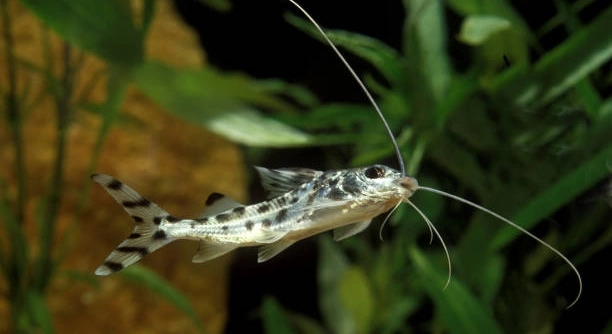
Are your Pictus catfish tank and decorations looking a bit artificial or plain? Many fishkeepers want their aquariums to feel like a natural underwater scene. Creating a natural look can improve both the tank’s appearance and the fish’s comfort.
The best way to make your Pictus tank look natural is by carefully choosing plants, substrate, and decorations that mimic their natural habitat. Using driftwood, smooth stones, and live or realistic artificial plants creates a balanced environment that supports fish behavior and health.
These simple ideas will help transform your tank into a calm, natural space your Pictus will enjoy living in.
Choose the Right Substrate
The substrate plays a big role in how natural your Pictus tank looks. Fine gravel or sand works best because it resembles the riverbeds where these fish live. Avoid bright or unnatural colors, as they can make the tank look artificial. A darker substrate often helps the fish feel safer and more relaxed. Adding small, smooth stones here and there can also enhance the natural look while giving the tank texture. Keep the substrate clean by vacuuming regularly to prevent buildup of waste and debris, which can spoil the appearance and water quality. A natural substrate supports the growth of beneficial bacteria that help maintain a healthy tank environment. When setting up, gently layer the substrate to create small slopes or uneven surfaces, mimicking natural riverbanks. This adds depth and interest, making the tank feel less sterile and more like a real habitat.
Substrate choice not only affects the tank’s look but also the comfort of your Pictus catfish. A natural base encourages natural behaviors.
Using the right substrate is a key step in making your tank feel authentic. It supports both the aesthetics and health of your fish. By paying attention to this detail, your Pictus tank will become a more pleasant place for them to swim and explore.
Add Live or Realistic Plants
Plants bring life to any aquarium, and for a Pictus tank, they are essential. Live plants improve water quality by absorbing harmful chemicals and providing oxygen. They also create hiding spots and shade, which Pictus catfish appreciate since they tend to be shy. Some great plant options include Java fern, Anubias, and Cryptocoryne, as they are easy to care for and can thrive in various conditions. If live plants are not an option, realistic artificial plants can still add the natural feel you want. Place the plants strategically, mixing taller ones in the back and shorter ones in front, to build a layered, natural look. Avoid overcrowding, as open swimming space is important for your fish’s activity. Plants help balance the tank visually and support the fish’s wellbeing by mimicking their natural surroundings.
Proper plant placement creates depth and comfort in your aquarium, making your Pictus feel at home.
Use Natural Decorations
Driftwood and smooth stones add authenticity to your tank. These elements resemble river environments where Pictus catfish naturally live and help create hiding spots. Avoid sharp or overly bright decorations that can stress your fish or look out of place.
Driftwood not only looks natural but also slowly releases tannins, which can slightly lower pH and soften water. This mimics the Pictus catfish’s natural habitat, making them more comfortable. When adding stones, choose rounded, smooth types to avoid injury. Place decorations to create caves or shaded areas where your fish can retreat if they feel threatened. Natural decorations also help break up the tank visually, making it feel less empty and more like a real underwater scene. Over time, beneficial bacteria will grow on these surfaces, supporting the tank’s ecosystem and improving water quality.
Regularly check your decorations to make sure they remain safe and clean. Remove any rough edges or algae build-up to keep the environment healthy for your Pictus catfish.
Control Lighting for a Natural Feel
Use dim or moderate lighting to simulate the shaded waters where Pictus catfish live. Bright lights can stress them out and reduce their activity. Soft lighting creates a calm atmosphere and encourages natural behavior.
Adjusting the light cycle to about 10-12 hours per day helps mimic natural day and night rhythms. Consider placing plants or decorations to create shadows and dappled light, adding depth and comfort. LED lights with adjustable intensity are a good choice because they allow you to control brightness without heating the water. Avoid sudden changes in lighting, as these can frighten your fish. A gentle, gradual transition from light to dark is ideal, replicating natural sunrise and sunset patterns. Proper lighting helps your Pictus feel secure and encourages feeding and swimming during their active hours.
Provide Hiding Spots
Pictus catfish need places to hide and feel secure. Adding caves, hollow logs, or dense plant areas helps reduce their stress. These spots mimic their natural environment and encourage natural behavior.
Hiding spots also protect shy or injured fish. Make sure there are several options around the tank for your Pictus to choose from.
Maintain Water Quality
Clean water is essential for a natural-looking tank and healthy fish. Regular water changes and proper filtration keep harmful toxins low. Good water quality supports plant growth and helps decorations stay clean longer.
Use a Neutral Background
A simple, neutral-colored background helps highlight your tank’s natural elements. Avoid bright or flashy backgrounds that distract from the fish and plants. A dark or earthy backdrop enhances the overall natural feel and draws attention to the Pictus catfish.
How often should I clean my Pictus tank to keep it looking natural?
Regular cleaning is key to maintaining a natural appearance and a healthy environment. Aim to perform a partial water change of about 20-30% every one to two weeks. This helps remove excess waste and prevents buildup of harmful chemicals. Additionally, clean the substrate gently with a gravel vacuum during water changes to avoid disturbing beneficial bacteria. Wipe down glass surfaces to remove algae but avoid over-cleaning decorations or plants to keep their natural look intact. Consistent maintenance keeps water clear, supports healthy plants, and prevents unpleasant odors, all of which help your tank maintain a fresh and natural feel.
What types of plants work best for a Pictus tank?
Pictus catfish thrive with plants that are hardy and easy to care for. Java fern, Anubias, and Cryptocoryne species are excellent choices because they grow well in low to moderate light and do not require special substrate conditions. These plants offer dense leaves and roots that provide hiding spots and resting areas for your fish. Floating plants like Amazon frogbit can also help diffuse light, creating shaded areas similar to the Pictus’ natural environment. Avoid fragile or delicate plants that need frequent trimming or special care, as these can detract from the tank’s natural feel if they decline quickly.
Can I use artificial plants to make the tank look natural?
Yes, artificial plants can be a good alternative if live plants are difficult to maintain. Choose high-quality, realistic artificial plants that resemble natural species. Position them thoughtfully, mixing tall and short plants to create depth and layers. Clean artificial plants regularly to prevent algae buildup and maintain their appearance. While they do not improve water quality like live plants, they still provide shelter and visual interest for your Pictus catfish. Combining artificial and live plants is also possible, giving your tank a natural look while reducing maintenance.
How important is the choice of substrate for Pictus catfish?
The substrate is very important because it affects both the tank’s appearance and the fish’s comfort. Fine sand or smooth gravel closely mimics the riverbeds where Pictus catfish live, allowing them to forage and swim comfortably. Rough or sharp substrates may harm their delicate barbels. Darker substrates often make the colors of your fish and plants stand out more, enhancing the natural feel. Additionally, a well-maintained substrate supports beneficial bacteria that help break down waste, contributing to a balanced aquarium environment.
What kind of decorations work best to create hiding spots?
Natural decorations like driftwood, hollow logs, and smooth stones are the best choices. These provide safe places for your Pictus catfish to hide and rest. Avoid plastic or brightly colored decorations that look unnatural or could stress your fish. Position decorations to form caves or shaded areas without overcrowding the tank. Over time, these surfaces will develop a natural coating of beneficial bacteria and algae, improving the tank’s ecosystem and enhancing the natural appearance.
How should I manage lighting to keep the tank natural?
Use dim or moderate lighting to replicate the shaded environments where Pictus catfish live. Bright lights can cause stress and make fish hide more. Aim for 10-12 hours of light daily with a gradual transition between day and night to mimic natural conditions. LED lights with adjustable brightness work well for this. Position plants and decorations to create shaded spots and patches of dappled light, adding depth to the tank. Proper lighting not only improves the tank’s look but also supports plant growth and healthy fish behavior.
Is water quality important for a natural-looking tank?
Water quality is crucial. Clear, clean water enhances the appearance of plants, decorations, and your fish. Regular water changes and good filtration remove waste and toxins that can cloud the water or harm aquatic life. Balanced water parameters support healthy plant growth and prevent algae overgrowth, which can ruin the tank’s natural look. Monitoring ammonia, nitrite, and nitrate levels regularly helps ensure a safe environment for your Pictus catfish, allowing them to display natural colors and behaviors.
Can I add other fish to a Pictus tank without spoiling the natural look?
Yes, but choose tank mates carefully. Select peaceful species that share similar water requirements and won’t outcompete or stress the Pictus catfish. Avoid overly bright or aggressive fish that may clash visually or behaviorally. Small tetras, rasboras, or peaceful bottom dwellers like Corydoras catfish often work well. Adding compatible species enhances the natural ecosystem feel while keeping the tank balanced. Ensure the tank size is large enough to accommodate all fish comfortably, with enough hiding places and swimming space for everyone.
How do I keep algae under control without harming the natural setup?
Controlling algae involves balancing light, nutrients, and maintenance. Avoid excessive lighting or leaving the lights on too long, as this promotes algae growth. Regular water changes reduce nutrient buildup that feeds algae. Introducing algae-eating species like certain snails or shrimp can help naturally control algae without chemicals. Manually removing algae from glass, plants, and decorations during routine cleaning also keeps the tank tidy. Avoid using harsh chemicals or over-cleaning, which can damage plants or beneficial bacteria, disrupting the tank’s natural balance.
Creating a natural-looking tank for your Pictus catfish takes some planning and care, but it is well worth the effort. Using the right substrate, decorations, plants, and lighting all contribute to building an environment that closely resembles their natural habitat. When these elements come together, the tank feels more comfortable for your fish and more pleasing to look at. It is important to remember that a natural tank is not just about appearance—it supports the health and behavior of your Pictus catfish in many ways.
Maintaining good water quality and providing hiding spots are just as important as choosing the right decorations or plants. Regular cleaning and water changes help keep the tank clear and safe, while caves or dense plants give the fish places to feel secure. These small details make a big difference in how natural and balanced the aquarium looks and feels. Paying attention to these factors means your fish will be more active, less stressed, and show off their true colors. It also creates a peaceful environment where the whole tank community can thrive.
Remember, creating a natural tank is an ongoing process. Your aquarium will change over time as plants grow, fish explore, and decorations settle. It’s important to observe your fish and adjust things when needed. Whether it’s trimming plants, rearranging decorations, or checking water conditions, these small steps help keep your tank healthy and attractive. With patience and care, your Pictus catfish tank will not only look natural but also become a calm, beautiful space for your fish to live and grow.

Hello,
If you enjoy the content that we create, please consider saying a "Thank You!" by leaving a tip.
Every little bit helps us continue crafting quality advice that supports the health, happiness, and well-being of pets around the world, for pets of all shapes, sizes, and species.
We really appreciate the kindness and support that you show us!