
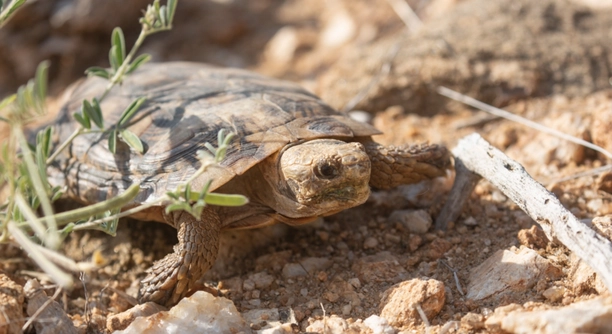
Is your pancake tortoise’s environment lacking stimulation and variety? A dull habitat can lead to boredom and stress, affecting its overall well-being. Creating an enriching space helps keep your tortoise engaged, active, and healthy in its daily life.
Providing enrichment for your pancake tortoise involves adding varied terrain, hiding spots, and safe climbing structures. Regular interaction, a diverse diet, and environmental changes promote mental and physical stimulation, preventing stress and encouraging natural behaviors essential for a fulfilling life.
Enrichment plays a crucial role in ensuring your tortoise remains engaged and active. Understanding these methods will help improve its overall quality of life.
Create a Stimulating Habitat
A well-designed habitat keeps your pancake tortoise engaged. Adding different textures, such as rocks, sand, and logs, encourages natural behaviors like climbing and burrowing. These elements mimic their native environment, providing both physical and mental stimulation. Space is essential, so ensure there is enough room for movement and exploration.
Hiding spots are important for reducing stress. Placing overturned plant pots, hollow logs, or rock formations allows your tortoise to retreat when needed. A variety of shelters encourages natural instincts and makes the enclosure feel safer and more dynamic.
Temperature variation also plays a key role in enrichment. Creating a gradient within the habitat allows your tortoise to regulate its body temperature effectively. Ensure warm basking areas and cooler shaded sections to support natural thermoregulation. Regularly rearrange the enclosure layout to maintain interest and prevent monotony, encouraging continuous exploration and activity.
Offer a Varied Diet
Providing different food textures and flavors prevents boredom and supports good health. Fresh greens, edible flowers, and occasional fruits make meals more interesting. Mixing these foods ensures a balanced diet while keeping your tortoise engaged during feeding time.
Leafy greens like dandelion and collard greens should form the base of the diet. Adding hibiscus flowers, shredded carrots, and small amounts of berries provides variety. Occasional treats such as cactus pads or pumpkin enhance nutrition. Always ensure that food is pesticide-free and appropriately sized for easy consumption.
Placing food in different locations within the enclosure encourages foraging. This stimulates natural instincts and prevents passive eating habits. You can also use flat rocks as feeding surfaces to mimic how tortoises eat in the wild. Avoid processed foods or excessive fruit intake, as they can cause health issues. Providing fresh water daily ensures proper hydration and supports overall well-being.
Provide Safe Climbing Opportunities
Flat surfaces can lead to inactivity, so incorporating safe climbing structures keeps your tortoise engaged. Smooth rocks, stacked slate, and low wooden platforms encourage natural movement. Ensure stability and gentle inclines to prevent injury while allowing exploration and exercise.
Rocks and logs placed at varying heights help strengthen muscles and improve coordination. Position these elements to create pathways, encouraging your tortoise to navigate different levels. Avoid steep drops or unstable structures, as they can pose risks. Adding slight inclines and gentle slopes allows safe climbing while preventing stress. Observing your tortoise’s comfort level with new additions helps ensure a positive experience.
Changing the arrangement of climbing elements keeps the habitat interesting. Rotating logs, shifting rock placements, or introducing new textures prevents boredom. Gradual changes give your tortoise time to adjust while maintaining curiosity. Regular observation helps determine which structures your tortoise enjoys most, making adjustments as needed.
Encourage Natural Foraging
Hiding food around the enclosure promotes natural foraging behaviors. Scattering leafy greens, edible flowers, or vegetables encourages movement and problem-solving. This prevents passive eating while keeping feeding time mentally stimulating. Placing food at different levels adds an extra challenge, mimicking natural foraging conditions.
Different feeding techniques enhance engagement. Hanging greens from enclosure walls or placing food under small rocks requires effort and curiosity. A shallow dish with mixed textures, such as hay and leafy greens, makes meals more interactive. These strategies not only prevent boredom but also encourage healthy eating habits. Variety in presentation helps maintain interest in food while promoting physical activity.
Avoid placing food in the same spot daily. Rotating locations encourages exploration and prevents predictable habits. Foraging reduces stress and keeps your tortoise active throughout the day. Observing eating patterns helps refine feeding strategies, ensuring a stimulating and enjoyable experience while maintaining a balanced diet.
Provide Enrichment Items
Adding natural objects like hollow logs, bark pieces, and flat stones encourages exploration. These elements create hiding spots and obstacles that keep your tortoise engaged. Safe, pesticide-free plants also provide a natural environment, offering shade and additional surfaces to investigate.
Toys like small, lightweight balls or textured objects stimulate curiosity. Rotating enrichment items prevents boredom and keeps the environment fresh. Simple additions, such as digging areas with loose soil or sand, allow for natural burrowing behavior. Ensuring variety in textures and materials keeps your tortoise mentally and physically active.
Maintain a Consistent Routine
A predictable routine helps reduce stress and promotes a sense of security. Feeding, cleaning, and interaction should follow a consistent schedule. Regular handling and enclosure changes should be introduced gradually to prevent anxiety. A stable routine encourages your tortoise to feel safe while still allowing for occasional enrichment adjustments.
Monitor Behavior and Adjust
Observing activity levels, eating habits, and interaction with enrichment items helps determine what works best. Any sudden behavioral changes may indicate stress or discomfort. Making small adjustments based on your tortoise’s preferences ensures a stimulating yet comfortable environment.
FAQ
How often should I change my tortoise’s enrichment items?
Rotating enrichment items every two to three weeks keeps the habitat engaging. Frequent changes prevent boredom and encourage exploration. Small adjustments, such as rearranging climbing structures or introducing new textures, can make a difference. Observing your tortoise’s behavior helps determine when new items are needed.
What types of plants are safe for a pancake tortoise’s enclosure?
Safe plants include hibiscus, aloe, dandelion, and spider plants. These provide shade, edible foliage, and natural cover. Avoid toxic plants such as ivy, azaleas, and lilies. Ensure any plants introduced are pesticide-free and not treated with chemicals harmful to reptiles.
Can pancake tortoises use artificial decorations?
Artificial decorations can be used but should be carefully selected. Smooth, non-toxic materials without sharp edges are best. Avoid small items that could be accidentally ingested. Natural materials, such as wood and stone, are typically more beneficial for encouraging natural behaviors.
How do I encourage my tortoise to use climbing structures?
Start with gentle inclines and stable surfaces to help your tortoise gain confidence. Placing food near or on climbing structures can encourage exploration. Observing which surfaces your tortoise prefers will help in arranging a comfortable and engaging climbing setup.
What are the best ways to keep my tortoise engaged when I’m not around?
Providing varied enrichment items, such as hiding food in different locations, adding tunnels, and changing the enclosure layout, helps maintain interest. Natural objects like logs and textured surfaces keep the habitat stimulating even when you are not actively interacting with your tortoise.
Do pancake tortoises enjoy interaction with their owners?
While not social in the way mammals are, they can recognize their owners and become accustomed to gentle handling. Regular, calm interactions help build trust. Offering food by hand and observing their behavior without excessive handling can create a sense of familiarity.
How do I know if my tortoise is bored?
Signs of boredom include reduced activity, lack of interest in food, or repetitive behaviors such as excessive pacing. Introducing new textures, rearranging objects, and adding natural elements can help maintain engagement and prevent stress.
Is it possible to over-stimulate my tortoise?
Too many changes at once can cause stress. Gradual adjustments allow your tortoise to adapt while still benefiting from enrichment. Observing reactions to new items helps ensure a balanced, engaging environment without overwhelming them.
What is the best way to introduce new foods for enrichment?
Offer new foods in small amounts alongside familiar favorites. Hiding pieces under leaves, mixing different textures, or placing food at different levels can encourage natural foraging behavior. Monitoring your tortoise’s response ensures they are comfortable with dietary variety.
How does temperature affect enrichment activities?
A stable temperature encourages normal activity levels. If it is too cold, your tortoise may become sluggish and uninterested in enrichment. Warmer conditions within their preferred range promote movement and engagement. Ensuring proper temperature gradients supports an active and enriched lifestyle.
Should I provide a digging area for my pancake tortoise?
A designated digging area with soft soil or sand allows for natural burrowing behaviors. This helps with stress relief and provides a sense of security. Ensuring the substrate is deep enough for light burrowing enhances enrichment opportunities.
Can multiple pancake tortoises share the same enclosure?
Pancake tortoises are not highly social and may become territorial. If housing more than one, provide enough space, multiple hiding spots, and separate basking areas. Monitoring interactions helps prevent aggression or competition over resources.
Final Thoughts
Providing enrichment for a pancake tortoise is essential for its physical and mental well-being. A well-structured habitat with climbing opportunities, varied textures, and natural hiding spots encourages natural behaviors. Rotating enrichment items, introducing safe plants, and creating an engaging environment prevent boredom and promote a healthy lifestyle. Thoughtful habitat design ensures that your tortoise stays active and stimulated while feeling secure in its enclosure. Simple adjustments, such as rearranging objects or offering different foods, can make a significant difference in your tortoise’s daily life.
Consistency is key when maintaining an enriching habitat. Observing your tortoise’s behavior helps determine which activities and structures it enjoys the most. Some tortoises may prefer climbing, while others may enjoy burrowing or exploring different textures. Adjusting enrichment based on individual preferences enhances their overall quality of life. Keeping the enclosure clean, maintaining a proper temperature gradient, and ensuring access to fresh food and water further contribute to a well-balanced and comfortable living space.
Enrichment is an ongoing process that evolves with your tortoise’s needs. Small changes over time help keep the environment fresh and exciting. Whether it is adding a new climbing feature, introducing a different type of food, or modifying the layout, continuous improvements ensure lasting engagement. By prioritizing enrichment, you create a space where your pancake tortoise can thrive, stay active, and exhibit natural behaviors that contribute to a long and healthy life.

Hello,
If you enjoy the content that we create, please consider saying a "Thank You!" by leaving a tip.
Every little bit helps us continue crafting quality advice that supports the health, happiness, and well-being of pets around the world, for pets of all shapes, sizes, and species.
We really appreciate the kindness and support that you show us!