
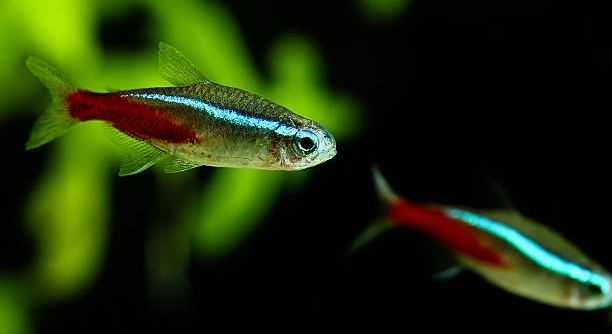
Neon Tetras are beautiful and peaceful fish that thrive in well-maintained aquariums. Creating a natural habitat for them helps reduce stress and brings out their vibrant colors. A few simple adjustments can make a big difference.
To make your Neon Tetra tank more natural, focus on adding live plants, natural substrates, and providing hiding spots. Proper lighting and maintaining clean water will also mimic their natural environment, promoting healthier and happier fish.
By following these tips, you can create a stunning, stress-free environment for your Neon Tetras. The next few sections will explain how to implement these changes in your aquarium for the best results.
Add Live Plants for a Natural Look and Healthy Tank
One of the simplest ways to make your Neon Tetra tank feel more natural is by adding live plants. Plants mimic the lush, dense environments that Neon Tetras thrive in and give your fish a place to hide. You can choose from various species like Java Fern, Anubias, or Amazon Sword. These plants not only improve the look of your aquarium but also help maintain water quality by absorbing excess nutrients and providing oxygen. The movement of the plants will give your fish a sense of security, reducing stress levels and encouraging natural behaviors.
To create a more natural-looking tank, opt for plants that provide shade and shelter. Neon Tetras prefer low light and shaded areas, so plants that cover parts of the tank will make them feel safer.
Incorporating plants also benefits the water’s overall balance. As plants grow, they remove harmful substances like nitrates from the water. This helps keep the water cleaner for longer, reducing the need for frequent water changes and improving the overall health of your fish.
Use Soft Substrates for Better Health
Using a soft substrate in your tank can also enhance the environment. Neon Tetras are bottom-dwelling fish, and they tend to forage through the substrate for food. Sand or fine gravel is an ideal choice, as it mimics their natural habitat and reduces stress on their sensitive bodies.
Soft substrates create a comfortable environment for your Neon Tetras and other tank mates. In addition, they allow beneficial bacteria to thrive, which is important for the tank’s overall health.
Add Hiding Spots and Decorations
Adding hiding spots is essential for making your Neon Tetra tank feel more natural. Neon Tetras are shy fish, and they will appreciate having places to hide when they feel stressed. You can use driftwood, rocks, or decorative caves.
Hiding spots not only provide safety but also encourage natural behaviors. Neon Tetras are schooling fish, but they also need some privacy. When they have the option to hide, they will feel more comfortable swimming around in groups. This helps keep their stress levels down and allows them to explore their tank more freely.
You can also use decorations like hollow logs or plants to create a more interesting environment. These structures mimic the dense underwater plants and fallen trees found in their natural habitats, which gives them an opportunity to interact with their surroundings.
Maintain Proper Water Quality
Maintaining water quality is crucial for creating a healthy and natural environment. Neon Tetras thrive in clean, well-maintained water that resembles their native habitat. Regular water changes, proper filtration, and monitoring water parameters are all key.
Start by checking the temperature, pH, and hardness regularly. Neon Tetras prefer slightly acidic to neutral water with a temperature between 72-78°F. Keeping the water clean also helps prevent algae growth and harmful bacteria. Good filtration will ensure that the water stays clear and well-oxygenated, which is vital for your fish’s health.
Testing the water regularly will allow you to make adjustments quickly, ensuring the conditions stay optimal for your fish. Healthy water supports healthy fish, and in turn, that leads to vibrant, active Neon Tetras.
Use Dim Lighting to Mimic Natural Conditions
Neon Tetras thrive in low-light environments, which is closer to their natural habitat in shaded waters. Using dim lighting in your tank helps reduce stress and encourages your fish to swim more naturally. LED lights with adjustable brightness can provide the right ambiance.
Avoid using bright, harsh lights as they can cause discomfort for your fish and encourage algae growth. Instead, use a timer to control the light cycle and create a day-night rhythm, mimicking the natural transition of light. This will help your Neon Tetras feel more at home.
Avoid Overcrowding Your Tank
Overcrowding your tank can lead to high stress levels for your Neon Tetras. These fish are small and prefer to swim in groups, but too many fish in a small space can cause problems. It’s important to maintain a balanced number of fish for the tank size.
When you overcrowd, water quality suffers quickly, and it becomes harder to maintain a healthy environment. This can stress your fish, lead to aggression, and make it more difficult to manage the tank’s ecosystem. Proper spacing ensures that each fish has room to swim freely and reduces competition for food.
Maintain Stable Temperature
Maintaining a stable water temperature is essential for your Neon Tetras. They thrive in water that stays between 72°F and 78°F. Use a reliable aquarium heater to ensure the temperature remains steady.
Sudden temperature fluctuations can stress your fish and make them more susceptible to illness. A stable environment helps your fish feel secure and promotes their overall health. Checking the temperature regularly will ensure the water stays at the perfect level for your Neon Tetras to thrive.
FAQ
What type of plants should I use in my Neon Tetra tank?
For Neon Tetras, it’s best to choose plants that can thrive in low-light conditions and don’t require intense care. Java Fern, Anubias, and Amazon Sword are popular choices. These plants grow well in aquariums with moderate lighting and don’t require frequent trimming. Floating plants like Frogbit or Duckweed can also be beneficial, providing some shade. Make sure the plants are securely rooted or placed in the substrate to prevent them from floating around too much, as this could disrupt the natural flow of the tank.
How often should I change the water in my Neon Tetra tank?
Water changes depend on the size of your tank, the number of fish, and the filtration system. A general rule is to change 10-20% of the water every week. This helps maintain the water’s quality and removes excess nutrients that could lead to algae growth. If your tank has a higher fish load or lacks a strong filtration system, more frequent changes may be necessary. Always check water parameters like pH, ammonia, nitrites, and nitrates before deciding on the frequency of water changes.
Do Neon Tetras need a heater in their tank?
Yes, Neon Tetras prefer a stable temperature between 72°F and 78°F. While they can tolerate slight fluctuations, extreme temperature changes can stress them out and affect their health. A reliable aquarium heater helps maintain a consistent environment, especially in cooler areas or during winter months. Be sure to monitor the water temperature regularly to ensure it stays within the desired range.
Can Neon Tetras live with other fish?
Neon Tetras are peaceful and generally do well with other non-aggressive fish. They are schooling fish and prefer to be kept in groups of at least six. Tank mates should be small, non-aggressive, and similar in size. Good options include Corydoras Catfish, Guppies, and other peaceful Tetras. Avoid keeping them with large, aggressive fish that could bully or stress them out, such as cichlids.
What should I feed my Neon Tetras?
Neon Tetras are omnivores, so they will eat both plant-based and protein-rich foods. You can feed them a variety of high-quality fish flakes, pellets, or frozen food like brine shrimp and daphnia. It’s important to give them a varied diet to ensure they receive all the necessary nutrients. Feed them small amounts once or twice a day, being careful not to overfeed, as uneaten food can pollute the water.
How do I know if my Neon Tetras are stressed?
Stress in Neon Tetras can show up as changes in behavior, such as hiding more than usual, swimming erratically, or showing signs of illness. If the fish seem to be darting around the tank or staying at the surface, this could indicate stress. Other signs include loss of appetite, faded colors, or frequent scratching against objects. Stress can be caused by water quality issues, overcrowding, sudden temperature changes, or aggression from other fish. Addressing these issues promptly will help reduce stress and improve the health of your fish.
Why are my Neon Tetras losing color?
Neon Tetras are known for their bright, vibrant colors. If their colors start to fade, it could be a sign of stress or poor water quality. Inadequate lighting, poor diet, or high levels of ammonia or nitrites in the water can cause this. Additionally, if your tank is overcrowded or the temperature is unstable, your fish might not show their full color potential. Ensure the water parameters are optimal, feed them a balanced diet, and make sure the tank isn’t too crowded to help them maintain their vibrant hues.
Can I add Neon Tetras to a newly set up tank?
It’s best to wait until your tank is fully cycled before adding Neon Tetras. A newly set up tank often has high levels of ammonia and nitrites, which can be harmful to fish. The cycling process allows beneficial bacteria to grow, which helps break down waste and maintain a stable environment. This process can take 4-6 weeks, so it’s important to test the water regularly before adding your fish. Once the tank has been cycled, your Neon Tetras will have a safer and healthier environment to thrive in.
How many Neon Tetras should I keep together?
Neon Tetras are schooling fish, meaning they feel more comfortable and exhibit more natural behavior when kept in groups. It’s recommended to keep at least six Neon Tetras together. A larger school of fish will help them feel secure, reducing stress and promoting social behavior. A group of 10-12 fish is ideal for a standard aquarium. Keeping fewer than six Tetras may result in more anxiety and stress for the fish, as they may not feel as safe.
Why are my Neon Tetras swimming at the top of the tank?
Neon Tetras are usually mid-water swimmers, but if they are spending a lot of time at the surface, it could indicate an issue with water quality or oxygen levels. High ammonia or low oxygen can make them seek out the surface to breathe. Check the water parameters immediately to make sure the tank is properly cycled, and ensure your filtration system is functioning well. Also, ensure that the temperature is stable and not too high, as this can reduce oxygen levels. If the problem persists, consider improving aeration with an air pump.
Final Thoughts
Creating a natural environment for your Neon Tetras can greatly improve their health and happiness. By focusing on key elements like live plants, hiding spots, and proper water quality, you can make your aquarium a more suitable habitat for your fish. These small changes not only enhance the appearance of the tank but also reduce stress and promote natural behaviors in your Tetras. Remember, providing them with a comfortable, safe space will allow them to thrive and show their true colors.
Maintaining the right conditions for your Neon Tetras is essential for their well-being. Consistent water changes, stable temperature, and proper lighting all play a part in creating an environment that mimics their natural habitat. Pay attention to the size of your tank and avoid overcrowding, as this can lead to poor water quality and stressed fish. Keeping your tank clean and well-maintained will ensure a healthy and happy home for your Neon Tetras.
With a little effort, you can create a peaceful, vibrant tank for your Neon Tetras to enjoy. By following the tips outlined in this article, you’ll be able to build a natural setting that suits their needs. Whether it’s adding more plants, adjusting the lighting, or keeping the water clean, small improvements can make a big difference. Your Neon Tetras will thank you for providing them with a comfortable space where they can swim freely and show their beautiful colors.

Hello,
If you enjoy the content that we create, please consider saying a "Thank You!" by leaving a tip.
Every little bit helps us continue crafting quality advice that supports the health, happiness, and well-being of pets around the world, for pets of all shapes, sizes, and species.
We really appreciate the kindness and support that you show us!