
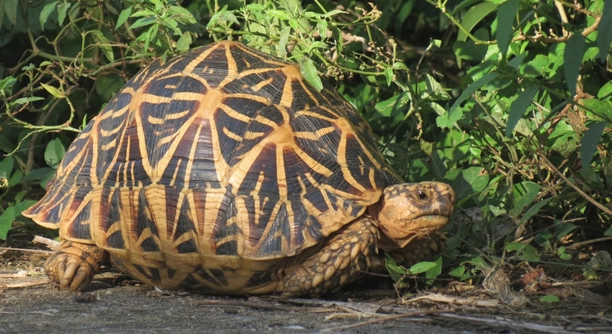
A comfortable and stimulating environment is key for an Indian Star Tortoise to thrive. Creating a suitable tank setup can greatly improve their well-being. Providing the right habitat allows them to express natural behaviors and remain active.
Enhancing your Indian Star Tortoise’s tank can involve several adjustments, such as adding appropriate substrates, climbing structures, and proper lighting. These elements encourage natural behaviors like digging, basking, and exploring, ensuring your tortoise remains healthy and active.
By incorporating these simple changes, you can create a more enriching environment for your tortoise, promoting both physical and mental stimulation.
Create a Comfortable Substrate
The substrate you choose for your Indian Star Tortoise is essential for their comfort and health. A natural, absorbent material like coconut coir or a mix of soil and sand helps mimic their natural environment. This substrate should be deep enough to allow for digging. Tortoises enjoy digging and burrowing, which aids in their physical and mental health. It also helps regulate the temperature and humidity in the tank. Additionally, the substrate should be easy to clean to maintain a hygienic habitat. A natural setup helps keep your tortoise active and engaged, making them more likely to exhibit natural behaviors.
A suitable substrate will encourage your tortoise to move around and explore its surroundings. Proper care and regular changes will ensure a clean and comfortable environment for your pet.
It’s important to avoid using materials like cedar or pine wood shavings, as they can release harmful oils that affect the tortoise’s health. When selecting substrate, focus on options that help maintain a safe, natural habitat.
Proper Lighting and Heat
Proper lighting and heat are crucial for your tortoise’s well-being. They need UVB lighting to ensure they can process calcium, which is vital for shell and bone health. A basking lamp should be used to provide heat in one area of the tank. This setup allows your tortoise to regulate its body temperature by moving between the warm and cooler areas. A temperature gradient of around 85°F to 95°F is ideal for the basking spot, while the cooler area can range between 70°F to 75°F.
To maintain these temperatures, invest in a reliable thermometer and UVB light. The right combination of lighting and heat helps your tortoise feel comfortable and healthy, encouraging natural behaviors like basking and foraging.
A proper heat source will also aid in digestion and promote overall vitality. Adjusting the tank’s lighting and temperature as needed helps create a stable, safe environment where your tortoise can thrive.
Add Hiding Spots
Indian Star Tortoises need a place to hide when they feel stressed or need privacy. Simple hiding spots can be created using rocks, logs, or commercial reptile caves. A quiet, dark space in the tank provides a sense of security. It can help your tortoise manage stress and remain healthy.
Adding multiple hiding spots in various areas of the tank will allow your tortoise to retreat to different spots, depending on its preference. This gives them the freedom to choose a secure space when feeling overwhelmed. It’s essential to provide these spaces for mental well-being.
A proper hiding spot should be big enough for your tortoise to comfortably retreat into but small enough to make it feel secure. Use natural materials, like wood or rocks, to mimic their environment. Keep it clean to prevent any buildup of waste or bacteria.
Incorporate Climbing Structures
Tortoises enjoy climbing and exploring their surroundings. Adding small, sturdy rocks or logs will encourage them to climb, providing physical exercise. Climbing also helps prevent obesity and promotes healthy shell growth. It’s an easy way to enrich your tortoise’s habitat.
Climbing structures should be low enough to prevent injury, with plenty of stable surfaces to explore. Vary the types of surfaces, from smooth rocks to rough bark, so your tortoise can enjoy different textures. Ensure that everything is securely placed to avoid accidental falls.
You can also create small ramps or gentle slopes, so your tortoise can safely climb and descend without stress. These features help maintain your pet’s agility and stimulate its curiosity, leading to more active and healthy behaviors.
Provide Fresh Water
Fresh water is essential for your Indian Star Tortoise’s hydration. A shallow, clean dish should be placed in the tank to allow easy access. Make sure to change the water regularly to keep it free from contaminants. Hydration is important for digestion and overall health.
Your tortoise will drink when it feels the need, so providing fresh water daily is key. Avoid deep water dishes, as they can pose a drowning risk. A wide, shallow container is ideal for your pet to drink from comfortably. Keep it clean to prevent bacterial growth.
Add Natural Plants
Incorporating live plants in your tortoise’s tank can provide both food and enrichment. Plants like dandelion, clover, and grass are safe and provide a natural source of nutrition. They can also help with humidity levels, improving the environment for your tortoise.
Live plants also create a more natural, visually appealing habitat. Tortoises will enjoy grazing on safe, edible plants while also benefiting from the shade they provide. The plants help keep the environment dynamic, encouraging your tortoise to explore and forage more.
Monitor Tank Size
The size of the tank is critical to your tortoise’s overall well-being. A larger tank allows for more space to roam, explore, and engage in natural behaviors. Overcrowding can lead to stress and hinder your tortoise’s health.
It’s essential to provide a tank that is big enough for your tortoise to move around comfortably. A good rule of thumb is to provide at least 10 square feet of space for an adult Indian Star Tortoise. This space allows them to bask, forage, and create a sense of security within their environment.
FAQ
What is the ideal temperature for an Indian Star Tortoise’s tank?
Maintaining the right temperature is essential for your tortoise’s health. The basking area should range between 85°F to 95°F, while the cooler side should stay between 70°F and 75°F. A temperature gradient helps them regulate their body heat, which is important for digestion and overall well-being.
Do Indian Star Tortoises need UVB light?
Yes, UVB lighting is necessary for Indian Star Tortoises. UVB helps them produce vitamin D3, which is vital for calcium absorption. Without proper UVB exposure, your tortoise could develop metabolic bone disease. A UVB light should be on for about 10 to 12 hours a day, and it should be replaced every 6 months for effectiveness.
Can I keep multiple Indian Star Tortoises together?
While it’s possible to keep multiple tortoises together, it’s important to consider their behavior. Indian Star Tortoises are generally solitary animals and may become territorial, leading to aggression. If you choose to house more than one, make sure the enclosure is large enough for each tortoise to have its own space. Monitor them closely to ensure they get along.
How often should I feed my Indian Star Tortoise?
Your Indian Star Tortoise should be fed daily, offering fresh leafy greens, grasses, and occasional vegetables. It’s important to provide a varied diet to ensure proper nutrition. Avoid feeding too many high-oxalate or high-protein foods, as they can cause health issues. Offering a balanced diet will keep your tortoise healthy.
Can I feed my Indian Star Tortoise fruit?
Fruit can be offered as a treat in moderation. While tortoises enjoy fruit, it should not make up a significant part of their diet due to its high sugar content. Offer fruits like strawberries or melons occasionally to add variety but focus primarily on leafy greens, grasses, and edible plants.
What substrate is best for my Indian Star Tortoise’s tank?
A natural substrate like coconut coir, organic soil, or a mix of sand and soil works best for Indian Star Tortoises. It should be deep enough for your tortoise to dig and burrow. Avoid using cedar or pine shavings as they contain oils harmful to reptiles. Keep the substrate clean and dry.
How do I maintain proper humidity for my Indian Star Tortoise?
Indian Star Tortoises require a relatively low humidity level, around 50% to 60%. You can achieve this by misting the tank lightly or using a humidity gauge to monitor levels. Avoid over-misting, as high humidity can lead to respiratory problems. Make sure the substrate stays dry enough to prevent fungal growth.
What kind of lighting should I use for my Indian Star Tortoise?
Use a combination of UVB and heat lamps for proper lighting. A UVB bulb helps with calcium absorption, while a heat bulb provides warmth for basking. Place the heat lamp above the basking spot, ensuring it reaches the ideal temperature. Make sure to position the UVB bulb close enough for your tortoise to benefit from it.
Can I use ceramic heat emitters instead of heat lamps?
Yes, ceramic heat emitters are an option. They provide heat without emitting light, which can be useful for nighttime heating or for tortoises that prefer a darker environment at night. Ensure you monitor the tank’s temperature, as ceramic emitters can sometimes heat unevenly.
How can I make my Indian Star Tortoise’s tank more enriching?
To create an enriching environment, add structures like rocks, logs, and plants for climbing and hiding. Provide a variety of surfaces, such as smooth rocks and rough bark, to encourage physical activity. Ensure the tank is large enough for them to explore and stay active. Adding safe plants can also provide food and natural stimulation.
What are the signs of a healthy Indian Star Tortoise?
A healthy tortoise will have clear, bright eyes, smooth and intact shell plates, and an active, alert demeanor. It will show interest in its food and be physically active. A lack of appetite, lethargy, or abnormal behavior could indicate a health issue and should be addressed with a vet.
How can I tell if my Indian Star Tortoise is stressed?
Signs of stress in Indian Star Tortoises include hiding excessively, refusal to eat, or defensive behaviors like hissing. Stress can be caused by improper tank conditions, overcrowding, or a lack of hiding spaces. Make sure their environment is set up correctly, with appropriate temperature, humidity, and enough space to avoid stress.
Is it necessary to soak my Indian Star Tortoise?
Occasionally soaking your tortoise in warm, shallow water can help with hydration and digestion, especially if they are not drinking enough water. Soaking should not be done daily, but providing this as an option once a week or so can help your tortoise stay healthy. Always monitor the soaking time to prevent them from becoming too cold or stressed.
What should I do if my Indian Star Tortoise is not eating?
If your tortoise stops eating, first check if the tank conditions (temperature, humidity, lighting) are appropriate. A lack of appetite could be a sign of stress, illness, or poor environmental conditions. If the problem persists, it’s best to consult a vet specializing in reptiles for advice.
Can my Indian Star Tortoise live outdoors?
Yes, Indian Star Tortoises can live outdoors in suitable climates. They need a secure, safe outdoor enclosure with access to shade, shelter, and fresh food. Outdoor enclosures should be protected from predators, and temperatures must stay within a safe range. Monitor their health closely during outdoor exposure.
Final Thoughts
Caring for an Indian Star Tortoise requires attention to their specific needs, including proper temperature, humidity, and diet. A well-maintained environment with a balanced diet and proper lighting can contribute to their overall health and well-being. Understanding their behavior and preferences helps in creating a space that keeps them active and comfortable.
Proper enrichment is crucial for Indian Star Tortoises to thrive. Adding objects for climbing and hiding, along with a varied substrate, creates an engaging habitat. Regular maintenance of their enclosure, such as cleaning and monitoring temperature and humidity levels, ensures they stay healthy. Providing these elements not only supports their physical health but also encourages natural behaviors.
Lastly, being aware of common health concerns and signs of stress will allow you to address any issues before they escalate. If your tortoise is not eating, appears lethargic, or shows abnormal behavior, it’s essential to seek professional advice. Regular vet check-ups and staying informed about their needs will ensure your Indian Star Tortoise leads a healthy and enriched life.

Hello,
If you enjoy the content that we create, please consider saying a "Thank You!" by leaving a tip.
Every little bit helps us continue crafting quality advice that supports the health, happiness, and well-being of pets around the world, for pets of all shapes, sizes, and species.
We really appreciate the kindness and support that you show us!