
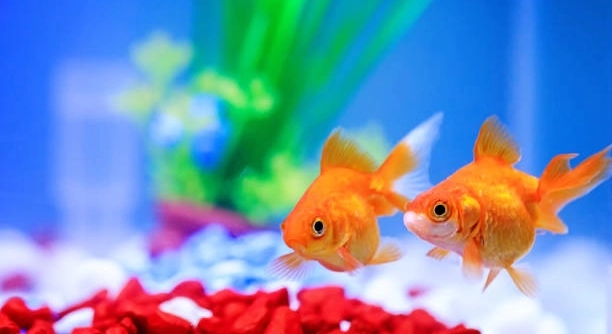
Goldfish tanks can be beautiful, but they often look a little too artificial. Making your tank appear more natural doesn’t have to be hard. With a few simple changes, you can create a peaceful, realistic environment for your goldfish.
Creating a more natural look for your goldfish tank involves using live plants, natural decorations, and proper lighting. These elements mimic the goldfish’s natural habitat, making them feel more at ease while enhancing the overall aesthetic of the tank.
Incorporating these easy-to-follow tips will transform your goldfish tank into a serene aquatic space.
Use Live Plants to Add Realism
Live plants are one of the easiest ways to bring a natural feel to your goldfish tank. They provide not only aesthetic beauty but also help maintain a balanced ecosystem. Plants like Java ferns, anubias, and hornwort are perfect for goldfish tanks, as they can thrive in low light and are easy to care for.
A well-planted tank mimics natural environments where goldfish live, offering shelter and oxygen. Plants also absorb excess nutrients, helping to keep the water clean and clear. They create hiding spots for your fish, which can reduce stress and encourage more natural behaviors.
When choosing plants, make sure they are compatible with goldfish, as some plants can be eaten or uprooted by them. Opt for plants with sturdy leaves, or consider placing them in pots to prevent damage. Additionally, regular trimming helps the plants grow healthily without overcrowding the tank.
Choose Natural Decorations
Using decorations that resemble rocks, driftwood, or stones can further enhance your tank’s natural look. These items give the tank a more wild, aquatic appearance.
Decorations made from natural materials, like smooth stones or untreated wood, allow your goldfish to explore and hide. They create a more stimulating environment and encourage your fish to swim and interact with the elements. Driftwood, in particular, adds a calming effect with its natural color and texture.
Make sure any decorations you use are safe for goldfish. Avoid sharp or small objects that could harm them. Choose pieces that are large enough to be stable but still allow for swimming space.
Add Natural Lighting
Natural lighting helps create a peaceful atmosphere in your goldfish tank. Fish are sensitive to light, and a well-lit tank mimics daylight cycles they experience in the wild. Too much artificial lighting can stress them, so aim for a balanced approach.
Placing your tank near a window with indirect light can help. Ensure the room doesn’t get too hot or cold, as extreme temperatures can harm both the tank’s ecosystem and the fish. Avoid direct sunlight, which could cause algae growth or temperature fluctuations. If natural light isn’t enough, consider using a timer to control artificial lighting.
Consistent light and dark cycles are important for your goldfish’s health. A 12-hour light and 12-hour dark schedule mimics the natural rhythm of day and night. This also promotes healthy sleep cycles, which is essential for their well-being. Additionally, appropriate lighting enhances the tank’s overall beauty, showcasing your fish and plants more vividly.
Use a Substrate That Resembles Natural Habitats
The right substrate can play a major role in making your tank look more natural. Choose fine gravel or sand, as these mimic the natural bottoms of rivers and lakes where goldfish are often found.
A fine substrate is gentle on your goldfish’s sensitive fins and encourages them to forage like they would in their natural habitat. It also supports the growth of plants, which is vital for maintaining water quality. Gravel and sand help filter the water, keeping it cleaner by allowing beneficial bacteria to grow.
Before adding substrate, rinse it thoroughly to remove any dust or debris that could affect water quality. Opt for a mix of fine gravel and sand to create depth and texture. This adds visual interest while making the tank more comfortable for your fish.
Avoid Overcrowding the Tank
Overcrowding can make your goldfish tank feel cramped and artificial. It’s important to provide enough space for each fish to swim freely and comfortably. Too many fish can lead to stress and poor water quality.
Keeping the number of goldfish in proportion to the size of the tank will prevent these issues. A good rule of thumb is 1 inch of fish per gallon of water, but it’s best to give them more space. Goldfish grow large, so ensure your tank can accommodate them as they mature. Proper spacing also allows for better circulation and filtration.
Keep Water Quality Consistent
Maintaining good water quality is essential for creating a natural environment for your goldfish. Clean, fresh water ensures that plants thrive and fish stay healthy. Regular water changes are important for removing waste and toxins.
Test the water frequently to monitor pH, ammonia, nitrites, and nitrates. These parameters are vital for a stable ecosystem. Use a filter to keep the water clear and provide oxygen for both plants and fish. A consistent water temperature, free from sudden changes, helps goldfish feel more at ease in their habitat.
Choose Compatible Tankmates
Choosing the right tankmates for your goldfish can improve both their environment and overall health. Goldfish tend to get along well with other peaceful, non-aggressive species.
Look for fish that enjoy similar water conditions and temperatures. Avoid species that could harm your goldfish or compete for food. Opt for calm fish that won’t stress out the goldfish. Adding a variety of fish can enhance the natural look of your tank, making it feel more like a real aquatic environment.
FAQ
What plants are best for a goldfish tank?
Goldfish are notorious for nibbling on plants, so it’s important to choose hardy ones that can withstand their behavior. Java ferns, anubias, and hornwort are excellent choices. These plants are sturdy, grow well in low light, and are less likely to be eaten. Live plants improve water quality and offer goldfish hiding spots. Just be sure to avoid delicate plants like water lilies or floating plants that can be quickly destroyed.
How often should I change the water in my goldfish tank?
You should change 20-30% of the water every week to maintain good water quality. Goldfish produce a lot of waste, which can lead to an excess of ammonia and other harmful substances in the water. Regular water changes help prevent this buildup and keep the tank healthy. Make sure to use a water conditioner to remove chlorine from tap water, and always match the new water’s temperature to the tank’s to avoid shocking your fish.
Do goldfish need a filter in their tank?
Yes, goldfish require a filter. They are messy eaters and produce a lot of waste, which can quickly pollute the tank if not filtered out. A good filter helps keep the water clean and provides much-needed oxygen to the tank. Choose a filter rated for your tank size and ensure it’s capable of filtering all the water in the tank multiple times per hour. Regularly clean the filter to ensure it continues working effectively.
What type of lighting do goldfish need?
Goldfish don’t need overly bright or specialized lighting. They thrive with a natural light cycle, so aim for 10-12 hours of light each day. If natural light isn’t enough, use an aquarium light with a timer. Avoid bright lights or lights that stay on all day, as this can stress the fish. Keep the light gentle, and make sure it doesn’t lead to temperature fluctuations in the tank.
Can goldfish live with other fish?
Goldfish can live with other fish, but you need to choose their tankmates carefully. Ideal companions are peaceful species that enjoy similar water conditions. Avoid aggressive or overly active fish, as they may stress your goldfish or compete for food. Avoid keeping goldfish with species that have long, delicate fins, as goldfish tend to nip at them. Some compatible tankmates include zebra danios, white cloud minnows, and certain types of snails.
What should I feed my goldfish?
Goldfish are omnivores and will eat a variety of foods, including pellets, flakes, and live or frozen food like brine shrimp. Offer a balanced diet that includes plant matter, such as blanched spinach or peas, and protein. Goldfish have small stomachs, so feed them small portions two or three times a day. Be careful not to overfeed, as excess food can pollute the tank and lead to health problems for your fish.
How do I prevent algae in my goldfish tank?
Algae thrive in tanks with excessive light and nutrients. To prevent algae growth, keep the tank’s light exposure limited to 10-12 hours per day and make sure it doesn’t get direct sunlight. Regularly clean the tank and remove any visible algae from surfaces. Using a filter and ensuring proper water circulation will also help. Adding algae-eating fish, like snails or certain species of fish, can also help keep algae under control.
How do I know if my goldfish is sick?
Signs of illness in goldfish include swimming erratically, staying near the surface or bottom of the tank, loss of appetite, faded color, or visible signs like white spots or bloated bellies. If your goldfish is showing unusual behavior or physical symptoms, it’s important to test the water quality first. Poor water conditions often lead to illness. If water quality is fine, consider consulting a vet who specializes in fish for treatment.
How big should my goldfish tank be?
Goldfish require space to grow, and the bigger the tank, the better. As a general rule, a 20-gallon tank is the minimum for one goldfish. For each additional goldfish, add 10 gallons. Goldfish grow large and need room to swim freely. A larger tank also helps maintain better water quality and gives you more flexibility with tankmates and decorations.
How can I make my goldfish tank look more natural?
To create a more natural environment, use live plants, natural decorations like rocks or driftwood, and a substrate that mimics natural habitats. Goldfish thrive in environments that resemble their native waters. Keep the water clean, add plenty of hiding spaces, and use natural lighting to enhance the atmosphere. The goal is to reduce any artificial or cluttered elements and make the tank feel more like an actual aquatic habitat.
Final Thoughts
Creating a natural-looking environment for your goldfish is simple and can make a significant difference in both the tank’s appearance and your fish’s well-being. By using live plants, natural decorations, and proper lighting, you can turn your tank into a beautiful, calming space. A few small changes, like choosing a suitable substrate or adding compatible tankmates, will make the tank feel more like a natural habitat for your goldfish. Not only does this make your goldfish feel more at home, but it can also help them thrive in a healthier environment.
Remember that maintaining a healthy and natural-looking tank is an ongoing process. Consistent water changes, monitoring the water quality, and feeding your goldfish the right food are all important aspects to consider. You’ll also need to clean decorations and trim plants regularly to prevent overgrowth and keep everything looking fresh. The goal is to create a balanced ecosystem where both your goldfish and plants can flourish. Regular care and attention to detail can help you avoid common problems like algae buildup and poor water quality.
In the end, it’s about finding the right balance between aesthetics and practicality. While you want your goldfish tank to look beautiful, it’s equally important to create an environment that meets the needs of your fish. With a bit of time and effort, you can make your tank a peaceful, natural-looking haven where your goldfish can thrive. Taking these steps will ensure your tank stays healthy and visually appealing, providing you and your fish with years of enjoyment.

Hello,
If you enjoy the content that we create, please consider saying a "Thank You!" by leaving a tip.
Every little bit helps us continue crafting quality advice that supports the health, happiness, and well-being of pets around the world, for pets of all shapes, sizes, and species.
We really appreciate the kindness and support that you show us!