
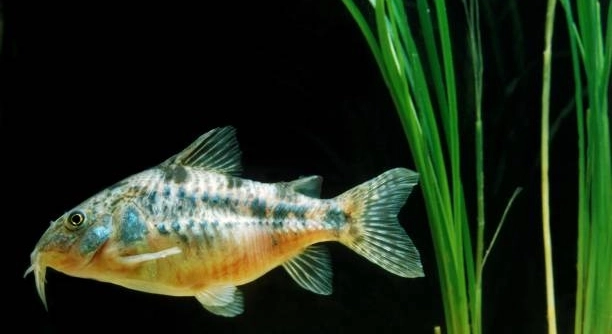
Creating a comfortable environment for your Corydoras catfish is essential for their well-being. Small adjustments can make a big difference in the overall health and happiness of your fish. A few changes can significantly enhance their living conditions.
The most effective ways to improve your Corydoras catfish’s tank environment include maintaining clean water, providing hiding spots, offering proper substrate, controlling light levels, ensuring adequate water flow, introducing compatible tank mates, and regularly monitoring water quality.
These simple adjustments will enhance your Corydoras catfish’s quality of life and create a more enjoyable and stable habitat.
Proper Tank Setup
Creating the right tank environment for your Corydoras catfish starts with setting up the perfect habitat. These fish thrive in clean, well-maintained water with a stable temperature. A soft, sandy substrate is ideal since Corydoras like to sift through the sand. It also helps to provide enough space for them to swim freely and explore. Avoid sharp objects in the tank that could hurt their delicate barbels.
The water should be soft with a slightly acidic pH level. Regular water changes are key to preventing the buildup of harmful toxins. Consistent water temperature, ideally between 72–78°F (22–26°C), helps maintain their health.
Adding plants and decorations like rocks or driftwood can enhance the environment, offering places for your fish to hide and explore. They are naturally shy creatures, so these additions will make them feel secure and at ease. A proper setup allows them to display more natural behavior.
Tank Maintenance
Regular maintenance is essential for keeping your Corydoras catfish happy and healthy.
Performing weekly water changes and checking water parameters like pH, ammonia, and nitrate levels keeps their environment safe. This ensures a stable environment without harmful chemicals. Over time, tank upkeep can become part of your routine.
Keeping the tank clean doesn’t have to be a hassle. Set up a schedule and monitor key factors like filter maintenance and substrate cleanliness. Regularly vacuum the substrate to remove excess waste, and make sure your filter is running properly.
Providing Hiding Spots
Corydoras catfish feel safest when they have places to hide. Offering them various hiding spots in the tank reduces stress. These fish are shy by nature and thrive when they can retreat to a secure space when they feel threatened.
Use rocks, caves, or plants to create sheltered areas. These not only mimic their natural habitat but also help reduce aggression from other tank mates. You can arrange the decorations in a way that allows them to swim freely while still providing enough hiding spots.
Ensure the hiding spots are large enough for your Corydoras to fit comfortably but not too small to restrict movement. The key is to have enough options for them to retreat to, as it provides a sense of security.
Tank Mates
Choosing compatible tank mates for your Corydoras catfish is crucial for creating a peaceful environment. They are peaceful and enjoy the company of non-aggressive fish. Avoid large or overly active species that might stress them out.
Small fish like tetras, guppies, or rasboras work well with Corydoras. They won’t compete with the catfish for space or food. Keep in mind that Corydoras prefer to be in groups, so having a few together promotes better social behavior. Avoid aggressive fish that could intimidate or harm them.
Introduce new tank mates gradually, keeping an eye on behavior to ensure they all coexist peacefully. Maintaining a balanced and harmonious tank environment will help your Corydoras feel more at ease.
Proper Substrate
The right substrate is essential for your Corydoras catfish’s well-being. They prefer soft, sandy substrates that mimic their natural environment. Avoid gravel with sharp edges, as it can damage their delicate barbels. Sand allows them to sift through it without causing harm.
A thin layer of sand is perfect for Corydoras. You can also use fine-gravel, but it must be smooth. This allows the fish to forage for food without injury. Ensure the substrate is cleaned regularly to avoid waste accumulation, which can affect water quality.
Water Flow
Corydoras catfish enjoy a gentle current. They are not strong swimmers, so it’s important to have a filter that provides smooth water movement. Too much current can stress them out and make it difficult for them to move around.
Adjust your filter to ensure it doesn’t create strong water flow. You can also use a sponge filter, which is gentle on them while still providing adequate filtration. A good balance in water movement makes the environment more comfortable for your Corydoras.
FAQ
How often should I feed my Corydoras catfish?
Corydoras catfish should be fed 2-3 times a day in small amounts. They are bottom feeders and will search for food that falls to the substrate. Make sure to remove any uneaten food after a few hours to avoid water contamination. Overfeeding can lead to water quality issues, so feed only what they can eat in a short time.
Can Corydoras live alone?
It’s best to keep Corydoras in groups of at least three to five. They are social fish and feel more secure when they have others around. A group also helps them exhibit more natural behaviors. Keeping them alone can lead to stress and a decrease in overall health.
What type of water temperature do Corydoras need?
Corydoras catfish thrive in temperatures between 72–78°F (22–26°C). It’s important to keep the water temperature stable, as sudden changes can cause stress. You can use a heater to maintain consistent temperature levels in the tank. A thermometer will help you monitor the water conditions effectively.
Are Corydoras catfish good for beginners?
Yes, Corydoras are generally great for beginner aquarium owners. They are hardy, peaceful, and easy to care for, making them an excellent choice for new hobbyists. However, regular tank maintenance is important to keep the water conditions ideal for their health and well-being.
Do Corydoras need a filter?
A filter is essential for maintaining good water quality in your tank. Corydoras catfish need clean water to stay healthy. A proper filter helps remove toxins, excess food, and waste. However, be mindful of the water flow; Corydoras prefer gentle currents.
What should I do if my Corydoras are not eating?
If your Corydoras aren’t eating, it could be due to poor water conditions or stress. Check the water quality, including temperature, pH, and ammonia levels. Make sure your fish are not being bullied by other tank mates. You may also try offering a different type of food to see if they show interest.
Can Corydoras eat fish flakes?
While Corydoras can eat fish flakes, it’s better to offer them food designed for bottom feeders, like sinking pellets. These provide more nutrition and are easier for them to find. You can occasionally supplement their diet with live or frozen food, such as brine shrimp or bloodworms.
How can I prevent my Corydoras from getting stressed?
To prevent stress, ensure your Corydoras have plenty of hiding spots in the tank. Avoid keeping them with aggressive or overly active fish. Maintaining stable water conditions and feeding them at the right times also helps reduce stress. A calm, well-maintained tank will allow them to thrive.
Do Corydoras catfish need special tank equipment?
Corydoras do not require special equipment but do best with a sponge filter or a gentle water flow filter. A substrate of fine sand is essential for their comfort, and they may also benefit from live plants and hiding places. A reliable heater is also recommended to maintain the proper temperature.
Can Corydoras catfish live with shrimp?
Yes, Corydoras can live with shrimp, as long as the shrimp species is not too small to be seen as food. Corydoras are peaceful and are more likely to ignore the shrimp. However, larger shrimp species may help keep the tank clean, and both will coexist without issues.
How do I know if my Corydoras are happy?
Happy Corydoras will swim actively around the tank, search for food on the substrate, and interact with other fish. They will show natural behavior, such as sifting through the sand and staying in groups. If they are hiding too much or not eating, it could be a sign of stress.
How do I clean my Corydoras tank?
Regular cleaning of the tank is crucial for maintaining water quality. Perform weekly water changes, replace filter media when necessary, and vacuum the substrate to remove waste. Make sure not to disrupt the plants or decorations too much when cleaning. Always monitor water conditions after cleaning.
Can I breed Corydoras catfish in my tank?
Yes, Corydoras catfish can breed in a well-maintained tank. To encourage breeding, provide them with clean, slightly cooler water and a balanced diet. The female will lay eggs on surfaces like plants or glass, and the male will fertilize them. After spawning, remove the adults to prevent them from eating the eggs.
Do Corydoras catfish need a lot of space?
Corydoras do not require a lot of space, but they do appreciate a tank that is at least 20 gallons for a small group. A larger tank with more swimming area allows them to display their natural behavior and interact more freely with each other. Ensure the tank has sufficient hiding spots.
Why do my Corydoras swim at the surface?
Corydoras usually stay near the bottom, but if they’re swimming at the surface, it could indicate poor water quality or low oxygen levels. Check the oxygen levels in the tank and ensure the filtration system is working properly. It’s also possible they are stressed, so consider tank adjustments.
Do Corydoras catfish need a light cycle?
Yes, Corydoras need a regular light cycle, as they are naturally more active during the day. Providing about 10-12 hours of light each day will mimic their natural environment and help maintain a healthy day-night rhythm. Avoid leaving the lights on all the time, as it can stress the fish.
Final Thoughts
Corydoras catfish are peaceful and relatively low-maintenance fish that make an excellent addition to a well-balanced tank. By providing the right environment, such as gentle water flow, proper substrate, and suitable tank mates, you can ensure these fish thrive in their aquatic home. Understanding their social nature and need for hiding spots will also help reduce stress and allow them to live comfortably. Regular water changes, maintaining water quality, and observing your fish for any signs of stress or illness will go a long way in keeping them healthy.
Feeding Corydoras correctly is important. A diet of sinking pellets, supplemented with occasional live or frozen foods, will provide the necessary nutrients for these bottom-dwelling fish. Overfeeding should be avoided to prevent water contamination and health problems. Keeping a routine for feeding, combined with regular tank maintenance, helps create a stable and healthy environment for your Corydoras. Always monitor their eating habits to ensure they are getting enough food, but not too much.
By paying attention to their specific needs, you can create an environment where Corydoras catfish can thrive and enjoy their time in your tank. Whether you are a beginner or an experienced aquarium hobbyist, these fish are relatively easy to care for, as long as their essential needs are met. With proper care, Corydoras catfish will add peaceful charm to your aquarium for years to come.

Hello,
If you enjoy the content that we create, please consider saying a "Thank You!" by leaving a tip.
Every little bit helps us continue crafting quality advice that supports the health, happiness, and well-being of pets around the world, for pets of all shapes, sizes, and species.
We really appreciate the kindness and support that you show us!