
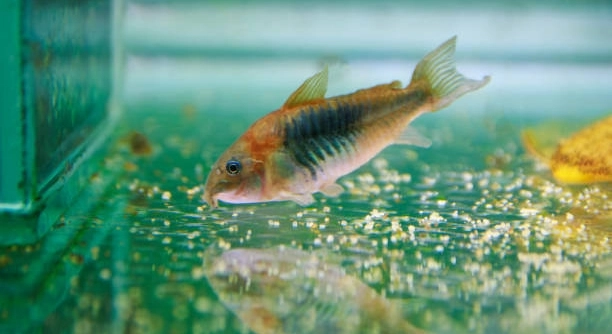
Corydoras catfish are delightful and hardy creatures, but adjusting to a new tank can be stressful for them. Their comfort is key to helping them thrive in their new environment. Here are some simple tips to make them feel more at home.
To make your Corydoras catfish comfortable in a new tank, focus on water quality, proper tank setup, and gentle acclimation. Ensuring stable temperature, hiding spots, and minimal tank stress can greatly improve their adjustment period and overall well-being.
The following steps will help ensure that your Corydoras catfish settle in easily and live a happy, stress-free life in their new home.
1. Maintain Proper Water Quality
One of the most important factors in keeping your Corydoras catfish comfortable is ensuring the water quality remains high. These fish are sensitive to changes in their environment, especially when it comes to ammonia, nitrites, and pH levels. Test the water regularly and keep it within the ideal range for Corydoras. They prefer slightly acidic to neutral water, with temperatures between 72-78°F (22-26°C). Regular water changes are essential to remove toxins and keep the tank clean. A reliable filtration system helps maintain clean water, but be sure it doesn’t create strong currents as Corydoras prefer calm waters.
Good water quality is vital not only for their comfort but also for their long-term health. It’s a simple step that can make a huge difference in their overall well-being.
Keeping the water clean and balanced is not only good for the catfish but also helps other tank inhabitants. It will minimize stress and encourage your Corydoras to explore their new environment, feel safe, and thrive.
2. Provide Hiding Spots
Corydoras catfish are naturally shy and enjoy having places to hide. Adding caves, plants, and rocks to their tank provides security and allows them to escape from potential stress. They love to burrow into the substrate, so make sure there’s enough soft sand or fine gravel for them to dig into comfortably. These hiding spots help them feel less exposed and reduce stress levels, especially when they are adjusting to a new tank.
A well-planted tank offers the perfect balance between hiding spaces and open areas for swimming. Adding lush plants, driftwood, or rocks provides natural-looking cover, mimicking their natural habitat. It helps them feel safe and less exposed.
Corydoras are social fish, but they still need their alone time. With adequate hiding spots, they can retreat and feel protected when needed. This will help them become more active and comfortable in their new home.
3. Acclimate Slowly to the New Tank
When introducing your Corydoras to a new tank, it’s crucial to acclimate them slowly. Rapid changes in water parameters can cause stress and health issues. Float the bag containing your fish in the tank for about 15 minutes, allowing the water temperatures to equalize. After that, gradually add small amounts of tank water to the bag over 30 minutes. This ensures the fish get used to the new water conditions before being fully released into their new home.
The key to successful acclimation is patience. Moving too quickly can shock the fish, leaving them vulnerable to illness. A gradual introduction gives them time to adjust and ensures a smoother transition to their new environment.
By allowing your Corydoras time to adjust at their own pace, you’ll minimize stress and make the process easier for both the fish and you. Their chances of thriving in the new tank increase significantly.
4. Maintain a Stable Temperature
Corydoras catfish are sensitive to temperature fluctuations, so maintaining a stable temperature is essential. Avoid placing the tank near windows or in drafty areas, as temperature changes can stress your fish. The ideal range for Corydoras is between 72°F and 78°F (22°C to 26°C).
Investing in a quality aquarium heater will help regulate the tank’s temperature consistently. Make sure the heater is properly calibrated and suited for the tank size. Use a thermometer to monitor the water temperature regularly to ensure stability.
A consistent and stable temperature helps reduce stress on your Corydoras catfish and keeps them healthy. Sudden shifts in temperature can weaken their immune system, making them more prone to disease. Maintaining the right temperature ensures that your fish stay comfortable and active.
5. Avoid Strong Tank Currents
Corydoras catfish prefer calm waters, so it’s important to avoid strong currents in their tank. Too much water flow can make them stressed and limit their ability to swim comfortably. Consider using a gentle filter or an adjustable flow rate to regulate water movement.
By controlling the flow, you’ll provide a peaceful environment that encourages your Corydoras to explore and feel safe. A calmer tank will also allow them to rest and feed without constant struggle against the current.
6. Provide a Soft Substrate
Corydoras are bottom-dwellers and enjoy digging through soft substrates. Use fine gravel or sand, as these materials are gentle on their sensitive barbels. Sharp edges from coarse gravel or stones can cause injury, so it’s crucial to create a smooth surface.
A soft substrate also allows your Corydoras to display their natural foraging behavior. It makes the tank environment feel more like their natural habitat, which helps them adjust more easily and comfortably. The substrate also aids in keeping the water clean by preventing waste from getting trapped.
7. Keep Tankmates Peaceful
Corydoras catfish are peaceful creatures and prefer to share their space with other non-aggressive fish. Aggressive tankmates can stress them out and even cause harm. It’s important to choose fish that won’t compete aggressively for food or territory.
FAQ
What is the best water temperature for Corydoras catfish?
The ideal water temperature for Corydoras catfish is between 72°F and 78°F (22°C to 26°C). It’s important to keep the temperature stable to avoid stressing the fish. Avoid placing the tank in areas where the temperature can fluctuate, like near windows or air conditioning units. A reliable aquarium heater can help maintain this range consistently, which will make your Corydoras feel more comfortable and thrive.
How often should I change the water in my Corydoras tank?
You should perform partial water changes of about 25-30% every week to maintain good water quality. If the tank is heavily stocked, you may need to change the water more frequently. Regular water changes remove toxins like ammonia and nitrites, which can harm your fish. It’s also a good idea to vacuum the substrate during each change to remove debris that may build up.
Can Corydoras live with other fish?
Yes, Corydoras are peaceful fish and get along well with most non-aggressive tankmates. They do best with other calm species that don’t compete for food or space. Avoid keeping them with large, aggressive fish that may stress them out or try to eat them. Small peaceful species like tetras or other catfish make good tankmates for Corydoras.
Do Corydoras need a filter?
Yes, Corydoras need a filter to maintain clean and oxygenated water. However, the filter’s flow should not be too strong. Corydoras prefer calm waters, so use a filter with adjustable flow settings or a sponge filter to avoid creating excessive current. Regular maintenance of the filter is essential to prevent it from clogging and to ensure water quality remains optimal.
How many Corydoras should I keep together?
Corydoras are social fish and should be kept in groups of at least 4-6 individuals. Keeping them in groups helps them feel more secure and reduces stress. A larger group also encourages natural behavior, such as foraging and interacting with one another. Keeping just one or two Corydoras can cause loneliness and anxiety, leading to health problems.
What do Corydoras catfish eat?
Corydoras are omnivores and enjoy a varied diet. In their natural environment, they forage on small invertebrates, algae, and detritus. In captivity, you can feed them high-quality sinking pellets, frozen or live food like brine shrimp, and occasional plant matter. Make sure to provide a balanced diet to support their overall health.
Are Corydoras catfish good for beginners?
Yes, Corydoras are a great choice for beginner aquarium owners. They are hardy, easy to care for, and adapt well to various water conditions. However, like all fish, they still require attention to their basic needs, including water quality, tank setup, and feeding. With proper care, they can live for several years and add beauty and activity to your tank.
Why is my Corydoras catfish hiding?
Corydoras tend to hide when they are stressed, sick, or adjusting to a new tank. They are naturally shy and may need time to acclimate to new surroundings. If they are hiding for long periods, check for signs of illness, such as faded color, loss of appetite, or unusual behavior. Ensuring that there are enough hiding spots and keeping the water conditions stable can also help reduce stress.
Can Corydoras catfish breed in a home aquarium?
Yes, Corydoras can breed in a well-maintained home aquarium. However, breeding typically requires specific conditions, such as a drop in temperature, changes in water chemistry, and the presence of suitable tankmates. Female Corydoras usually lay their eggs on smooth surfaces like leaves or glass, where the male fertilizes them. The eggs will hatch in a few days, and the fry can be fed with powdered food or baby brine shrimp.
How long do Corydoras live?
Corydoras catfish typically live for 5-7 years in a well-maintained tank, though some can live longer with optimal care. Their lifespan depends on water quality, diet, and the absence of diseases. By maintaining a stable environment and meeting their basic needs, you can help your Corydoras live a long and healthy life.
Can Corydoras survive in cold water?
Corydoras are tropical fish, and they do best in warm water. They are not well-suited for cold water tanks, as they can become stressed and susceptible to illness in temperatures below 70°F (21°C). If you live in a colder climate, it’s important to use an aquarium heater to maintain the proper temperature range.
Final Thoughts
Caring for Corydoras catfish in a new tank requires some attention to their basic needs, but it’s not difficult. Ensuring stable water quality, temperature, and providing a comfortable environment are the key aspects to focus on. These small fish thrive in peaceful, well-maintained aquariums with hiding spots and minimal stress. Once settled in, they can be a low-maintenance addition to your tank, but their happiness is tied to a calm environment with proper care.
The most important thing is to remember that Corydoras are social creatures. Keeping them in groups and ensuring their tankmates are peaceful helps them feel secure. Hiding spots, soft substrates, and avoiding strong currents also play a huge role in making them comfortable. By following the steps we discussed, you’ll create an environment that’s conducive to their health and happiness. If you’re consistent with water changes, monitor their health, and avoid drastic changes in their surroundings, your Corydoras will thrive for years.
In the end, Corydoras catfish are relatively easy to care for, as long as you focus on providing a safe and stable environment. Their peaceful nature makes them a joy to watch and a great addition to most community tanks. Whether you’re new to fishkeeping or have experience, maintaining the right conditions for your Corydoras will ensure they live long, healthy lives. Keeping their tank clean, adjusting the temperature, and providing a few simple accessories will go a long way in making them feel at home in their new environment.

Hello,
If you enjoy the content that we create, please consider saying a "Thank You!" by leaving a tip.
Every little bit helps us continue crafting quality advice that supports the health, happiness, and well-being of pets around the world, for pets of all shapes, sizes, and species.
We really appreciate the kindness and support that you show us!