
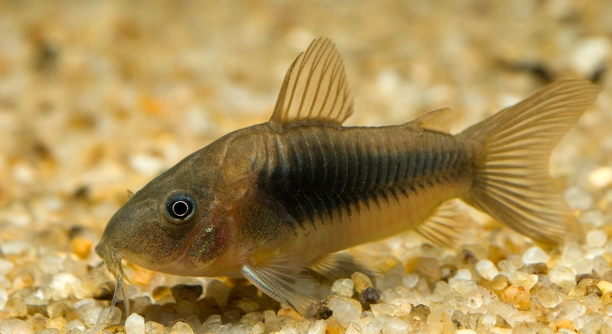
Do your Corydoras seem healthy, but you still worry about how long they’ll be part of your aquarium community?
Improving the lifespan of Corydoras catfish involves stable water parameters, proper diet, and a stress-free environment. These fish thrive in clean, well-maintained tanks with plenty of hiding spaces and companions of their own species.
Learning simple care techniques can help your Corydoras live a longer, more active life in your aquarium setup.
Keep Their Water Clean and Stable
Maintaining clean water is one of the most important parts of Corydoras care. These catfish are sensitive to poor water conditions, especially ammonia and nitrite levels. Regular water changes—at least 25% weekly—can prevent waste buildup. Use a test kit to monitor parameters like pH, ammonia, nitrites, and nitrates. Keep pH around 6.5 to 7.5 and temperature between 72–78°F. Avoid sudden changes in temperature or water chemistry, as these stress your fish and affect their immune system. A gentle sponge filter or low-flow filter helps maintain water quality without creating strong currents, which Corydoras dislike.
Dirty water can quickly affect their health. Consistent maintenance helps keep infections and stress under control.
Along with regular cleaning, using dechlorinated water and rinsing filter media in tank water (not tap water) keeps beneficial bacteria alive. This bacteria helps break down waste, improving water quality and keeping your tank safe for your Corydoras.
Feed a Balanced Diet
Corydoras benefit from a varied diet. Relying only on sinking pellets may not provide all the nutrients they need.
Offer high-quality sinking pellets as their base diet, but supplement with frozen or live foods like bloodworms, blackworms, or daphnia a few times a week. This adds protein and encourages natural foraging behaviors. Vegetables like blanched zucchini or cucumber can also be added in small amounts. Avoid overfeeding, as uneaten food can pollute the tank quickly. Feed them once or twice a day, giving only what they can consume in about two to three minutes. Using feeding tongs for live foods can help reduce mess and make sure they eat before other fish do.
If your Corydoras live with more active tank mates, ensure they’re not outcompeted for food. Feeding them after the lights go out can help, as they’re more active in low light.
Provide a Safe and Comfortable Tank Setup
Corydoras do best in tanks with soft, sandy substrates that protect their delicate barbels. Sharp gravel can cause injury and increase the risk of infection. Add plants, driftwood, or decorations for shelter.
A proper tank setup helps reduce stress and encourages natural behavior. Choose soft sand instead of gravel to protect their undersides and barbels. Live or artificial plants offer cover, while smooth rocks and driftwood create hiding spots. Avoid overcrowding the tank, as too many fish can increase waste and cause aggression. Keep lighting moderate to low, since Corydoras are bottom dwellers and prefer shaded areas. Use a lid to prevent them from jumping out, especially when startled.
Corydoras also appreciate quiet areas in the tank where they can rest undisturbed. Placing decorations along the edges of the tank gives them space to explore and hide. Avoid placing strong water currents near the bottom, where they usually spend their time.
Keep Them in Groups
Corydoras are social fish and prefer to live in groups of at least six. Keeping them alone can cause stress and reduce their activity.
Living in a group encourages natural behaviors like shoaling, foraging, and synchronized swimming. When kept alone or in small numbers, Corydoras often become withdrawn or stressed. A group setting makes them feel secure, which improves their overall health. Larger groups also create a more active and interesting tank. If space allows, consider keeping eight or more of the same species. Watching them interact and explore together brings out their personality and keeps them engaged. Choose tank mates that are peaceful and won’t compete aggressively for food or space.
When adding Corydoras to an existing setup, introduce the group at the same time to prevent territorial behavior. Quarantine new fish before adding them to avoid spreading diseases or parasites into your main tank.
Avoid Aggressive Tank Mates
Corydoras are peaceful and can become stressed if housed with aggressive fish. Choose calm tank mates like tetras, rasboras, or other small community fish. Avoid larger species that may nip fins or disturb them while they rest.
Stress from aggressive tank mates can weaken their immune system and reduce lifespan. Providing a calm environment helps them stay active and healthy. Always monitor new additions closely and separate any fish that cause problems. Peaceful companions allow your Corydoras to thrive without constant hiding or defensive behavior.
Maintain Consistent Tank Temperature
Temperature swings can affect Corydoras’ health over time. Use a reliable heater and thermometer to keep the tank within a stable range of 72–78°F. Avoid placing tanks near windows or vents where drafts or sunlight could cause sudden shifts. Stable temperatures support immune function and overall well-being.
Minimize Loud Sounds and Vibrations
Loud noises and strong vibrations near the tank can stress Corydoras. Keep their tank in a quiet location, away from speakers or high-traffic areas.
FAQ
How long do Corydoras catfish usually live?
Corydoras catfish can live for 5 to 10 years in a well-maintained tank. Their lifespan depends heavily on the quality of care, including water conditions, diet, and tank setup. Keeping them in a clean, stable environment with proper feeding and social interaction increases their chances of living longer. Some species may live even longer if given ideal care.
Can I keep just one Corydoras?
Keeping just one Corydoras is not recommended. They are social fish and prefer to be in groups of at least six. When kept alone, they often become shy, inactive, and more prone to stress-related health problems. A small group helps them feel secure and encourages natural behaviors.
What is the best substrate for Corydoras catfish?
The best substrate is soft sand. Corydoras spend a lot of time digging and foraging along the bottom of the tank, and coarse or sharp gravel can damage their barbels. Fine sand mimics their natural habitat and keeps them safe during their daily routines.
Do Corydoras catfish eat algae?
Corydoras may eat small amounts of algae while foraging, but they are not true algae eaters. They need a varied diet that includes sinking pellets, frozen or live foods, and occasional vegetables. Relying on them to clean algae won’t meet their nutritional needs.
Can Corydoras live with bettas?
Corydoras can often live with bettas, as long as the betta is not overly aggressive. Since Corydoras stay at the bottom and bettas usually swim near the top, they generally stay out of each other’s way. Monitor their behavior closely when first introduced.
How often should I feed my Corydoras?
Feed them once or twice a day with just enough food that they can eat within a few minutes. Overfeeding can pollute the water, while underfeeding can lead to health issues. A balanced routine with a mix of protein and plant-based foods works best.
Why are my Corydoras swimming to the surface often?
Corydoras occasionally gulp air from the surface, which is normal behavior due to their ability to use atmospheric oxygen. However, if they do it too often, it may be a sign of low oxygen levels in the water. Improve aeration or check for poor water conditions.
Can I keep different Corydoras species together?
Yes, different species of Corydoras can live together peacefully. They often shoal with one another, especially if there aren’t enough of their own kind. Still, it’s best to keep at least four to six of the same species for stronger group behavior.
Do Corydoras need a heater?
In most cases, yes. Corydoras thrive in temperatures between 72–78°F. If the room temperature tends to drop below this range, using an aquarium heater is necessary. Consistent temperature helps support their metabolism and prevents stress or illness.
How do I know if my Corydoras are stressed?
Signs of stress include hiding all the time, losing color, darting around the tank, or refusing food. These signs often come from poor water quality, aggressive tank mates, or sudden environmental changes. Test the water, observe their surroundings, and adjust as needed.
What size tank do Corydoras need?
A small group of six Corydoras should have at least a 20-gallon tank. Larger species or mixed groups will need more space. The tank should provide plenty of floor area since they are bottom dwellers. Avoid overstocking to maintain good water quality.
Final Thoughts
Corydoras catfish are peaceful, active, and long-living when their care needs are met. They rely on stable water conditions, a soft substrate, and a calm tank environment. Adding a small group of the same species helps them feel safe and encourages natural social behavior. Their diet should be balanced with high-quality sinking pellets, frozen or live protein-rich foods, and occasional vegetables. Avoid feeding them only leftovers or expecting them to survive on algae alone. With the right setup and a bit of routine maintenance, Corydoras can live for many years and stay active throughout their life.
Creating a stress-free space is just as important as feeding them well. Sudden temperature changes, aggressive tank mates, or loud environments can affect their behavior and health. Using a heater, maintaining a clean filter, and keeping their tank away from loud noises or heavy foot traffic helps reduce unnecessary stress. These small changes can make a big difference. It’s also helpful to provide hiding spots with plants, caves, or driftwood so they can rest when they feel the need. Peaceful community fish like small tetras or rasboras are ideal companions and help maintain a calm atmosphere in the tank.
Corydoras are active fish that bring life to the bottom of your aquarium. Watching them forage, swim in groups, and rest together is enjoyable and relaxing. They are not demanding, but they do best with consistent attention to their living conditions. Weekly water changes, regular checks on temperature and water parameters, and mindful feeding habits support their health and extend their lifespan. Avoiding sharp decorations and coarse substrate helps keep their delicate barbels intact. If you stay on top of their care and observe their behavior, you’ll easily catch early signs of stress or illness. Giving your Corydoras the care they need will result in a healthy, lively tank and long-lived fish that thrive in your home.

Hello,
If you enjoy the content that we create, please consider saying a "Thank You!" by leaving a tip.
Every little bit helps us continue crafting quality advice that supports the health, happiness, and well-being of pets around the world, for pets of all shapes, sizes, and species.
We really appreciate the kindness and support that you show us!