
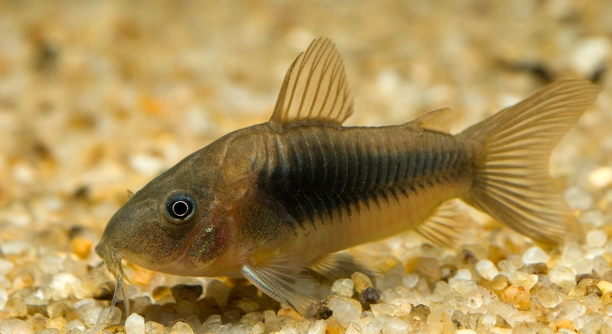
Corydoras catfish are known for being peaceful and shy creatures. Many fish owners may notice that their catfish often stay hidden or avoid interaction with others in the tank. Understanding their needs can help them feel more comfortable.
To make your Corydoras catfish less shy, it’s important to create a calm and secure environment. Offer hiding spots, maintain stable water conditions, and avoid sudden changes. A proper diet and tank mates also play significant roles in reducing their anxiety.
By focusing on these aspects, your Corydoras catfish will feel more at ease. Making small adjustments to their habitat can lead to better behavior and a happier, more active fish. Let’s explore how these changes can help.
1. Provide Plenty of Hiding Spaces
Corydoras catfish are naturally shy creatures. They like to feel secure, especially when they’re in a new environment. Adding plenty of hiding spots in the tank can make a significant difference. Use plants, rocks, or small caves to create areas where they can retreat to when feeling stressed.
Offering them a place to hide can reduce anxiety, making them feel more comfortable in their surroundings. The more you mimic their natural habitat, the better.
It’s essential to keep in mind that Corydoras will thrive in tanks with both open spaces and hidden corners. They don’t like being fully exposed but need room to swim freely too. The balance between visible space and secure hiding spots will help them adjust to their new environment. Over time, they may spend less time hiding, as they become accustomed to their surroundings. This change will lead to a more active and confident Corydoras, showing less shyness and more curiosity.
2. Maintain Stable Water Conditions
Water conditions play a crucial role in the comfort of Corydoras catfish. They prefer stable, clean water that closely matches their natural habitat. Regular water changes, along with consistent filtration, help ensure that the environment remains comfortable.
Corydoras catfish are sensitive to fluctuations in temperature, pH, and ammonia levels. Ensuring your tank maintains steady conditions will help reduce stress and keep your catfish from hiding too much. A temperature range between 72-78°F is ideal.
In addition to stable water temperature, testing the water regularly will help maintain a healthy tank environment. Corydoras prefer slightly acidic to neutral water with a pH of around 6.0 to 7.5. If the water quality is poor, they may retreat to darker areas of the tank, making them harder to spot. By keeping water conditions consistent, you provide a safe, healthy space where your catfish can feel at ease.
3. Avoid Sudden Movements and Loud Noises
Corydoras catfish can easily be startled by sudden movements or loud sounds. Keeping the tank in a quiet, low-traffic area of the room helps them feel safe. The more peaceful the environment, the less likely they are to hide in fear.
Avoid tapping on the glass or making abrupt movements around the tank. Corydoras are skittish by nature, and quick actions can cause them to retreat. If you need to clean the tank or adjust something, do so slowly and gently. This prevents unnecessary stress, which can make your catfish more reclusive.
Reducing noise and sudden movements helps build trust with your Corydoras. Over time, they will begin to associate you with calm, safe moments. The less anxious they feel, the more confident and outgoing they will become. By maintaining a peaceful environment, your catfish can feel more comfortable and show more interest in exploring their space.
4. Choose Compatible Tank Mates
Choosing the right tank mates is important for reducing stress in Corydoras catfish. They thrive best in peaceful communities, away from aggressive or overly active fish. Tank mates that don’t bother them will allow your Corydoras to feel more secure and less shy.
Some good tank mates for Corydoras include peaceful species like neon tetras or guppies. Avoid larger or territorial fish that may intimidate or bully your catfish. Tank mates that swim slowly and aren’t overly aggressive will make your Corydoras feel safe, reducing the urge to hide.
When selecting fish for your tank, consider their temperament and size. Aggressive or overly active fish can stress out your Corydoras and encourage them to remain hidden. The calmer the tank environment, the more active your Corydoras will become. Properly chosen tank mates help ensure a peaceful community where your catfish can thrive, reducing their shyness and encouraging them to come out of hiding more often.
5. Provide a Balanced Diet
A proper diet is essential to keeping Corydoras healthy and less stressed. Feeding them a variety of high-quality foods, like pellets, live or frozen foods, and occasional vegetables, helps them stay active and strong. A well-fed fish is generally more confident.
When feeding your Corydoras, ensure they are getting the nutrients they need. Over time, a varied diet will boost their energy levels and reduce stress. Healthy fish are more likely to explore their environment, as they’re less focused on searching for food. Be sure to avoid overfeeding, as excess food can affect water quality.
6. Keep the Tank Clean and Stable
A clean tank is a key factor in maintaining happy, healthy Corydoras. Regular water changes and tank cleaning will prevent the buildup of harmful toxins. This will ensure your catfish have a healthy environment to thrive in. A stable environment reduces their stress levels.
Corydoras are bottom dwellers and tend to stir up substrate while foraging. Regular tank maintenance helps remove excess waste that could pollute the water. Keeping the tank clean also helps prevent algae buildup, which can cause stress. A clean, well-maintained tank encourages them to explore freely without fear.
7. Maintain Proper Lighting
Corydoras catfish are sensitive to bright lighting. Too much light can cause them to feel exposed and stressed. Keeping the lighting soft and dim helps them feel secure in their environment, encouraging them to venture out of hiding. Low lighting promotes a more natural setting for your fish.
FAQ
Why are my Corydoras catfish hiding so much?
Corydoras catfish are naturally shy, and they may hide when they feel unsafe or stressed. Common causes include poor water quality, aggressive tank mates, or sudden changes in their environment. If you notice your Corydoras hiding frequently, it could be due to one of these factors. Make sure to check the water conditions regularly and ensure the tank is peaceful. Providing plenty of hiding spots and reducing loud noises can also help your catfish feel more secure and less inclined to hide.
How can I make my Corydoras feel more comfortable?
Creating a calm and stable environment is key. This includes providing plenty of hiding spots, maintaining good water quality, and keeping the tank quiet and peaceful. Corydoras feel most at ease when they can retreat to secure areas, so include plants, rocks, or caves. Also, avoid large, aggressive fish that may intimidate them. With consistent care, they will become more comfortable and less shy over time.
What are the best tank mates for Corydoras catfish?
Corydoras catfish do best with peaceful, small to medium-sized fish. Good tank mates include species like tetras, guppies, or small rasboras. Avoid aggressive or overly active fish, as they may stress out your Corydoras and cause them to hide more. Make sure the tank environment is calm and peaceful, which will help your catfish feel safe.
Can Corydoras live alone, or do they need other fish?
Corydoras are social fish and thrive when kept in groups. They feel more secure and active when surrounded by others of their kind. A group of at least three to six Corydoras will help them feel comfortable and reduce stress. If kept alone, they may be more likely to hide and display shyer behavior. It’s best to keep them in small schools to encourage their natural social behavior.
How often should I feed my Corydoras catfish?
Corydoras catfish should be fed once or twice a day, offering small amounts of food that they can consume within a few minutes. A varied diet consisting of high-quality pellets, frozen or live foods, and occasional vegetables will keep them healthy. Avoid overfeeding, as uneaten food can quickly pollute the water, which may increase stress. A balanced diet also ensures they stay active and less shy.
Are Corydoras catfish sensitive to light?
Yes, Corydoras catfish are sensitive to bright light and tend to prefer dimmer lighting conditions. In nature, they dwell in shaded areas or murky waters, so bright, harsh lighting can make them feel exposed and anxious. Using softer, subdued lighting will help them feel more comfortable and encourage them to come out of hiding. It’s also important to provide a day-night cycle with appropriate lighting periods to mimic their natural environment.
What water temperature do Corydoras catfish prefer?
Corydoras catfish prefer water temperatures between 72°F and 78°F (22°C to 25°C). They can tolerate slightly cooler or warmer temperatures, but extreme fluctuations can cause stress and health issues. Consistent, stable water temperatures are crucial for their well-being. Make sure your aquarium heater maintains a steady temperature to avoid stressing your fish.
How do I reduce stress in my Corydoras catfish?
To reduce stress in Corydoras, focus on creating a peaceful environment. Avoid sudden movements and loud noises, which can startle them. Keep the tank clean with regular water changes and proper filtration. Providing hiding places and choosing compatible tank mates also helps them feel secure. Maintaining stable water conditions, including temperature and pH, is essential for their health and happiness. With a calm, stable tank, your Corydoras will feel more comfortable and show less shyness.
Why do Corydoras swim upside down or on their back?
If your Corydoras are swimming upside down or on their back, it could be a sign of a health issue. This behavior may indicate swim bladder problems, which affect their ability to maintain proper buoyancy. Swim bladder disorders can be caused by overfeeding, poor water quality, or bacterial infections. If you notice this behavior, check water quality and ensure you are not overfeeding. If the issue persists, consult an aquarium vet to rule out any underlying health problems.
Can Corydoras eat algae?
Corydoras catfish are bottom feeders and do consume some types of algae, particularly soft algae growing on the substrate or decorations. However, they are not algae eaters and should not rely on algae as their primary food source. Providing them with a varied diet, including high-quality pellets, frozen foods, and vegetables, is essential for their health. Algae may be a supplemental food source, but it should not be the main part of their diet.
How can I encourage my Corydoras to swim more actively?
If your Corydoras are swimming less or staying hidden too much, improving their environment can help. Ensure the water quality is optimal, with regular water changes and filtration. Add more hiding places like caves or plants to make them feel secure, but don’t overcrowd the tank. If they have compatible tank mates and a peaceful environment, they will feel more confident and swim more actively. A varied diet can also help them stay energized and active.
Final Thoughts
Corydoras catfish are naturally shy and peaceful creatures. Understanding their behavior and providing the right environment can help them feel more comfortable and confident in your tank. By offering plenty of hiding spots, stable water conditions, and peaceful tank mates, you can reduce their stress and encourage them to be more active. It’s important to remember that these fish need time to adjust to their new home, and patience is key. Over time, with the right care, you’ll likely see your Corydoras become more outgoing and less shy.
Creating a stress-free environment is essential for the well-being of your Corydoras catfish. Proper water quality, temperature, and lighting are all factors that can influence how they behave. Avoiding sudden changes, such as loud noises or abrupt movements, will also help your fish feel safe. A balanced diet with a variety of food types ensures they stay healthy and active. When these factors are addressed, your Corydoras will feel secure and comfortable in their home, reducing their tendency to hide and allowing them to interact more freely with their environment.
In the end, Corydoras catfish are resilient and adaptable creatures. They may be shy at first, but with consistent care, they can thrive in your aquarium. The more attention you give to their needs, the more likely they are to show their true, curious nature. By creating a calm and supportive environment, you’ll help your Corydoras feel at home and enjoy a long, healthy life. Keep monitoring their behavior and environment, and soon enough, your catfish will be swimming around with confidence and comfort.

Hello,
If you enjoy the content that we create, please consider saying a "Thank You!" by leaving a tip.
Every little bit helps us continue crafting quality advice that supports the health, happiness, and well-being of pets around the world, for pets of all shapes, sizes, and species.
We really appreciate the kindness and support that you show us!