
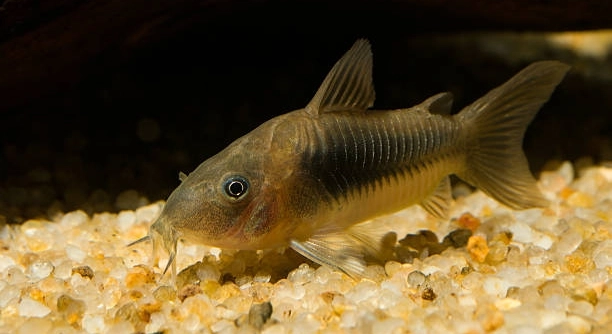
Bringing a new Corydoras Catfish into your aquarium can be exciting. However, ensuring they feel safe in their new home is key to their well-being. It’s important to understand how to help them settle in comfortably.
Creating a secure and stress-free environment for your Corydoras is crucial. Focus on factors like water quality, tank setup, and hiding spots. By providing a stable, calm atmosphere, your Corydoras will feel more secure and thrive.
By following these tips, you can make sure your catfish adapts quickly and happily. The right environment will lead to healthier, more active fish.
Water Quality Is Key
Water quality plays a major role in making your Corydoras feel safe. These fish are sensitive to changes in water conditions, so keeping things stable is essential. Make sure the water temperature, pH level, and hardness are within their preferred range. Regular water changes are also important to avoid the buildup of harmful toxins. Invest in a good filtration system to ensure clean water and maintain healthy levels of oxygen. A water test kit can be your best tool in monitoring water parameters.
By maintaining high water quality, you reduce stress, which is vital for your Corydoras to feel at ease. Keeping the tank clean helps them stay active and healthy.
If your Corydoras experience fluctuating or poor water conditions, they may become stressed, leading to health issues or even death. These fish are used to soft, slightly acidic water in their natural habitat, so mimicking these conditions can go a long way in making them feel comfortable. Regularly monitor the tank’s water chemistry to maintain a stable environment.
Provide Plenty of Hiding Spots
Corydoras like to feel secure, and hiding spots provide them with a sense of safety. Place decorations, plants, or caves in your tank to give them room to retreat when they feel stressed.
These hiding spots should be spaced out to give your catfish enough room to swim and explore while still offering shelter when they need it. They’ll appreciate having a spot to escape to, especially during the day when they feel vulnerable.
A tank that’s too open with no places to hide can make your Corydoras anxious. This is especially true if they’re introduced into the tank with other more aggressive fish. Providing plenty of hiding spots not only helps reduce stress but also encourages natural behaviors like foraging and exploration. It’s essential for their mental health and happiness.
Keep the Tank Calm and Quiet
Corydoras are easily startled by loud noises or sudden movements. A quiet environment helps them feel safe and less stressed.
Avoid placing your tank in a high-traffic area, where vibrations or noises may disturb the fish. Keep the tank away from speakers, noisy appliances, or areas with constant foot traffic. This creates a calmer, more peaceful environment for your Corydoras.
Setting up the tank in a more secluded, quiet part of the room can give your Corydoras a sense of peace. The absence of loud sounds or fast movements reduces their anxiety, allowing them to feel more secure. This will make it easier for them to adapt to their new surroundings without feeling overwhelmed.
Proper Tank Size
Ensuring the tank size is appropriate for your Corydoras is crucial. A tank that is too small can lead to stress and overcrowding.
A 20-gallon tank is ideal for a small group of Corydoras, but the bigger, the better. If your tank is too cramped, the fish won’t have enough space to swim and explore. This limits their ability to feel comfortable and secure in their new environment.
Overcrowding can also contribute to poor water quality and higher stress levels. When choosing the right tank size, always consider how many Corydoras you want to keep. Giving them enough space to swim freely will help reduce stress and promote healthy behavior, allowing them to feel at home.
Maintain Stable Lighting
Consistent lighting is important for Corydoras to feel secure. Sudden changes in light can cause stress.
A gentle, stable light cycle works best for your Corydoras. Avoid bright, harsh lights that can startle them, especially at night. This gives them a better sense of safety in their new home.
Providing a consistent day and night light cycle will mimic natural conditions and help your Corydoras adjust faster. A soft aquarium light is ideal, but it’s also important to give them a dark period to rest. Too much light can cause anxiety, disrupting their natural rhythm.
Avoid Aggressive Tankmates
Corydoras are peaceful fish and can become stressed when placed with aggressive species.
Choosing tankmates that are calm and non-aggressive will help your Corydoras feel more secure. Avoid fish that might harass or chase them. Keeping peaceful community fish will promote a better overall environment.
Aggressive fish can cause your Corydoras to hide constantly, leading to stress and health problems. Incompatible tankmates can also affect their feeding habits and hinder their ability to thrive. By picking peaceful fish, you create a safe, stress-free atmosphere where your Corydoras can feel comfortable and relaxed.
Introduce Them Slowly
When introducing your Corydoras to a new tank, take it slow. This helps them adjust better.
Introduce them calmly, avoiding sudden changes or overcrowding. A gradual process will help the fish acclimate to their new environment without feeling overwhelmed.
New tank syndrome can be stressful for Corydoras, so take care to ensure the water is stable. Give them time to explore their new space and hide if needed. The more gradual the introduction, the easier it will be for your Corydoras to adjust and feel safe.
FAQ
How long does it take for Corydoras to adjust to a new tank?
Corydoras typically need a few days to a week to adjust to a new tank. The time can vary depending on the water conditions, tank setup, and the fish’s previous experience. Make sure the tank environment is stable and calm, as sudden changes can prolong the adjustment period. During this time, Corydoras may hide more than usual, which is normal as they acclimate. If they’re still hiding or showing signs of stress after a week, recheck water quality and ensure there are enough hiding spots.
Do Corydoras need a heater in their tank?
Yes, Corydoras generally need a heater in their tank to maintain a stable water temperature. They thrive in water temperatures between 72°F and 78°F (22°C to 26°C). A heater helps maintain this range, preventing sudden temperature fluctuations that could stress them. Make sure to use a reliable aquarium heater with a thermostat to keep the temperature constant. Corydoras are sensitive to extreme changes in temperature, so maintaining stability is key to their well-being.
Can Corydoras live with other fish?
Corydoras are peaceful fish and can live with a variety of other non-aggressive species. They are great additions to community tanks. However, it’s important to avoid aggressive or fin-nipping fish that may harass or bully them. Good tankmates include tetras, guppies, and other small, peaceful species. Always make sure that the tank size is adequate for the number of fish, and provide enough hiding spots for everyone to feel secure.
How do I know if my Corydoras is stressed?
Stressed Corydoras may exhibit several signs. They might hide more than usual, swim erratically, or appear lethargic. If they are constantly swimming near the surface or staying in one spot, it could indicate stress. Additionally, physical symptoms such as faded coloration, clamped fins, or rapid gill movement are signs of distress. Poor water quality, aggressive tankmates, or sudden changes in the tank environment are common causes of stress. Address these issues promptly to prevent health problems.
What is the best substrate for Corydoras?
Corydoras prefer soft, fine substrates like sand. This is because they like to sift through the substrate in search of food, and rough gravel can damage their delicate barbels. Sand mimics their natural habitat and provides a safe environment for them to forage. It’s also easier to clean than gravel, as debris doesn’t get trapped in the grains. Make sure the sand is smooth and fine to avoid injury.
How many Corydoras should I keep together?
Corydoras are social fish that do best in groups. It’s recommended to keep at least three to five Corydoras together, but more is better. A group provides them with the companionship and security they need to thrive. In the wild, they live in large schools, so keeping them in a group helps reduce stress and encourages natural behaviors. If you have a larger tank, you can add more Corydoras, but be mindful of tank size and water quality.
Why is my Corydoras staying at the top of the tank?
If your Corydoras is staying at the top of the tank, it could be a sign of poor water quality or low oxygen levels. Corydoras are bottom-dwelling fish, so this behavior is unusual for them. Check the water temperature, oxygen levels, and filtration system to ensure they are adequate. If the water conditions are poor, they may be trying to find cleaner or more oxygen-rich areas. If this behavior persists, perform a water change and test water parameters.
What should I feed my Corydoras?
Corydoras are omnivores and will eat a variety of foods. They mainly consume sinking pellets, but they will also enjoy live or frozen food such as bloodworms, brine shrimp, and daphnia. It’s important to offer a varied diet to ensure they get all the necessary nutrients. Make sure to feed them small amounts multiple times a day, as overfeeding can lead to water quality issues. Don’t forget to provide them with food that sinks to the bottom of the tank, where they prefer to forage.
Can Corydoras live with shrimp?
Yes, Corydoras can live with shrimp, such as ghost shrimp or cherry shrimp, as long as the shrimp are not small enough to become prey. Corydoras are peaceful and won’t usually bother shrimp. However, it’s important to ensure that the shrimp have enough hiding spots to escape from any potential threats. If your Corydoras are very active, smaller shrimp might be at risk, so consider the size of the tank and the types of shrimp before combining them.
Do Corydoras like to be in groups or alone?
Corydoras are social fish and should not be kept alone. They feel more comfortable in groups of at least three to five. In a group, they engage in natural social behaviors like schooling and foraging together. Keeping them in groups helps reduce stress and promotes their overall well-being. If you only have one Corydoras, it may become lonely or stressed, so it’s best to add more if possible.
Final Thoughts
Corydoras catfish are resilient and adaptable, but they do require specific care to feel safe and thrive in their new tank. By providing a calm and stable environment, ensuring the water quality remains optimal, and offering plenty of hiding spots, you can create a space where your Corydoras can feel secure. It’s important to pay attention to their behavior, as signs of stress can indicate an issue with the tank environment. Regular water changes, proper tankmates, and a steady lighting schedule all contribute to their overall happiness and health.
While Corydoras are generally low-maintenance, they do benefit from a well-maintained environment. A tank that is too small, has poor water quality, or contains aggressive tankmates will stress them out and could lead to health issues. The right size tank with plenty of space for swimming, hiding spots, and compatible fish will make all the difference in ensuring your Corydoras feel at home. Take the time to properly introduce them to the tank, and allow them to adjust at their own pace. Keeping their needs in mind will create a more peaceful and stable environment for them to flourish.
In the end, the goal is to create a tank where your Corydoras can feel safe, healthy, and active. Every small adjustment you make, from water quality to tankmates, plays a role in making them feel comfortable in their new home. With patience and attention, your Corydoras will thrive and add beauty to your aquarium for years to come.

Hello,
If you enjoy the content that we create, please consider saying a "Thank You!" by leaving a tip.
Every little bit helps us continue crafting quality advice that supports the health, happiness, and well-being of pets around the world, for pets of all shapes, sizes, and species.
We really appreciate the kindness and support that you show us!