
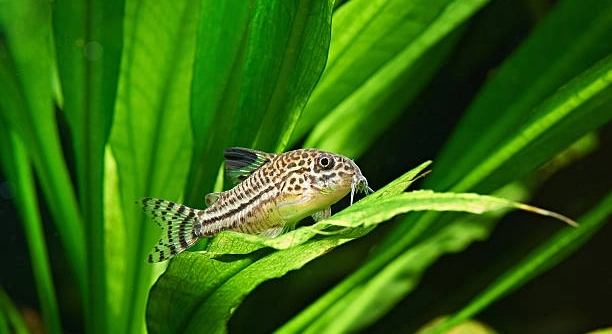
Have you recently brought home Corydoras catfish and want to make sure they feel safe and comfortable in their new tank? These peaceful bottom-dwellers need a little extra care to settle in properly.
The best way to help your Corydoras feel at home is by recreating a calm, natural environment with soft substrate, hiding spots, and stable water conditions. This reduces stress, supports healthy behavior, and encourages them to explore confidently.
Creating a welcoming space for your Corydoras can improve their well-being and bring out their playful nature as they adjust to their surroundings.
Add a Soft, Sandy Substrate
Corydoras have delicate barbels they use to search for food, and the wrong substrate can harm them. Gravel with sharp edges may lead to infections or discomfort. Fine sand is a much better option, allowing them to sift through it safely and naturally. It closely mimics their native environment, where they forage along riverbeds. In a home aquarium, soft sand encourages this behavior and helps prevent injuries. It also makes cleaning easier, as waste tends to sit on top rather than sinking. Choose sand that’s aquarium-safe, rinsed thoroughly before adding to the tank. Keep the layer about one to two inches deep, and avoid compacting it, as this could trap gases and lead to problems later. Make sure your filter can handle the finer particles, or consider using a pre-filter sponge. This simple change can improve both their health and your tank’s long-term cleanliness, making life easier for both of you.
Avoid any substrate with sharp edges.
Your Corydoras will act more relaxed and playful when they’re not worried about damaging their sensitive underbellies.
Create Plenty of Hiding Spots
Corydoras are shy and often need hiding places to feel secure in a new tank. Without cover, they may become stressed and stay inactive.
Use decorations like caves, driftwood, or stacked stones to build little shelters they can retreat into when needed. Live or artificial plants, especially broad-leafed ones like Anubias or Amazon Swords, can also offer them a place to rest or escape from bright lighting. Spread out the hiding places throughout the tank, and make sure there’s enough room for them to swim freely. It’s helpful to place shelters near the tank’s edges or back wall so they feel tucked away but still have room to explore the open areas. Having several safe spots also helps reduce aggression and competition if you keep them in a group. When your Corydoras feel protected, they become more confident, active, and likely to interact with their surroundings.
Keep the Water Clean and Stable
Corydoras are sensitive to poor water quality, especially ammonia and nitrite spikes. A cycled tank with regular water changes helps maintain stable conditions and reduces stress for them.
Do weekly partial water changes of around 25–30% and vacuum the substrate to remove waste buildup. Use a reliable test kit to monitor ammonia, nitrite, nitrate, and pH. Keep nitrates below 20 ppm for their comfort. Avoid large temperature swings, and aim for a steady range between 72–78°F. If your tap water has chlorine or chloramine, always treat it with a water conditioner before adding it to the tank. Installing a sponge filter or using filter media that won’t create strong currents will also support their well-being. Clean the filter media gently in tank water to keep beneficial bacteria intact. With good habits in place, your Corydoras will stay healthy and active in their new space.
Stability makes them feel at ease and prevents sickness.
They do best in well-maintained tanks with balanced parameters. Keep feeding low to prevent excess waste and test water at least once a week. A stable environment brings out their best behavior and keeps them thriving.
Choose Peaceful Tankmates
Corydoras do well in community tanks, but tankmates need to be calm and non-aggressive. Avoid fast swimmers that may outcompete them for food or fish that nip at fins.
Good tankmates include small tetras, rasboras, guppies, or peaceful dwarf cichlids like Apistogramma. Bottom-dwelling fish like loaches should be chosen carefully, as some can be territorial. Make sure there’s enough room for everyone, especially at the bottom of the tank. It’s also helpful to feed sinking pellets so the Corydoras aren’t left hungry if faster fish take the floating food. Keep a watch on group behavior for the first few days to ensure everyone is getting along well. Corydoras thrive in peaceful setups where they can relax and explore without stress. Mixing them with the right fish creates a calm tank and brings out the best in their personalities.
Feed Them a Varied Diet
Corydoras are bottom-feeders and need food that sinks quickly. Offer them a mix of sinking pellets, wafers, and frozen or live foods like bloodworms or brine shrimp. This helps them stay healthy and more active.
Feeding in the evening when the tank is quieter can make them more comfortable.
Keep the Lighting Gentle
Bright lighting can make Corydoras feel exposed and nervous. Use dimmer lights or add floating plants to soften the light reaching the bottom. This encourages more natural behavior and helps them stay relaxed during the day.
Maintain a Small Group
Corydoras are social and feel safer in small groups. Keep at least six together to prevent loneliness.
FAQ
How often should I feed my Corydoras?
Feed Corydoras once or twice a day. They are bottom-feeders and don’t need a lot of food. Give them just enough so that they can eat it all within a few minutes. Overfeeding leads to water quality issues and excess waste, which can harm their health. Avoid leaving food in the tank for too long, as it can decay and pollute the water. You can also provide them with a fasting day once a week to prevent obesity and maintain proper digestive health.
What is the ideal tank size for Corydoras?
A 20-gallon tank is a good minimum size for a small group of Corydoras. If you plan to keep more than one species or additional tankmates, consider a larger tank. Corydoras are active bottom-dwellers, so they need space to swim freely and forage. A larger tank also makes it easier to maintain water quality and reduce the chances of stress or territorial disputes.
Can Corydoras live with shrimp?
Yes, Corydoras generally get along well with shrimp, especially larger species like Amano shrimp or cherry shrimp. They won’t bother shrimp unless the shrimp are very small. However, it’s important to provide plenty of hiding places for the shrimp to escape to, as Corydoras can sometimes disturb them while scavenging for food. Be cautious of smaller, more delicate shrimp varieties that might get caught under tank decorations or accidentally hurt during feeding time.
How do I know if my Corydoras are stressed?
Signs of stress in Corydoras include hiding more than usual, a lack of appetite, rapid breathing, or swimming erratically. If they start swimming at the surface or near the filter outlet, it could be a sign of poor water quality or low oxygen levels. In some cases, Corydoras may rub against objects or appear lethargic when stressed. Always check the water parameters, including ammonia, nitrites, and pH, if you notice these symptoms. Stress can also cause Corydoras to stop socializing or interacting with other fish, so monitor their behavior closely.
What water temperature is best for Corydoras?
Corydoras prefer water between 72°F and 78°F (22°C to 26°C). They are native to warm, slow-moving rivers and need stable, moderately warm conditions to thrive. Keeping the temperature within this range supports their immune system and promotes healthy digestion. Avoid temperature swings, as rapid changes can cause stress or illness. Use a reliable heater to maintain a consistent temperature, especially in rooms where the temperature fluctuates.
Are Corydoras easy to breed?
Breeding Corydoras can be a bit tricky, but it’s possible with the right conditions. To encourage breeding, set up a breeding tank with soft, slightly acidic water. A temperature of around 75°F (24°C) is ideal. Mimicking rainy season conditions with a slight drop in temperature and adding live foods can help trigger spawning. Corydoras are egg-layers, and the females will lay eggs on flat surfaces or plants. Once the eggs are laid, you can remove the parents to prevent them from eating the eggs. The fry hatch in 3–4 days, and you can feed them infusoria or crushed food until they’re large enough for regular fish food.
Can Corydoras live with other species?
Yes, Corydoras are peaceful and make great community fish. They get along with a wide variety of species as long as the tankmates are calm and not overly aggressive. Avoid keeping them with large, predatory fish or overly active species that might stress them out. Small tetras, guppies, and rasboras are good companions. However, it’s important to ensure that food reaches the bottom of the tank so the Corydoras can easily access it without competition.
Why do my Corydoras swim upside down?
Corydoras occasionally swim upside down as part of their natural behavior. While they are typically bottom dwellers, Corydoras are known to sometimes swim on their backs or “play” by swimming at the surface for brief periods. If they do this for long periods, it could be a sign of illness or an issue with their swim bladder, which helps them maintain buoyancy. If upside-down swimming is frequent or accompanied by other abnormal behavior, check the water conditions, as poor water quality can affect their health.
What should I do if my Corydoras are not eating?
If your Corydoras stop eating, the first thing to check is the water quality. Poor water parameters can stress fish and reduce their appetite. Ensure ammonia, nitrites, and nitrates are within safe ranges. Also, check for any signs of illness, such as swollen bellies or abnormal swimming behavior. Corydoras are opportunistic feeders, so if food is not sinking fast enough, they might not be getting enough. Try offering a variety of foods like sinking pellets, wafers, or frozen foods. If they still refuse to eat, it might be time to isolate them and seek advice from a veterinarian.
Can I keep Corydoras with other bottom-dwellers?
Corydoras can coexist with other bottom-dwelling fish, but it’s important to choose species that are non-territorial. Fish like loaches or catfish may compete for space, and aggression can occur if there isn’t enough room. Corydoras work best in peaceful setups with lots of hiding spots, so ensure each species has space to thrive. Providing enough food and substrate area will help maintain a harmonious environment.
Final Thoughts
Corydoras catfish are a great addition to any aquarium. They are peaceful, easy to care for, and help keep the tank clean by scavenging leftover food. With the right environment, these catfish can thrive and bring life to your tank. They’re social creatures that enjoy the company of their own kind, so having a small group is essential for their well-being. By providing them with stable water conditions, the right diet, and plenty of hiding spots, you’ll ensure they feel comfortable and happy in their new home.
It’s important to remember that Corydoras are sensitive to water changes, so maintaining a consistent and clean tank environment is key. Regular water changes, monitoring water parameters, and using proper filtration will help prevent any issues. The addition of soft, slightly acidic water and warm temperatures will mimic their natural habitat and encourage them to thrive. With attention to detail, Corydoras can live for several years, contributing to a balanced ecosystem within your aquarium.
In summary, Corydoras catfish are low-maintenance and adaptable, making them ideal for both beginners and experienced aquarium owners. They are peaceful, community-friendly fish that won’t cause trouble with other tankmates. By following a few simple guidelines, such as keeping them in groups, feeding them a balanced diet, and maintaining a stable tank environment, you’ll ensure that your Corydoras stay healthy and active. Their charming behavior and helpful nature will make them a highlight of your aquarium.

Hello,
If you enjoy the content that we create, please consider saying a "Thank You!" by leaving a tip.
Every little bit helps us continue crafting quality advice that supports the health, happiness, and well-being of pets around the world, for pets of all shapes, sizes, and species.
We really appreciate the kindness and support that you show us!