
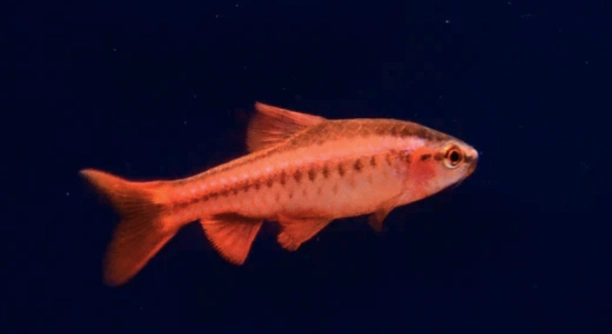
Do your cherry barbs swim in a tank that feels too artificial or out of place? Making their home feel more natural matters. A balanced, natural-looking tank helps your fish feel comfortable and relaxed every day.
Creating a natural cherry barb tank involves adding live plants, using natural-colored substrates, incorporating driftwood, and keeping lighting soft. These elements mimic their native habitat, reduce stress, and enhance both their health and vibrant appearance.
Simple changes to your aquarium setup can bring a peaceful, nature-inspired look while supporting your cherry barbs’ overall well-being.
Add Live Plants to the Tank
Live plants create a more natural environment for cherry barbs. They offer hiding spaces, reduce stress, and help improve water quality. Java fern, anubias, and hornwort are easy to care for and blend well with most aquascapes. These plants also promote natural behaviors like foraging and schooling. When placed thoughtfully, they make the aquarium feel fuller without overcrowding the swimming space. Choose low-maintenance species that can tolerate similar water parameters as cherry barbs. Trim plants regularly to avoid blocking light or creating stagnant areas. Avoid sharp-leaf plants that could damage fins. Planting directly into the substrate rather than using pots helps create a seamless, natural look. Spread plants around the tank instead of grouping them in one place to provide even coverage and movement flow. Using real plants also reduces algae by competing for nutrients. This balance keeps the aquarium healthier for both the fish and the aquascape.
Choose species that stay compact and grow slowly. This helps keep maintenance low while still adding visual appeal.
Live plants make the tank feel more natural and calming. Their movement with the water current also brings a soothing visual effect that fake plants often lack.
Use Natural Substrate and Decor
A natural substrate like sand or fine gravel in brown, beige, or dark tones helps avoid a sterile look. Stick to simple colors to mimic riverbeds.
Natural decor like driftwood, smooth stones, and dried leaves adds texture and variation to the setup. Driftwood softens the water slightly and gives cherry barbs places to explore. Arrange stones in scattered groups, avoiding symmetry. This creates visual interest and mirrors real freshwater habitats. Dried catappa leaves or Indian almond leaves give the water a subtle tint and release beneficial tannins. These elements also offer additional cover and support the biofilm cherry barbs may graze on. Avoid overly bright or artificial decorations that clash with the rest of the layout. Place items off-center or at different depths to maintain a natural, layered appearance. Stick to a few large pieces rather than many small ones to prevent clutter. When combining decor, focus on balance rather than uniformity. This keeps the tank looking organic and peaceful.
Keep the Lighting Soft and Natural
Soft lighting helps mimic the dim conditions cherry barbs prefer in the wild. Avoid harsh or bright white lights, which can stress the fish. Use adjustable LEDs or bulbs with a warmer tone to keep the lighting gentle and comfortable.
Keep the lights on for 6–8 hours daily to avoid algae buildup and create a natural rhythm for the fish. If your tank receives natural daylight, position it where indirect light filters in instead of strong sun exposure. A timer helps maintain a consistent schedule without manual effort. Floating plants like duckweed or frogbit help diffuse light and add to the natural effect. Avoid colored lighting as it can distort the tank’s look and confuse the fish’s natural behavior. Choose lighting that complements the plant life and doesn’t overwhelm the visual balance of your setup. Consistency is more important than brightness when it comes to lighting.
Good lighting placement also matters. Position lights above the tank, not from the sides, to replicate sunlight filtering from above. If using a hood or canopy, make sure the lighting fits properly without gaps or glare. Soft shadows from driftwood or plants make the tank feel more natural and relaxed for the cherry barbs.
Use Backgrounds That Mimic Nature
A background helps reduce distractions and keeps the fish focused within their tank space. Choose options like printed forest scenes, plain black, or deep green. These give the tank depth and prevent reflections that may cause stress.
Avoid brightly patterned or cartoon-themed backgrounds. Instead, use matte textures or realistic prints that mimic aquatic plants, rocks, or riverbanks. Black backgrounds work especially well by making plants and fish colors pop while keeping the tank calm-looking. If using a printed background, tape it smoothly to avoid bubbles or glare. A natural-looking background also hides wires, filters, and other equipment for a cleaner view. DIY options like dark construction paper or frosted film can also work if properly sealed against moisture. Backgrounds enhance the illusion of depth without taking up space in the tank. They are a simple way to complete a natural setup without adding clutter or maintenance needs.
Limit Equipment Visibility
Keep heaters, filters, and air stones tucked away behind plants or decor. Choose black or dark-colored equipment that blends into the background. This helps maintain a clean, natural appearance without distracting from the rest of the tank setup.
Use external filters or internal options with slim designs. Position them behind driftwood or dense plants to minimize visual clutter. Avoid placing equipment in the center of the tank where it’s more noticeable. Keeping things out of sight helps your cherry barbs feel less exposed and keeps the layout more peaceful.
Choose Tank Mates Carefully
Stick to calm, peaceful species that won’t outshine or stress your cherry barbs. Good choices include rasboras, corydoras, and small tetras. Avoid fin-nippers or overly active fish that may dominate the space. Choose fish that enjoy similar water conditions and won’t disturb your natural setup. Balanced stocking keeps the tank peaceful.
Maintain a Natural Flow
Use a gentle filter output or a spray bar to create slow, steady movement in the tank. Cherry barbs prefer calm water without strong currents. A soft flow also keeps floating plants in place and helps reduce stress.
FAQ
What size tank is best for cherry barbs in a natural setup?
A 20-gallon tank is a good starting point for a small group of cherry barbs. They are active swimmers and enjoy having space to move freely. A longer tank is better than a tall one because it gives them more horizontal room. This also makes it easier to create a natural layout with plants, driftwood, and hiding areas. Avoid overcrowding. Cherry barbs feel more secure when they have room to form loose schools and interact calmly with their environment. If you plan to add tank mates, consider a larger tank to maintain balance.
How many cherry barbs should be kept together for natural behavior?
Keep cherry barbs in groups of at least six. They are social fish and feel safer in numbers. In smaller groups, they may become shy or stressed. A group encourages natural behaviors like schooling, exploring, and gentle chasing. Males may show brighter colors and more activity when in a group, especially if females are present. Make sure the tank is large enough to support the group without overcrowding. A well-planted tank with space to swim and hide helps reduce any territorial behavior between males.
Can cherry barbs live with shrimp in a natural tank?
Yes, cherry barbs can live with shrimp, but choose your setup carefully. Larger shrimp like amano or adult cherry shrimp are usually safe. Baby shrimp may be eaten if there are no hiding spots. Adding dense plants, moss, and leaf litter gives shrimp places to hide and breed safely. Feeding the fish well and keeping them comfortable in their environment reduces their interest in hunting shrimp. A peaceful and well-maintained tank makes it easier for both species to thrive together. Monitor their behavior at first and make adjustments if needed.
Do cherry barbs prefer a specific water flow?
They prefer a gentle, steady flow. Avoid strong currents that make it hard for them to swim or rest. Use a sponge filter, spray bar, or adjustable output to create soft movement. This helps mimic their natural streams and keeps the tank peaceful. Strong flow can also disturb floating plants and make the tank feel more artificial. Proper water circulation is still important for keeping the tank clean and oxygenated, but balance is key. A slow-moving current allows cherry barbs to display calm and active behavior naturally.
What temperature and pH range should I maintain for cherry barbs?
Keep the water temperature between 74°F and 78°F. They are comfortable in slightly warm water. A pH range of 6.5 to 7.5 is ideal. Stick to stable water conditions rather than chasing exact numbers. Sudden changes can cause stress, so monitor with a reliable test kit. Use driftwood and leaf litter to naturally soften the water and maintain pH. Avoid harsh chemicals unless absolutely needed. Cherry barbs adapt well if the changes are slow and consistent. A heater and thermometer help keep the temperature steady throughout the day.
Should I use CO₂ in a planted cherry barb tank?
CO₂ is optional, not required. Most beginner-friendly plants like anubias, java fern, and hornwort do well without it. If you choose to use CO₂, make sure it’s stable and not fluctuating, as this can harm the fish. A low-tech setup is easier to manage and still gives great results. Strong lighting and CO₂ often increase maintenance. For a calm, natural tank, it’s best to focus on plant choice, layout, and regular trimming. This keeps things simple and helps cherry barbs stay comfortable.
Do cherry barbs need hiding places?
Yes, they feel more secure with places to hide. Plants, driftwood, rocks, and leaf litter all help them feel safe. Even though they are active swimmers, they like retreating to shaded areas when resting. Hiding spots also reduce stress if there are more dominant fish in the tank. Spread out the cover instead of placing it all in one spot. This encourages movement and gives them more control over their space. Hiding areas also make your tank look more natural and keep the environment more balanced.
Final Thoughts
Creating a natural-looking tank for cherry barbs doesn’t require expensive equipment or complex planning. It starts with choosing the right size tank and placing natural elements like plants, driftwood, and smooth stones in a way that mimics their wild environment. Cherry barbs enjoy having room to swim, areas to hide, and calm water flow. A well-planted tank with enough open space allows them to feel secure and stay active. This kind of layout also supports peaceful behavior and helps reduce stress for both the fish and any tank mates.
Using darker substrates, hiding equipment, and selecting calm, compatible tank mates all contribute to a balanced environment. Cherry barbs thrive when they are kept in groups and given a space that feels safe and natural. The right lighting and water conditions also play a role in keeping them healthy and comfortable. Simple adjustments like adding leaf litter or softening the water with driftwood can improve the tank’s look and benefit the fish. Observing their behavior is the best way to know if your setup is working. When they’re schooling calmly and exploring the tank, it means they feel at home.
A natural cherry barb tank is more than just decoration—it supports the fish’s health and encourages natural activity. You don’t need to copy any specific setup exactly. Focus on keeping things simple, clean, and consistent. Regular maintenance, balanced feeding, and a thoughtful layout go a long way. Over time, the tank will become more stable and even easier to care for. Watching cherry barbs thrive in a calm, well-designed space is rewarding. It also adds a peaceful and soothing element to your home.

Hello,
If you enjoy the content that we create, please consider saying a "Thank You!" by leaving a tip.
Every little bit helps us continue crafting quality advice that supports the health, happiness, and well-being of pets around the world, for pets of all shapes, sizes, and species.
We really appreciate the kindness and support that you show us!