
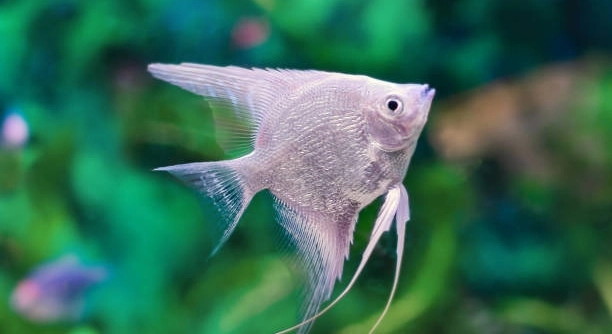
Do your angelfish seem restless or stressed in their tank?
To make your angelfish tank more natural, focus on creating a balanced environment that mimics their natural habitat. Incorporate plants, proper water conditions, appropriate tank mates, and hiding spaces for a more calming and enjoyable space.
Creating a natural habitat for your angelfish will not only improve their well-being but also enhance the aesthetic of your aquarium.
Choose the Right Substrate for Your Tank
To recreate a natural environment for your angelfish, selecting the right substrate is essential. A soft, dark-colored substrate like fine gravel or sand will resemble the riverbeds of their native habitats. Darker substrates help make the colors of your angelfish pop, while also offering a sense of security for them. Angelfish tend to dig and forage along the bottom, so using sand or fine gravel prevents damage to their delicate fins. Additionally, a natural substrate supports beneficial bacteria that help maintain good water quality.
A natural substrate is more than just an aesthetic choice; it supports both the angelfish’s behavior and the overall tank ecosystem.
Adding plants to your substrate can also enhance the natural look and feel of your tank. Plants offer hiding spots for angelfish and can reduce their stress levels by mimicking the shadows and structures of their wild habitats. When choosing plants, opt for varieties that thrive in low to moderate light, as angelfish prefer calmer environments with gentle currents. Plants like Java fern and Amazon sword are excellent options for your tank’s bottom layer. If you want additional filtration benefits, you can also look into aquatic plants with deep root systems, which can help remove excess nutrients from the water.
Maintain Proper Water Conditions
Stable water conditions are key to ensuring your angelfish thrive.
Angelfish need soft, slightly acidic water to feel at home. The water temperature should be kept between 76-84°F (24-29°C), and the pH should stay between 6.5 and 7.5. Regular water changes are crucial to remove toxins and maintain a healthy environment. In addition, keeping a close eye on ammonia, nitrite, and nitrate levels will prevent harmful spikes that can stress your fish.
Investing in a high-quality filtration system helps maintain these water conditions while also preventing debris buildup. A well-maintained filter creates gentle water movement, replicating the slow-moving rivers where angelfish naturally swim. It’s also essential to monitor water hardness and adjust accordingly. If your tank is too hard, it could lead to stress or health problems for your fish. Having an aquarium test kit on hand makes this process easier and allows for quicker adjustments when needed.
Add Natural Hiding Spots
Angelfish are naturally shy, and they appreciate having places to hide.
Adding driftwood, caves, or even large plants will give them a sense of security. The wood can be placed at the back or sides of the tank to create shaded areas. These hiding spots also help reduce territorial behavior and make your fish feel more at ease. When choosing driftwood, ensure it is aquarium-safe and won’t leach harmful substances into the water.
To make these hiding spots even more natural, consider placing them near plants or rocks to create an authentic aquatic scene. Driftwood and rocks mimic the structures found in their native rivers, where they often hide among submerged branches and tree roots. These features not only offer shelter but also improve the overall aesthetics of your tank. Additionally, they provide important spaces for your angelfish to retreat when feeling stressed or threatened by tank mates. Remember to secure driftwood properly, ensuring it doesn’t shift and disrupt the tank’s environment.
Choose the Right Tank Mates
Angelfish are peaceful but can become aggressive if they feel threatened.
It’s crucial to choose tank mates that won’t stress them out. Avoid keeping them with overly aggressive or fast-swimming fish, which can cause your angelfish to feel unsafe. Species like tetras, Corydoras catfish, and other peaceful community fish are ideal. These fish are not only compatible but also help maintain the balance of your tank by controlling algae or cleaning up leftover food.
Choosing peaceful tank mates ensures that your angelfish can thrive without the constant stress of defending their territory. Additionally, keeping them with other peaceful fish allows your tank to maintain a more balanced and harmonious environment. Providing a variety of different species can also enhance the beauty of the tank, creating a more lively and visually appealing ecosystem. When introducing new fish, always monitor interactions to prevent bullying or territorial disputes.
Provide Adequate Lighting
Angelfish thrive in soft, natural lighting.
Using a gentle light will not only highlight their beauty but also prevent stress. Too bright or direct lighting can cause them to hide more often. Aim for lighting that mimics their native environment, where sunlight filters through leaves and creates soft, dappled light.
LED lights designed for aquariums are a good option. These lights often have adjustable settings to control the brightness. Keeping the lighting on for about 8-10 hours a day simulates natural day-night cycles, which helps your angelfish feel more at home. It also supports the growth of live plants in the tank, contributing to a healthier ecosystem.
Use Live Plants
Live plants contribute to a more natural, balanced aquarium.
Not only do they improve water quality by absorbing excess nutrients, but they also provide hiding spots and oxygen for your angelfish. Fast-growing plants like Anubias and Java moss are ideal for angelfish tanks, as they thrive in the water conditions these fish prefer.
Avoid Overcrowding the Tank
Overcrowding causes stress for angelfish.
Having too many fish in the tank increases competition for space and resources, leading to aggression and poor water quality. Stick to the general rule of one inch of fish per gallon of water to keep your angelfish comfortable.
FAQ
What size tank is best for angelfish?
Angelfish grow relatively large and require ample space. A 29-gallon tank is the minimum size recommended for a pair of angelfish. If you plan to keep more, go for a larger tank, around 55 gallons or more. A spacious tank ensures they have room to swim and reduces stress.
Can angelfish live with other fish?
Yes, angelfish can live with other peaceful species. However, they should not be kept with aggressive or fast-swimming fish, as this can stress them out. Suitable tank mates include tetras, guppies, Corydoras, and other peaceful community fish. Avoid placing them with fin-nippers or very small fish that could become prey.
How often should I change the water in my angelfish tank?
You should change about 25-30% of the water every 1-2 weeks. Regular water changes help maintain clean, healthy water and prevent toxic buildup of waste. Ensure the new water is properly treated to match the tank’s temperature and pH to avoid stressing your fish.
What temperature is best for angelfish?
Angelfish prefer warm water, typically between 76°F and 84°F (24°C-29°C). Consistent temperatures within this range help them thrive. Sudden temperature fluctuations can lead to stress, weakened immunity, and disease. A reliable aquarium heater can help maintain a stable temperature, especially in colder rooms.
Do angelfish need a filter?
Yes, angelfish need a filter to keep the water clean and well-oxygenated. However, the filter should not create strong currents, as angelfish prefer calm water. A gentle filter will provide adequate filtration without stressing your fish. Be sure to clean the filter regularly to maintain its effectiveness.
What should I feed my angelfish?
Angelfish are omnivores and will eat a variety of foods. Their diet should consist of high-quality pellets, flakes, and live or frozen foods like brine shrimp, bloodworms, and daphnia. Offering a mix of foods ensures they get the necessary nutrients to stay healthy and vibrant. Avoid overfeeding to prevent water contamination.
How do I know if my angelfish is stressed?
Stressed angelfish may exhibit signs like hiding frequently, rapid gill movement, or abnormal swimming patterns. They might also lose their appetite, become aggressive, or show faded colors. Keep an eye on the water quality and tank mates, as stress is often caused by poor conditions or aggression from other fish.
Are angelfish aggressive?
Angelfish are generally peaceful but can become territorial, especially when breeding. They may chase or nip at other fish if they feel their space is threatened. It’s essential to provide enough room for each fish and carefully select compatible tank mates to avoid conflict.
Can angelfish live with bettas?
It’s not recommended to keep angelfish with bettas. Bettas are aggressive and may view angelfish as competition or potential threats. Angelfish, being slower swimmers with long fins, are at risk of being attacked by bettas. It’s best to keep bettas in a separate tank or with less aggressive species.
How can I tell if my angelfish is sick?
Common signs of illness in angelfish include a loss of appetite, clamped fins, abnormal swimming behavior, or visible spots, lesions, or sores. They may also exhibit labored breathing or color fading. If you notice any of these symptoms, it’s essential to isolate the fish and treat them promptly.
Do angelfish need a lot of space?
Yes, angelfish need space to swim freely. A cramped tank can lead to stress, stunted growth, and territorial aggression. Ensure your tank is large enough to accommodate your fish and provide enough hiding spots, plants, and swimming space for them to feel secure and comfortable.
What is the lifespan of an angelfish?
Angelfish typically live 10-15 years in a well-maintained aquarium. Their lifespan can be shorter if they are kept in poor conditions or if they suffer from disease or stress. Providing a stable environment with proper care will help them reach their full lifespan potential.
Can I keep angelfish in a planted tank?
Yes, angelfish do well in planted tanks. Live plants help mimic their natural habitat and provide hiding spots. They also help maintain water quality by absorbing excess nutrients. Just be sure to choose plants that are not too delicate, as angelfish may nibble on the leaves occasionally.
How can I breed angelfish?
To breed angelfish, you need a breeding pair and a separate breeding tank. The water should be soft and slightly acidic, with a temperature of around 80°F (27°C). Provide flat surfaces like rocks or breeding slates for them to lay their eggs. Once the eggs hatch, remove the parents to prevent them from eating the fry.
Do angelfish need a lid on their tank?
Yes, angelfish can jump out of the tank if startled, so it’s a good idea to use a lid or cover. This helps keep the fish safe and prevents them from accidentally leaping out, especially during water changes or when startled by movements near the tank.
Final Thoughts
Creating a natural environment for your angelfish can greatly improve their health and well-being. By mimicking their native habitat, you offer them a space where they feel safe and comfortable. Providing soft, dark substrates, live plants, and natural hiding spots helps replicate the slow-moving rivers and dense waters they thrive in. When angelfish feel at ease, they are more likely to display vibrant colors and active behaviors, which can make your tank more enjoyable to watch. Maintaining proper water conditions, such as temperature, pH, and regular water changes, is also crucial in ensuring their long-term health.
Tank mates are another important consideration. Choosing peaceful species that won’t threaten your angelfish is key to reducing stress. With the right companions, your angelfish can live harmoniously with other fish. This balance creates a healthier ecosystem for all species in the tank. It’s important to monitor their behavior to ensure there are no signs of aggression or territorial disputes. Overcrowding should be avoided to prevent unnecessary stress. Make sure there is enough space for each fish to swim freely and comfortably.
Overall, taking the time to create a natural and balanced environment for your angelfish will help them live longer and healthier lives. Pay attention to their basic needs, such as proper lighting, water quality, and suitable tank mates. By following these simple steps, your angelfish tank will not only look more natural but also become a thriving space where your fish can feel at home. With consistent care and the right setup, your angelfish will thrive and provide you with years of beauty and enjoyment.

Hello,
If you enjoy the content that we create, please consider saying a "Thank You!" by leaving a tip.
Every little bit helps us continue crafting quality advice that supports the health, happiness, and well-being of pets around the world, for pets of all shapes, sizes, and species.
We really appreciate the kindness and support that you show us!