
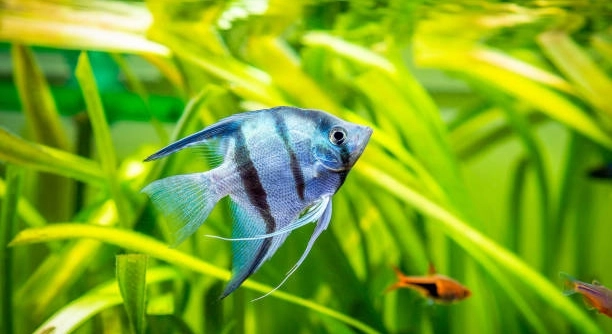
Angelfish are beautiful, and their tank can be a peaceful, vibrant space in your home. However, achieving a natural look can be a little tricky if you’re unsure where to start.
To make your angelfish tank look more natural, start by adding plants, rocks, and driftwood. Choosing the right decorations, water conditions, and tank layout is key to replicating a real aquatic environment for your fish.
Creating a natural habitat is easier than you might think. In the following sections, we’ll explore simple ways to enhance your angelfish tank’s beauty.
Choose the Right Plants for Your Angelfish Tank
Adding live plants to your angelfish tank instantly boosts its natural appearance. Plants not only help mimic an angelfish’s natural habitat but also provide hiding spots, which can reduce stress. Look for plants like Anubias, Java Fern, or Amazon Sword, which thrive in low to moderate light and provide necessary shelter for your fish. Avoid fast-growing plants that need heavy trimming, as they can quickly overcrowd the tank. Choose plants that complement the size of your tank and the behavior of your angelfish.
Aquatic plants help maintain a healthy balance by absorbing excess nutrients in the water. This reduces algae growth and improves water quality. They also provide oxygen, which is crucial for your fish’s well-being. When choosing plants, make sure they are compatible with your tank’s conditions.
While live plants are ideal, some artificial plants can look quite natural if chosen carefully. Just make sure they are safe for your angelfish and don’t have sharp edges that could hurt them. Take time to pick plants that will blend well with the overall aesthetic of your tank.
Add Natural Elements Like Rocks and Driftwood
Rocks and driftwood add structure to your tank, creating a more realistic environment. They offer shelter for angelfish and can be arranged to mimic natural underwater features.
Driftwood also provides hiding spaces and encourages natural behaviors, like exploring and establishing territories. Adding driftwood or rocks in the right spots can make the tank feel less artificial and more like the wild. It’s important to choose pieces that are safe for aquatic life to prevent any harm to your fish.
Create a Natural Tank Layout
To make your angelfish tank look natural, focus on layout. Arrange plants, rocks, and driftwood in a way that mimics nature’s random formations. This will make your tank appear more authentic.
Place taller plants towards the back and shorter ones in the front. Create open swimming areas for the angelfish, which prefer space to glide. Leave gaps in the layout to avoid overcrowding. A balanced arrangement ensures the fish feel secure without being overwhelmed by clutter. Consider a more irregular look, with varied heights and sizes for a realistic appearance.
Additionally, creating distinct zones can mimic the natural environment of angelfish. The areas of the tank can have specific plants or elements, like one side with rocks and another with driftwood. This not only adds visual interest but also creates a more natural flow to the tank’s design.
Maintain Proper Water Conditions
Water quality is essential for your angelfish and their habitat’s appearance. Soft, slightly acidic water that’s between 75-80°F (24-27°C) is ideal for most plants and angelfish. Keeping the water clear enhances the natural look of your tank.
Regular water changes and filtration are key to maintaining clear, healthy water. A filter that mimics natural flow is also helpful, as angelfish prefer calm water with gentle movement. Test the water regularly for ammonia, nitrites, and pH levels, adjusting as necessary. Keeping your tank clean and stable will ensure both your fish and plants thrive.
It’s essential to avoid water temperature fluctuations, as sudden changes can stress your angelfish. You can add a heater to stabilize the temperature and keep it consistent. A good water condition management plan ensures the tank stays healthy and beautiful, offering an environment where your angelfish can thrive.
Use Substrate That Mimics Natural Environments
Choosing the right substrate plays a key role in creating a natural look. A dark, fine gravel or sand mimics the soft riverbeds angelfish naturally inhabit. It also makes plants stand out better.
Dark substrate helps plants grow and provides a more pleasing contrast with the lighter colors of angelfish. It’s also softer on their fins, which is important for their health. This choice mimics the natural riverbeds found in their native environments.
Substrate also helps in keeping the tank’s water chemistry in check, especially if you opt for a nutrient-rich option. It supports plant roots and provides a natural habitat for beneficial bacteria.
Add Natural Lighting
Lighting helps create an authentic aquatic atmosphere. Using a dimmer, warmer light that replicates natural sunlight adds to the tank’s appeal.
Too bright a light can create an artificial look and encourage algae growth. Opt for lighting that simulates dawn and dusk for a calming, realistic effect. Keep the light on for about 8-10 hours a day to prevent disrupting the fish’s natural rhythm.
Avoid Overcrowding the Tank
Overcrowding your angelfish tank not only looks unnatural but also harms your fish’s health. Keep the number of fish manageable.
Angelfish need plenty of space to swim and establish their territories. Avoid placing too many plants or decorations in the tank, as it can limit their swimming area and cause stress.
FAQ
How can I make my angelfish feel at home in the tank?
To help your angelfish feel at home, create hiding spots with plants, driftwood, and rocks. These provide security and mimic their natural habitat. Ensure your tank is spacious enough for them to swim freely and comfortably. Keeping water conditions stable is key, as angelfish are sensitive to fluctuations in temperature and pH. Regular water changes, proper filtration, and a good balance of plants and decorations help create a calm environment. Adding natural elements like plants and driftwood not only makes the tank more aesthetically pleasing but also helps reduce stress for the fish.
Can I use artificial plants in my angelfish tank?
Yes, you can use artificial plants, but they should be safe and free from sharp edges that might harm your angelfish. Choose realistic-looking artificial plants that mimic the shapes and colors of live plants. However, live plants are generally better for water quality and fish health. If you use artificial plants, make sure to clean them regularly to avoid algae build-up. Artificial plants can still provide hiding spots and add color to your tank, but they won’t offer the same benefits to water quality as live plants.
What type of substrate should I use for angelfish?
A dark, fine-gravel or sand substrate is ideal for angelfish. It mimics their natural environment and provides a more natural look for the tank. Darker substrate also enhances the colors of your angelfish and helps plants grow better. Avoid large, sharp gravel, as it can hurt the fish or disrupt plant roots. Additionally, you might want to consider nutrient-rich substrates that help plants thrive. A good substrate helps maintain water quality, encourages natural behaviors, and adds to the overall aesthetic of your tank.
How often should I change the water in my angelfish tank?
Water changes should be done regularly to maintain a healthy environment for your angelfish. Typically, you should change about 20-30% of the water every week. This keeps the water clean, removes waste, and prevents harmful toxins from building up. If you have a larger tank or fewer fish, you can adjust the frequency. Always check the water parameters (pH, ammonia, nitrate) before changing the water. Keeping the tank clean and stable is crucial for angelfish health and for maintaining a natural-looking environment.
What kind of lighting do angelfish need?
Angelfish prefer a moderate amount of light that simulates natural daylight. LED lights with adjustable brightness are great for angelfish tanks. Lighting should be on for around 8-10 hours a day, with a period of darkness at night to mimic their natural cycle. Bright lighting can stress angelfish and cause algae growth, so it’s important to keep the light on a moderate setting. Some aquarists use a timer to ensure consistent lighting. Also, consider adding floating plants or decorations that can provide shade for the fish if they need a break from the light.
Can I keep angelfish with other types of fish?
Yes, angelfish can live with other fish, but it’s important to choose tank mates carefully. They do well with peaceful, non-aggressive fish that won’t compete for food or space. Ideal tank mates include species like tetras, gouramis, and corydoras catfish. Avoid keeping angelfish with aggressive or very small fish that might be seen as food. It’s also important to monitor the fish’s behavior and make adjustments if any aggression or territorial disputes arise. Providing plenty of space and hiding spots can help reduce stress and keep the tank peaceful.
What should I feed my angelfish?
Angelfish are omnivores, so their diet should include a mix of high-quality flake food, pellets, and occasional live or frozen foods like brine shrimp, daphnia, and bloodworms. Feed them small amounts two to three times a day, but make sure they eat everything within a few minutes to avoid overfeeding and water contamination. Angelfish can also nibble on plants, so you might notice them grazing on softer plants in the tank. A varied diet ensures they get all the necessary nutrients to stay healthy and vibrant.
How can I prevent algae from growing in my tank?
Algae thrive in tanks with excess nutrients, especially if there’s too much light or food left in the water. To prevent algae growth, keep the lighting in your tank moderate, and avoid leaving the lights on for too long. Perform regular water changes to keep nutrient levels in check, and remove uneaten food promptly. You can also add algae-eating fish like otocinclus catfish or snails to help keep the algae under control. Keeping the tank clean and well-maintained is key to preventing algae from taking over.
Do angelfish need a heater in their tank?
Yes, angelfish require a heater to maintain a stable water temperature. They thrive in water that is between 75°F and 80°F (24-27°C). Temperature fluctuations can stress angelfish and lead to illness. A reliable aquarium heater with a thermometer will help you maintain the right conditions. Make sure the heater is placed in an area with good water flow, and regularly check the temperature to ensure it stays consistent. Keeping the water warm and stable is essential for their health and well-being.
Can I breed angelfish in my tank?
Breeding angelfish is possible in a well-maintained tank. To encourage breeding, ensure the water is clean and at the right temperature (75-80°F). Provide a flat surface, like a large leaf or smooth rock, for the female to lay eggs. Angelfish are known to be excellent parents, with both the male and female guarding the eggs and the fry. However, breeding angelfish can sometimes result in aggression, so it’s important to monitor them closely. You may need a separate breeding tank to protect the fry from other fish in the main tank.
Final Thoughts
Creating a natural-looking angelfish tank doesn’t have to be complicated. By choosing the right plants, decorations, and water conditions, you can easily transform your tank into a peaceful, thriving environment for your fish. Remember, the goal is to mimic the natural habitats of angelfish, which helps them feel more secure and less stressed. A well-designed tank is not only visually pleasing but also beneficial for your angelfish’s health.
Consistency is key when maintaining a natural aquarium. Regular water changes, monitoring water quality, and providing proper lighting are essential to keeping the environment stable. When arranging plants and decorations, think about how they would appear in nature. Using dark substrate and creating open swimming areas are small steps that make a big difference in how natural the tank looks. The more you focus on the details, the more beautiful and realistic your tank will become.
While it’s easy to focus on aesthetics, remember that the well-being of your angelfish should always come first. Their health will be directly impacted by the conditions of the tank, so making sure the water is clean and their environment is stress-free is crucial. With a bit of effort, you can create a tank that looks great and provides a comfortable home for your angelfish.

Hello,
If you enjoy the content that we create, please consider saying a "Thank You!" by leaving a tip.
Every little bit helps us continue crafting quality advice that supports the health, happiness, and well-being of pets around the world, for pets of all shapes, sizes, and species.
We really appreciate the kindness and support that you show us!