
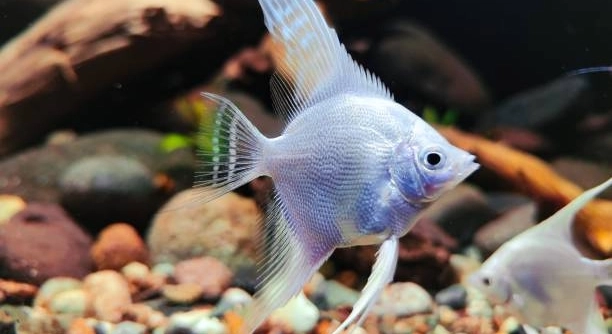
Angelfish can be a beautiful and graceful addition to any aquarium. However, when introducing them to a new tank, they may experience stress. Ensuring they feel comfortable and secure is important for their health and well-being.
The best way to help your angelfish feel more comfortable in a new tank is to focus on water quality, tank setup, and acclimation. Maintaining stable conditions, including temperature and pH levels, is essential for reducing stress and promoting healthy behavior.
Knowing how to properly introduce your angelfish to its new home can lead to a smoother transition and healthier fish.
Tank Size and Setup
When setting up a new tank for your angelfish, size matters. A tank that is too small can lead to overcrowding, which increases stress levels. A 20-gallon tank is the minimum recommended size for a single angelfish. A larger tank will give your fish more space to swim freely and explore, reducing stress.
Proper tank setup is equally important. Adding plants, driftwood, and hiding spots allows angelfish to feel more secure in their new environment. They naturally enjoy places to retreat, especially when they feel threatened. The tank should also be properly filtered, as angelfish are sensitive to poor water conditions.
Stable water temperature and a clean environment help ensure your angelfish thrive in the long term. Monitoring these elements and maintaining a well-planted tank setup will encourage your fish to feel safe and comfortable as they adapt to their new home.
Acclimating Your Angelfish to the New Tank
Acclimating your angelfish gradually to its new environment helps minimize stress. Slowly introducing them to the tank’s water temperature prevents shock and ensures a smoother transition.
To start, float the bag containing your fish in the tank for around 15 to 20 minutes, allowing the water temperature to adjust. Afterward, slowly add small amounts of tank water into the bag to help them adapt to the new water conditions. This method reduces the risk of any major shock to the fish’s system.
Once your angelfish is properly acclimated, it will begin to adjust to its new surroundings more easily. Always keep an eye on them for signs of distress during this period and ensure that the tank environment remains stable.
Water Quality and Filtration
Good water quality is essential for your angelfish’s comfort. Poor water conditions can lead to stress and health problems. Make sure your tank has a reliable filtration system to maintain clean water, free from toxins and waste.
You’ll want to test your water regularly, checking for ammonia, nitrite, and nitrate levels. The ideal pH for angelfish is between 6.8 and 7.8. In addition, maintain a stable water temperature between 74°F and 82°F (23°C – 28°C). Regular water changes—around 25% weekly—also help keep the environment fresh and stable.
Installing a proper filter reduces the buildup of harmful substances in the tank, making it easier for your angelfish to adjust. A good filter will also oxygenate the water, promoting better health. Keeping water quality in check is one of the simplest yet most effective ways to reduce stress for your fish.
Lighting and Tank Decorations
Angelfish prefer soft lighting that mimics their natural environment. Bright, harsh lights can stress them out, especially when they are still getting used to their new home. Opt for subdued lighting or a light timer to provide a consistent day-night cycle.
Decorations like plants, rocks, and driftwood not only make your tank look attractive but also offer hiding spots. Angelfish like places to retreat to when they feel threatened. Providing these elements allows them to establish territories and feel secure. Plants like Java Fern or Anubias are excellent choices for creating a natural environment.
These tank decorations don’t just provide security; they also help mimic the conditions angelfish would encounter in the wild. Ensuring a comfortable environment with soft lighting and plenty of places to hide can reduce anxiety and help your angelfish thrive.
Tank Mates
Angelfish can be territorial and may not do well with aggressive or overly active tank mates. Choose peaceful fish that won’t provoke your angelfish, like tetras or gouramis. Avoid species that are too small, as angelfish might see them as food.
It’s essential to monitor interactions between fish during the first few weeks of introduction. If you notice any signs of aggression or bullying, it’s best to separate the fish to prevent stress or injury. Give your angelfish plenty of space to feel secure and keep the environment as calm as possible.
Feeding Habits
A varied diet ensures your angelfish remain healthy. Offer them a mix of high-quality flakes, pellets, and occasional live or frozen foods, like brine shrimp or bloodworms. These foods support growth and enhance their colors.
It’s important not to overfeed, as excess food can deteriorate water quality quickly. Feed your angelfish small amounts two to three times per day, only what they can consume in a few minutes. Monitor their weight and behavior to make sure they are eating properly and adjusting to their new environment.
Stress Reduction
Stress can weaken your angelfish’s immune system, making them more susceptible to disease. Keeping the tank environment stable with proper temperature, pH levels, and filtration will help reduce stress. Avoid sudden changes, which could cause your angelfish to feel threatened.
If your angelfish is acting unusually, such as hiding frequently or swimming erratically, it’s a sign that something may be wrong. Check all water parameters to ensure they are within the ideal range and address any issues immediately.
FAQ
What should I do if my angelfish is not eating?
If your angelfish isn’t eating, check the water conditions first. Poor water quality can cause stress, leading to a loss of appetite. Test for ammonia, nitrites, and nitrates. If the levels are off, do a water change and adjust the filtration system.
Additionally, angelfish may refuse food if they are stressed or adjusting to their new tank. Ensure the tank mates are peaceful, and that the environment is calm. Try offering a variety of food, such as flakes, pellets, or live foods like brine shrimp, to entice them. If the problem persists for more than a few days, consult with a veterinarian to rule out any underlying health issues.
How often should I change the water in my angelfish tank?
Water changes are essential for maintaining a healthy environment for your angelfish. A 25% water change every week is generally recommended to keep the water clean and remove accumulated waste. However, if you have a heavily stocked tank or if water quality deteriorates faster, you may need to increase the frequency of water changes.
Ensure that the water you add is dechlorinated and matches the tank’s temperature to prevent shock. After a water change, test the water parameters to ensure they remain within the ideal range for your angelfish. Consistency is key to keeping the tank healthy.
How can I prevent my angelfish from being stressed?
To minimize stress, it’s important to maintain stable water conditions. Regularly test for ammonia, nitrites, and nitrates, and adjust the filtration as needed. Keeping the water temperature between 74°F and 82°F and the pH between 6.8 and 7.8 will help ensure your angelfish are comfortable.
Also, avoid sudden changes in the tank environment. Do not move decorations around or rearrange the tank frequently, as this can unsettle your angelfish. Provide plenty of hiding spots with plants and decorations so your angelfish can retreat when they feel threatened. Finally, choose peaceful tank mates and avoid overcrowding to reduce stress.
Can angelfish live with other fish?
Angelfish can live with other peaceful fish, but it’s important to choose compatible tank mates. Fish like tetras, rasboras, and small gouramis make good companions. Avoid aggressive species or those that might nip at your angelfish’s fins, as this can cause stress and injury.
If you’re adding new fish, observe the interactions carefully for the first few weeks. It’s common for angelfish to be territorial, so make sure they have enough space to establish their own area in the tank. If any fish are harassing your angelfish, it may be necessary to separate them.
How do I know if my angelfish is sick?
Common signs of illness in angelfish include changes in behavior, such as swimming erratically or hiding more than usual. Physical signs to watch for include discolored or clamped fins, swollen body, and visible lesions or sores. Angelfish may also stop eating or show labored breathing if they are unwell.
If you notice these symptoms, check the water parameters immediately. If the conditions are optimal and the symptoms persist, it’s a good idea to consult a vet who specializes in fish to diagnose the issue. Early treatment can prevent the spread of diseases.
What size tank do angelfish need?
Angelfish require a minimum tank size of 20 gallons for one fish. If you plan to keep multiple angelfish, it’s best to have a tank that is 30 gallons or larger to give them enough space to swim and establish territories.
Providing ample space reduces stress and promotes healthy growth. A larger tank also makes it easier to maintain water quality, as there’s more room for waste to be diluted. Be sure to consider the tank’s shape as well—taller tanks are better suited for angelfish, as they tend to swim in the middle and upper levels of the aquarium.
How can I breed angelfish?
Breeding angelfish can be a rewarding experience but requires careful planning. First, ensure that your tank is well-maintained and the water quality is optimal. You’ll need a male and female, which can be identified when they are old enough—usually after 6 to 12 months.
Once paired, provide them with a flat surface, like a broad leaf or a clean rock, where they can lay eggs. The female will deposit the eggs, and the male will fertilize them. After hatching, the fry should be fed small, high-protein foods like infusoria or newly hatched brine shrimp. Keep the tank clean and monitor the fry’s development closely.
Why are my angelfish’s fins clamped?
Clamped fins are often a sign of stress or illness in angelfish. If your angelfish is displaying this behavior, it could be due to poor water quality, overcrowding, or incompatible tank mates. Begin by testing the water and adjusting any parameters that are off.
In some cases, clamped fins may be caused by parasites, such as ich, or bacterial infections. If the fins remain clamped after addressing environmental factors, consider isolating the fish and treating with appropriate medications. A stressed angelfish may also seek shelter more often, so providing hiding spots is crucial.
How can I tell the gender of my angelfish?
Determining the gender of angelfish can be tricky, as males and females look very similar. One of the main differences is that females tend to have a rounder body, while males have a more elongated shape. When they are mature, you may also notice that the male has a slight bulge on its head, which is used for fertilizing the eggs.
However, these differences can be subtle, and it may be easier to tell the gender when the fish are ready to breed. In the breeding season, the male will chase the female and court her, which can help identify them.
Final Thoughts
Creating a comfortable environment for your angelfish is essential for their health and well-being. By ensuring stable water conditions, a balanced diet, and peaceful tank mates, you give your angelfish the best chance to thrive. Remember to monitor their behavior and adjust the environment as needed to reduce stress. Consistency is key to maintaining a healthy tank. Keeping the water clean and properly filtered will not only benefit your angelfish but also help all the other creatures in your tank.
While angelfish are relatively easy to care for, they do require attention to detail. This includes providing enough space for swimming, avoiding overfeeding, and keeping an eye on tank conditions. The right balance of lighting, water temperature, and pH will allow your angelfish to feel at home in their new tank. The more effort you put into understanding their needs, the more rewarding the experience of watching them grow and thrive will be.
Lastly, it’s important to stay informed and be prepared to act quickly if something goes wrong. Regular maintenance and close observation will help you catch any potential issues early. If your angelfish shows signs of illness or stress, address the problem as soon as possible to prevent further complications. With the right care, your angelfish can live a long, healthy life and bring beauty to your aquarium for many years.

Hello,
If you enjoy the content that we create, please consider saying a "Thank You!" by leaving a tip.
Every little bit helps us continue crafting quality advice that supports the health, happiness, and well-being of pets around the world, for pets of all shapes, sizes, and species.
We really appreciate the kindness and support that you show us!