
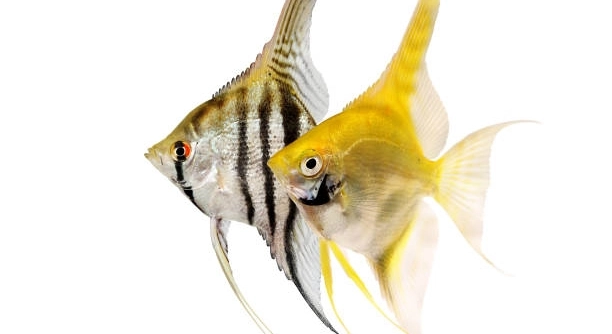
Angelfish are beautiful, vibrant creatures that can brighten up any aquarium. However, they can sometimes feel uneasy in their environment, leading to stress and health issues. Making them feel safe is essential for their well-being.
To ensure your angelfish feel safe, you need to create a calm and secure environment. This can be achieved through proper tank setup, water conditions, and providing hiding spots. Reducing stress helps them thrive in their surroundings.
In this article, we’ll explore simple but effective methods that can help your angelfish feel more secure. Taking the right steps can improve their quality of life and make your aquarium a healthier, more peaceful place.
Proper Tank Setup
Creating a well-balanced tank is essential for your angelfish’s comfort. A spacious tank with adequate water flow will help keep the water clean and provide enough room for swimming. Keeping the water temperature steady, around 76-82°F, is important for their health. The tank should also be filtered to maintain water quality. If your angelfish feel cramped or are exposed to fluctuating conditions, they are likely to become stressed.
When setting up your tank, make sure you add plants and decorations to give them hiding spots. Angelfish like places where they can retreat when they need rest or when they feel threatened. A peaceful environment helps keep them relaxed, reducing anxiety.
A well-maintained tank will not only help your angelfish feel more secure but also help in preventing health issues caused by poor water conditions. Always test the water regularly and make adjustments as needed. By keeping the tank environment stable, you create a safe space for your fish.
Water Quality
Water quality is a key factor in making your angelfish feel safe. Clean water is essential to reduce stress and ensure they stay healthy. Regular water changes and proper filtration help maintain optimal conditions.
Keeping the water clean is crucial for angelfish. The right pH level, hardness, and temperature support their overall well-being. You should aim for a slightly acidic to neutral pH of 6.5-7.5, with soft to moderately hard water. Frequent monitoring ensures they are always in an ideal environment.
Regular maintenance and water changes are important for keeping harmful chemicals in check. Ammonia and nitrites can build up quickly, causing illness. Using a water conditioner and keeping your tank clean will go a long way in ensuring your angelfish remain comfortable.
Tank Mates
Choosing compatible tank mates is vital for your angelfish’s comfort. Aggressive fish can cause stress and territorial disputes. Peaceful tank mates like tetras or mollies can keep the environment calm. Avoid overcrowding, as this can add to the anxiety.
When selecting tank mates, consider the temperament of your angelfish. Angelfish are known for being semi-aggressive but generally get along with other peaceful species. Avoid fish that are overly active or territorial. Additionally, ensure that the size and space in the tank are suitable for all the inhabitants.
It’s best to observe your angelfish closely when introducing new tank mates. Keep an eye on any signs of aggression or discomfort. If needed, provide extra hiding places or divide the tank to reduce conflict. The right tank mates help your angelfish feel more at ease and safe.
Lighting
Lighting plays an essential role in creating a calm environment. Too much light can cause stress, while too little can affect their health and behavior. A consistent light cycle helps them maintain a natural day-night rhythm.
To keep your angelfish comfortable, consider using dimmable lights that mimic natural conditions. This will allow your fish to have periods of rest when it’s dark. A gentle light setup prevents anxiety caused by bright, constant lighting. Angelfish appreciate a quiet, low-lit environment for sleep and rest.
Providing a balance of light and darkness is key. A timer can help you maintain a stable day-night cycle. It’s also a good idea to turn the lights off during the night, giving your fish the peaceful rest they need.
Hiding Spots
Adding plenty of hiding spots helps your angelfish feel secure. These provide them with places to retreat when they feel threatened or stressed. Use plants, rocks, or decorations to create these spaces.
By offering hiding spots, you allow your angelfish to escape any potential stressors in the tank. This gives them a safe space to rest or recover. Plants are especially helpful as they give them shelter without restricting movement. Proper hiding areas ensure that your angelfish feel more confident and less exposed.
Avoiding Sudden Movements
Sudden movements can startle angelfish, leading to stress. Keeping a calm and steady approach when interacting with the tank is crucial for their safety.
Fast or erratic movements near the tank can make angelfish feel threatened. If you’re cleaning the tank or rearranging decorations, do so slowly to avoid causing alarm. It’s also a good idea to keep loud noises to a minimum. This helps them feel more at ease and reduces unnecessary stress.
FAQ
What water temperature is best for angelfish?
Angelfish thrive in warm water, with a temperature range of 76-82°F (24-28°C) being ideal. Maintaining a stable temperature within this range ensures that your fish are comfortable and healthy. Temperature fluctuations can lead to stress, weakened immune systems, and illness, so it’s crucial to use a reliable aquarium heater to keep the water constant. It’s also important to monitor the temperature regularly with a thermometer to avoid any sudden changes that could harm your fish.
Can angelfish live with other fish?
Yes, angelfish can live with other fish, but it’s important to choose tankmates carefully. Peaceful fish like tetras, Corydoras, and rasboras generally do well with angelfish. Avoid aggressive or fin-nipping species, as they can cause stress or harm to your angelfish. Also, be mindful of the size of the fish in the tank. Very small fish may be seen as food, and very large fish can intimidate or bully your angelfish. A well-balanced tank with compatible species will help your angelfish feel secure and reduce stress.
How often should I feed my angelfish?
Angelfish should be fed 2-3 times a day, but it’s important to avoid overfeeding. Offer them only as much food as they can eat in 2-3 minutes. Overfeeding can lead to water quality issues and health problems like obesity or bloating. Be sure to provide a balanced diet, including high-quality flakes, pellets, and occasional live or frozen foods. Varying their diet can also keep them active and healthy. Removing any uneaten food within a few minutes will help keep the tank clean and prevent water contamination.
How can I tell if my angelfish is stressed?
Signs of stress in angelfish include abnormal swimming patterns, hiding more than usual, a lack of appetite, or aggression. If your angelfish seems restless or is constantly swimming near the top or bottom of the tank, it could be stressed. Changes in the fish’s coloration, such as fading or darkening, are also a common sign of distress. If these behaviors persist, it’s important to check the water quality, temperature, and tank setup. Stress can also result from tankmates, so observe the interactions between fish and adjust if necessary.
Do angelfish need a filter?
Yes, angelfish require a filter to keep the water clean and properly oxygenated. A good filter removes waste and toxins from the water, ensuring that the fish stay healthy. However, make sure the filter’s flow is not too strong, as angelfish prefer calm waters. Too much water movement can stress them out. You can achieve this by using a sponge filter or adjusting the power of a standard filter to create gentle circulation.
How do I keep my angelfish healthy?
To keep your angelfish healthy, maintain good water quality, provide a balanced diet, and ensure they have a peaceful environment. Regular water changes (about 25-30% weekly) help maintain optimal conditions. Keep the water temperature stable, and monitor the pH and hardness levels. Prevent overfeeding and remove uneaten food promptly. If you notice any signs of illness or stress, address the issue immediately. Regularly clean the tank and check for any damage or sharp edges in decorations that could hurt your fish.
What is the ideal tank size for angelfish?
Angelfish need plenty of space to swim and explore. A minimum tank size of 30 gallons is recommended for a single angelfish, with an additional 10 gallons for each extra fish. Larger tanks provide more stability in water conditions and allow for a more natural environment with enough room for hiding spots and swimming space. A bigger tank also reduces territorial behavior and allows for peaceful cohabitation with other species.
Can I keep angelfish with other types of cichlids?
Angelfish are cichlids, but they are relatively peaceful compared to other cichlid species. You can keep angelfish with other mild-mannered cichlids, like keyhole cichlids or apistogrammas, but you should avoid aggressive or overly territorial cichlids. Keep in mind that angelfish are territorial, especially during breeding, so be sure there’s enough space in the tank to prevent conflict.
Do angelfish breed in a community tank?
Yes, angelfish can breed in a community tank, but it’s less likely to happen unless the environment is just right. They prefer calm water and a secure, quiet place to lay their eggs. When angelfish pair off and start breeding, they may become more territorial and protective of their eggs. If you don’t want them to breed, consider removing any potential breeding sites or tankmates that might disturb them during the process. Some aquarists choose to separate the breeding pair to ensure the safety of the eggs and fry.
Final Thoughts
Taking care of angelfish requires attention to their environment and needs. By ensuring a stable and safe tank, you create the best conditions for your fish to thrive. Key factors like water temperature, quality, and tank size play a significant role in their health and comfort. Having enough space for swimming and places to hide helps reduce stress, which is crucial for angelfish, as they are sensitive to changes in their surroundings. A well-maintained tank with the right tankmates will go a long way in promoting their well-being.
Feeding your angelfish the right diet is another important aspect. Proper nutrition supports their immune system, helps them grow, and keeps them active. Avoid overfeeding, as this can lead to water quality issues. Instead, focus on offering a balanced, varied diet and remove uneaten food promptly. Monitoring their behavior and looking out for signs of stress or illness will allow you to address any issues early. If you ever notice any changes, it’s important to check water quality and the tank’s setup to identify potential causes.
Lastly, remember that keeping angelfish healthy is an ongoing process. Regular maintenance, like water changes and monitoring water conditions, is essential. You should also take care to select compatible tankmates that won’t cause stress. Over time, as you become more familiar with their needs, you’ll be able to provide a stable environment where your angelfish feel safe and secure. With patience and consistency, your angelfish can live a long, happy life in your aquarium.

Hello,
If you enjoy the content that we create, please consider saying a "Thank You!" by leaving a tip.
Every little bit helps us continue crafting quality advice that supports the health, happiness, and well-being of pets around the world, for pets of all shapes, sizes, and species.
We really appreciate the kindness and support that you show us!