
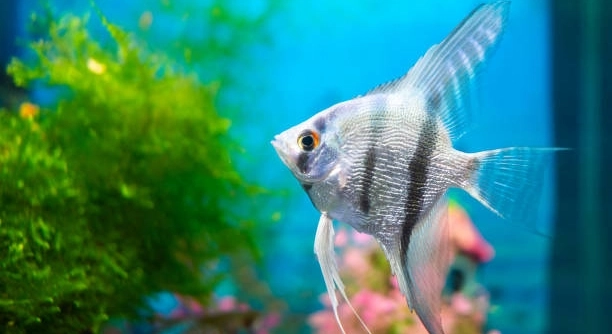
Introducing new fish to a tank can be a challenging experience, especially for sensitive species like angelfish. They require a stable and secure environment to feel comfortable and adjust smoothly. Ensuring their safety is key to their well-being.
The most effective way to help angelfish feel secure in a new tank is by providing proper hiding spots, maintaining water quality, and minimizing stress. A gradual introduction, calm surroundings, and consistent feeding can also foster a sense of safety and comfort.
Proper care and environment adjustments can make a big difference in helping your angelfish settle in. Ensuring their safety will support both their health and happiness as they adapt to their new home.
Provide Hiding Spots for Comfort
Angelfish are naturally shy creatures and need safe spaces to retreat when they feel threatened. Providing hiding spots like plants, rocks, or specially designed aquarium decorations can make a significant difference in how your fish adjusts to a new environment. When they have areas to hide in, they feel more secure and are less likely to become stressed.
In addition to helping with stress, these hiding places encourage angelfish to display their natural behaviors, such as swimming freely and interacting with the tank’s other elements. Without these refuges, angelfish may struggle to feel at ease.
When setting up the tank, ensure that the hiding spots are spread out and easily accessible. Avoid overcrowding the tank with too many decorations. You want to strike a balance between a safe space and a well-aerated environment. With the right setup, your angelfish will adjust to their new home more smoothly.
Maintain Stable Water Conditions
Water quality is essential to the health and comfort of your angelfish. Inconsistent water conditions can stress them out and even make them sick. Ensure the temperature, pH levels, and hardness are stable and within the ideal range for angelfish. Testing the water regularly is a good practice.
Maintaining clean water with appropriate filtration will also prevent harmful toxins from building up. This will help your angelfish feel more comfortable and less stressed. Stable water conditions are fundamental for their well-being and will help them adapt quickly to their new home.
Limit Tank Mates
Introducing new tank mates to angelfish should be done cautiously. Aggressive or overly active fish can cause them to feel threatened. Choose tank mates that are peaceful and not too large to avoid stressing your angelfish.
Angelfish thrive in calm environments. Tank mates that are too aggressive or competitive for food can make angelfish anxious. When selecting companions, consider species that are similar in size and temperament. Avoid placing angelfish with fish that are overly territorial, as they may become stressed and display defensive behavior.
Having the right companions helps angelfish feel secure, which encourages them to swim and interact freely within the tank. Take your time when introducing new fish, making sure to monitor their interactions closely. This ensures that your angelfish will settle in without feeling threatened or unsafe.
Introduce Fish Gradually
When introducing angelfish to a new tank, it’s important to introduce them slowly. Avoid adding too many fish at once, as this can cause stress and lead to territorial disputes. A gradual introduction helps everyone adjust.
Start by introducing one or two fish at a time. This gives the angelfish a chance to get used to their new environment and reduces any territorial behavior. Be sure to monitor how they interact, looking for any signs of aggression or stress. If necessary, remove the fish and try again later.
By introducing fish gradually, you give your angelfish the time they need to feel comfortable in their new surroundings. This process will also help prevent any issues that could arise from overcrowding or rapid changes in the tank. A calm introduction sets a peaceful tone for the tank.
Avoid Overcrowding the Tank
Overcrowding a tank can make your angelfish feel cramped and stressed. Too many fish in one tank increases the chances of territorial conflicts and reduces swimming space. A properly sized tank is essential for their comfort.
When setting up the tank, ensure it provides enough space for all the fish to move freely. Angelfish need room to swim without constantly interacting with other fish. A crowded tank can also lead to poor water quality, which can further stress the angelfish.
A spacious tank provides the right environment for angelfish to explore and feel safe, reducing stress and allowing them to thrive.
Provide Proper Nutrition
Feeding your angelfish a balanced diet is essential for their health. A well-fed angelfish is more likely to feel secure in its environment. Ensure their diet consists of a variety of high-quality food like pellets, flakes, and occasional live food.
Proper nutrition supports their immune system and enhances their overall well-being. A well-nourished angelfish will feel more comfortable in its new tank and adjust more easily. Make sure to feed them in moderation to avoid overfeeding, which can lead to poor water quality.
Keep the Tank Environment Quiet
Angelfish are sensitive to noise, and sudden loud sounds can cause them stress. Keeping the tank environment quiet and calm will help your angelfish feel more secure in their new home. Avoid placing the tank in high-traffic areas or near loud appliances.
By maintaining a peaceful environment, you can reduce unnecessary stress for your angelfish. They will feel safer and more at ease, which will help them adapt to their new surroundings more quickly.
FAQ
How long does it take for angelfish to adjust to a new tank?
The adjustment period for angelfish can take anywhere from a few days to a few weeks. It largely depends on the water quality, the tank setup, and how quickly they adapt to their new environment. During this time, it’s important to monitor their behavior closely and ensure that they have the right conditions to settle in. Keep stress factors to a minimum, such as loud noises or sudden tank changes, and allow them the space they need to feel secure. Patience is key when helping them adjust.
Can angelfish live with other fish?
Yes, angelfish can live with other fish, but it is crucial to choose peaceful, non-aggressive tank mates. Species that are too aggressive or territorial may stress the angelfish. Ideal tank mates include fish like tetras, guppies, and certain species of plecos. Avoid placing angelfish with fin-nippers or overly competitive fish. Compatibility is key to ensuring the safety and comfort of your angelfish in a community tank.
What temperature should the water be for angelfish?
Angelfish prefer a water temperature between 76°F and 84°F (24°C to 29°C). It’s important to maintain a consistent temperature within this range to keep your angelfish healthy and comfortable. Sudden temperature fluctuations can cause stress and make your fish more susceptible to diseases. A reliable aquarium heater can help stabilize the water temperature, especially in cooler environments.
Do angelfish need a filter?
Yes, angelfish require a filter to maintain water quality. A filter helps remove waste, toxins, and debris from the water, creating a healthier environment. Angelfish are sensitive to poor water conditions, so having a proper filtration system is essential for their well-being. However, make sure the filter’s current is not too strong, as angelfish prefer calm waters.
How often should I feed angelfish?
Angelfish should be fed once or twice a day, depending on their age and activity level. Overfeeding can lead to water pollution and health issues. Offer them a balanced diet consisting of high-quality pellets, flakes, and occasional live or frozen food like brine shrimp. It’s important to remove any uneaten food after a few minutes to prevent it from affecting the water quality.
Why is my angelfish hiding all the time?
If your angelfish is hiding frequently, it may be stressed or not feeling secure. Common reasons for this behavior include aggressive tank mates, poor water quality, or an unfamiliar environment. Make sure the tank has enough hiding spots for your angelfish to retreat to when needed. It’s also important to check water parameters and ensure they are within the recommended range.
How do I know if my angelfish is stressed?
Signs of stress in angelfish include rapid breathing, hiding frequently, lack of appetite, or abnormal swimming patterns. If your angelfish is constantly swimming near the surface or pacing back and forth, this could be an indicator of stress. Additionally, physical signs such as torn fins or discoloration may suggest that they are experiencing distress. Addressing environmental factors like water quality and tank mates can help reduce stress.
Can angelfish live in a small tank?
Angelfish need a minimum of a 20-gallon tank, with larger tanks being preferable as they grow. A small tank can cause stress due to the lack of swimming space and difficulties with maintaining stable water conditions. If you want your angelfish to thrive, ensure they have plenty of space to swim and explore their surroundings.
What should I do if my angelfish are fighting?
If your angelfish are fighting, it may be due to territorial behavior or overcrowding. In this case, rearranging tank decorations can help break the territorial habits, as it allows the fish to establish new territories. Also, ensure there is enough space in the tank and that your fish have suitable hiding spots. If fighting continues, separating the aggressive fish may be necessary.
Is it safe to move my angelfish to a new tank?
Moving angelfish to a new tank should be done carefully. Gradually acclimate them to the new environment by slowly adjusting the water temperature and quality. Sudden changes can cause shock and stress. It’s also helpful to introduce your angelfish into the new tank during quiet times when there’s minimal activity. Make sure the new tank has been set up properly with stable water conditions, hiding spots, and compatible tank mates before moving your angelfish.
Why are my angelfish not eating?
If your angelfish are not eating, check the water conditions first. Poor water quality or incorrect temperature can affect their appetite. Stress from tank mates or an unfamiliar environment can also be a factor. If they still refuse to eat after addressing these issues, it might be helpful to offer a variety of foods or try live foods, which can be more appealing to some angelfish.
Final Thoughts
Helping your angelfish feel safe in a new tank is essential for their well-being and long-term health. Ensuring they have a peaceful, stable environment can reduce stress and promote healthy growth. It’s important to remember that angelfish are sensitive creatures, and their adjustment to a new home depends on several factors, including water quality, tank mates, and the overall setup of the tank. Taking the time to introduce them carefully to their new surroundings will make a big difference in their comfort level.
One of the key factors in making your angelfish feel safe is ensuring the tank conditions are right. This means maintaining appropriate water temperature, pH levels, and filtration. A stable environment allows your fish to feel secure and less stressed. Adding the right tank mates is another crucial aspect. Peaceful, non-aggressive species will help keep the angelfish calm. Introducing fish gradually instead of all at once will also minimize any potential stress. By creating an environment where your angelfish feel secure, you’re providing them with the best chance to thrive.
Lastly, patience is important when adjusting to new surroundings. Angelfish might take some time to get used to their new tank, and it’s essential to let them settle in at their own pace. Monitor their behavior closely and make necessary changes as needed. With the right care, your angelfish will eventually feel comfortable and begin to show their natural beauty and personality. By following these simple guidelines, you can ensure that your angelfish have a happy and healthy life in their new home.

Hello,
If you enjoy the content that we create, please consider saying a "Thank You!" by leaving a tip.
Every little bit helps us continue crafting quality advice that supports the health, happiness, and well-being of pets around the world, for pets of all shapes, sizes, and species.
We really appreciate the kindness and support that you show us!