
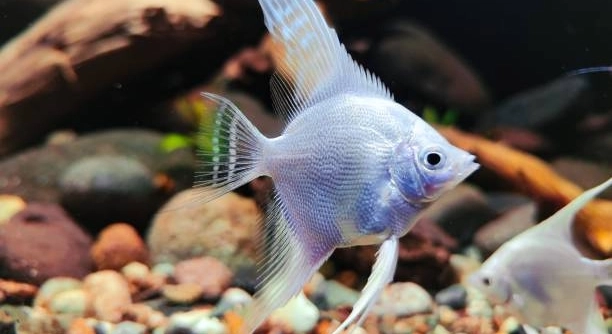
Do you ever find yourself feeling unsure about how often or how much water to change in your angelfish tank? It’s common to worry about doing something wrong that might upset their delicate balance.
The key to making water changes less stressful for your angelfish is consistency, preparation, and gentle handling. By creating a routine, using dechlorinated water at the right temperature, and avoiding sudden shifts, you can support their health and reduce anxiety.
Each method is designed to help you care for your angelfish more confidently while keeping their tank environment stable and peaceful.
Use Treated Water at the Right Temperature
One of the easiest ways to reduce stress during water changes is to make sure the new water is properly treated and at the right temperature. Tap water often contains chlorine and chloramines that can harm your angelfish. Using a water conditioner removes these chemicals, making the water safe. Temperature is just as important—if the new water is too warm or too cold compared to the tank, your fish might become stressed or even sick. Always test the temperature with a reliable thermometer and try to match it closely to what’s already in the tank. Making this small change can have a big impact on your angelfish’s comfort and health. When done carefully, your fish may not even notice that a water change has happened. Over time, this can make your angelfish feel more secure and less likely to react negatively during routine tank maintenance.
Conditioned water prevents chemical exposure while a consistent temperature helps your angelfish feel safe and calm during changes.
If you’re ever unsure about water temperature, let the replacement water sit for a bit and adjust naturally before adding it to the tank. It’s a gentle way to keep things balanced for your angelfish.
Change Smaller Amounts More Often
Large, infrequent water changes can be stressful for angelfish. Changing smaller amounts weekly helps them adjust better and keeps the tank environment steady.
Aiming for about 20–30% of the tank volume once a week is a good routine to follow. This prevents sudden shifts in water chemistry that can affect your fish’s behavior and health. When big changes happen too fast, angelfish can become confused, hide more often, or lose their appetite. By keeping the changes small and regular, you create a stable space where they feel more secure. It also makes the process quicker and easier for you. You’ll spend less time cleaning and more time enjoying your fish. Another benefit is that frequent maintenance helps you spot problems early. If something is wrong—like a cloudy tank or a foul smell—you can deal with it before it becomes serious. This steady rhythm helps your angelfish thrive in a clean and calm tank.
Clean Equipment Before and After
Dirty tools can spread bacteria and mess with your water quality. Rinse buckets, siphons, and sponges before and after each use to prevent buildup. This simple habit keeps your angelfish safer and reduces unwanted stress during water changes.
Even if your equipment looks clean, it can still hold residue, algae, or tiny particles that affect your tank. Always rinse everything with hot water and avoid using soap or chemicals. Let tools dry fully before storing them. Having a designated bucket and siphon just for your aquarium also helps limit contamination. If you’ve recently cleaned another tank or dealt with sick fish, this becomes even more important. It’s an easy step that often gets overlooked but makes a real difference. Clean tools don’t just protect your angelfish—they help keep your water changes smooth, which means less disturbance and fewer issues in the long run.
Having a set routine for cleaning your supplies makes water changes faster and safer. Wipe down your tools, rinse them, and put them away where they stay dry and dust-free. This habit also helps you notice if something is broken or needs replacing. When everything is in good shape, your angelfish benefit from better water quality and stability.
Keep a Consistent Schedule
Fish thrive on routine, and angelfish are no exception. A consistent water change schedule helps them feel secure. Unpredictable changes can lead to stress, illness, or changes in behavior. Pick a day and time that works for you and stick with it weekly.
Keeping a consistent schedule also makes your own life easier. You’re less likely to skip changes when it becomes part of your weekly rhythm. Your angelfish will adjust to the routine, and you’ll notice them staying active and relaxed during cleaning. Sudden changes, like skipping a week then doing a big water change, can cause more harm than good. Consistency prevents this. It also helps you stay aware of water conditions. If you make water changes on the same day each week, it becomes a habit—something you don’t have to think twice about. This creates a safer and more peaceful tank that your angelfish can thrive in.
Limit Sudden Movements
Quick hand motions or loud splashing during water changes can startle angelfish. Move slowly and calmly when cleaning the tank. This helps your fish stay relaxed and reduces the chance of them darting or hiding during maintenance.
If you use a siphon or net, place it in the water gently. Avoid bumping the glass or stirring the substrate too fast. Keeping the noise and motion to a minimum creates a peaceful environment that makes water changes easier for both you and your angelfish.
Observe Their Behavior After
After each water change, take a few minutes to watch how your angelfish respond. Look for signs of stress like clamped fins, rapid gill movement, or hiding more than usual. Healthy angelfish will return to their normal swimming patterns shortly after the change. If they seem uneasy, double-check the water temperature and quality. Observation helps you catch small problems early. Over time, your fish will learn that water changes don’t mean danger, especially when handled gently. Noticing how they behave after each session can help you fine-tune your routine and keep their environment calm and stable.
Avoid Overfeeding Before Changes
Feeding right before a water change can stir up extra waste and make the water cloudy. It’s better to feed your angelfish a few hours before or after maintenance for cleaner, healthier conditions.
FAQ
How often should I change the water in my angelfish tank?
Angelfish do best with weekly water changes. About 20-30% of the tank volume is ideal. This helps maintain stable water conditions and removes toxins without causing too much disruption. If you have a heavily stocked tank, you might need to change the water more often. However, regular small changes prevent problems from building up and keep your fish happy. If you skip too many changes, the tank can become polluted quickly, which can lead to stress and illness in your fish.
What temperature should the water be for my angelfish?
Angelfish thrive in water temperatures between 76°F and 82°F (24°C–28°C). Make sure the water you add during a change is within this range to avoid stressing your fish. If the water is too cold or too hot, it can lead to health issues, like slowed metabolism or difficulty breathing. A reliable aquarium thermometer is essential to ensure proper water temperature before adding it to the tank. Always give the water time to adjust to the right temperature if you’re using fresh water from a different source.
Can I use tap water for my angelfish tank?
You can use tap water, but it needs to be treated first. Tap water often contains chlorine, chloramines, or heavy metals that can harm your angelfish. A water conditioner removes these harmful substances and makes the water safe for your fish. If you’re unsure about the quality of your tap water, consider having it tested or using bottled water as a backup option. Just make sure to treat it before adding it to the tank, and always check the pH level to ensure it matches your fish’s needs.
How can I make sure my angelfish are not stressed during water changes?
Moving slowly, reducing noise, and keeping the water temperature stable are key factors in reducing stress during water changes. Avoid large, sudden changes in the tank, as angelfish are sensitive to shifts in water conditions. Try to stick to a regular schedule and avoid feeding right before or after the water change. Handling the tank carefully, without sudden movements or splashing, will help your angelfish remain calm. Additionally, using a water conditioner to remove chlorine or chloramines and ensuring proper water temperature will also make the process smoother.
What should I do if my angelfish are hiding after a water change?
If your angelfish hide after a water change, it’s a sign they might be stressed or uncomfortable. Check the water temperature, pH, and ammonia levels to ensure the conditions haven’t changed too much. If everything seems fine, give them some time to settle back into their environment. Angelfish are naturally shy and might take a little while to adjust, especially after a big change in the water. As long as their hiding doesn’t last too long, they should return to normal activity soon.
How do I clean my angelfish tank properly?
To clean the tank, remove debris and vacuum the substrate, being careful not to disturb the fish too much. Use a siphon to remove the water you plan to change, and gently scrub the glass if needed. Be sure to clean your filter monthly and replace any media as necessary. Avoid using soap or chemicals when cleaning; hot water and aquarium-safe tools are your best bet. Rinse everything well and give the tank time to settle before adding fresh water. Keeping your tank clean helps maintain a healthy environment for your angelfish.
What can I do if the water in my angelfish tank smells bad after a change?
A bad smell usually means something is decaying in the tank, such as leftover food, organic waste, or a filter that needs cleaning. Check for uneaten food and remove it immediately. Also, clean the substrate, and ensure the filter is working properly. If the smell persists, test the water for high ammonia or nitrite levels, which can be harmful to your fish. Regular water changes, proper filtration, and keeping the tank free from debris will help maintain a clean-smelling environment for your angelfish.
How long does it take for angelfish to adjust after a water change?
Angelfish generally adjust quickly if the water change is done carefully. If the water temperature, pH, and chemical levels are similar to the previous conditions, your angelfish may return to normal activity within a few minutes to an hour. However, if they seem stressed, give them some quiet time and check the water quality again. It’s important not to rush the process—angelfish need time to feel comfortable in their environment. Regular water changes make them more accustomed to the routine.
Do I need to remove my angelfish during water changes?
Typically, it’s not necessary to remove your angelfish during water changes. They can stay in the tank as long as the changes are gradual and the water conditions are stable. However, if you’re cleaning the tank deeply or using strong chemicals, you may want to temporarily move them to a separate tank. Just make sure the temporary tank has similar water conditions and is properly filtered. Moving the fish unnecessarily can cause additional stress, so it’s better to avoid it unless required for their safety.
How can I reduce the stress of water changes over time?
To reduce stress for your angelfish, stick to a consistent water change schedule, and make sure the water is treated and at the right temperature. Also, avoid sudden or large changes, as this can shock the fish. Over time, they’ll become more accustomed to the routine and will likely show less stress. Gentle movements and a calm approach are essential to making the process easier. Keeping the tank environment stable and healthy is the best way to ensure your fish remain comfortable long-term.
Final Thoughts
Taking care of your angelfish’s tank doesn’t have to be stressful. With a little preparation and consistency, water changes can become a simple, straightforward task. The key is to make small adjustments that work for both you and your fish. Start by keeping the water temperature consistent and treating the water to remove harmful chemicals like chlorine. Using tools that are clean and free of chemicals helps ensure the water remains safe. By following a regular water change schedule, you can maintain a healthy environment for your angelfish without overwhelming yourself.
When it comes to water changes, don’t rush or overdo it. Making smaller changes more frequently will give your angelfish time to adjust without causing unnecessary stress. Remember to move slowly and avoid sudden splashes or loud noises. These small actions can make a big difference in how your angelfish react to the process. Also, always observe your fish after the water change to check for any signs of discomfort. If they seem a little stressed at first, it’s usually normal, but over time, they should get used to the routine.
Water changes are an important part of maintaining your angelfish tank, but they don’t have to be a hassle. By following simple steps like using treated water, keeping a regular schedule, and being mindful of your fish’s behavior, you can make the process smoother. With time, your angelfish will adapt to the routine, and both you and your fish will enjoy a calm and clean tank. Regular water changes are a small effort that can go a long way in ensuring your angelfish stay healthy and happy.

Hello,
If you enjoy the content that we create, please consider saying a "Thank You!" by leaving a tip.
Every little bit helps us continue crafting quality advice that supports the health, happiness, and well-being of pets around the world, for pets of all shapes, sizes, and species.
We really appreciate the kindness and support that you show us!