
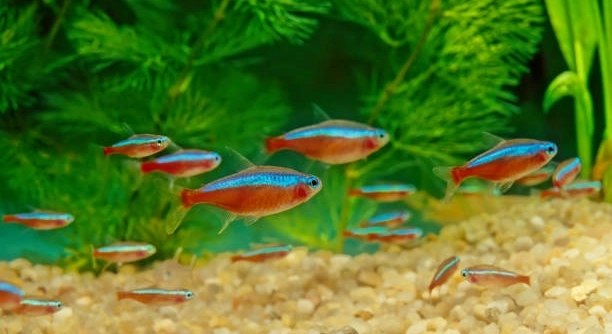
Are your tetra tanks feeling a bit plain or artificial? Many aquarium owners want to create a more natural look that mimics the fish’s real environment. Small changes can make a big difference in how your tank appears and feels.
Creating a natural-looking tetra tank involves selecting appropriate plants, substrate, and decorations that replicate the fish’s habitat. Proper arrangement and lighting also contribute to an authentic and balanced aquatic environment. These elements help promote the well-being of the fish while enhancing visual appeal.
Making your tank more natural can improve both its beauty and your tetra’s comfort. The following tips will help you achieve a more inviting and realistic aquarium setting.
Choose the Right Plants for Tetras
Selecting the right plants is essential to make a tetra tank look natural. Live plants not only improve the tank’s appearance but also create a healthy environment by providing oxygen and hiding spots. Popular choices include Java fern, Anubias, and Amazon sword. These plants are hardy, require low to moderate light, and mimic the tetras’ natural habitat. Avoid plants that grow too tall or need too much light, as they can overwhelm the tank and cause maintenance issues. Position plants at different heights to add depth and variety. Grouping plants helps simulate natural underwater landscapes and makes the tank more appealing. Remember to trim the plants regularly to prevent overgrowth and keep the tank clean. Using a substrate that supports plant growth will also help them thrive and contribute to the natural look. By choosing suitable plants, you create a balanced environment where your tetras feel safe and look great.
Plants add life and structure to a tank, making it look more like a natural habitat. They also improve water quality and provide shelter for fish.
Adding the right plants is a simple way to combine beauty with functionality. They create natural hiding spots that reduce fish stress and encourage natural behaviors. Plus, healthy plants absorb nitrates, helping maintain better water conditions. Choosing slow-growing species reduces maintenance, while varying leaf shapes and sizes enhance the tank’s visual interest. Make sure to use plant-friendly substrate and fertilizers if needed. Healthy plants bring movement and color, making the tank vibrant. This supports the overall well-being of your tetras, which is as important as aesthetics.
Use Natural Decorations and Substrate
Natural decorations and substrate give a tank its authentic feel. Gravel or sand substrates are common choices that replicate riverbeds and lakes where tetras live. Avoid overly bright or artificial-looking gravel. Instead, choose neutral colors like browns, tans, or black to keep things realistic. Driftwood and smooth rocks add texture and provide hiding spots. These decorations also encourage natural fish behavior and create focal points in the tank. Be cautious with driftwood, making sure it is aquarium-safe and properly soaked to avoid discoloring the water. Arranging decorations thoughtfully creates a balanced layout that looks pleasing and functional. Combining substrate, wood, and rocks will enhance the tank’s depth and offer different environments for the tetras to explore.
A natural substrate and decorations create a better environment for tetras and elevate the tank’s overall appearance.
Selecting the correct substrate and decorations is key for a natural tank. Gravel or sand should support plant growth and be easy to clean. Smooth rocks avoid harming delicate fish and mimic their natural surroundings. Driftwood offers shelter and contributes tannins that slightly acidify the water, which tetras prefer. Position decorations to allow open swimming space while providing shaded areas. Avoid overcrowding to maintain water flow and reduce debris buildup. This balance helps keep the tank healthy and visually appealing. Natural elements also help replicate water parameters closer to the tetras’ native habitats, which supports their health. When these elements are combined carefully, the tank becomes both functional and beautiful, ensuring a comfortable home for your fish.
Adjust Lighting for a Natural Effect
Proper lighting makes a big difference in how natural your tetra tank looks. Use soft, diffused lighting instead of harsh bright lights. This mimics the shaded conditions found in their natural environment.
Soft lighting helps plants grow without stressing the fish. It creates gentle shadows and highlights that add depth to the tank. Avoid using very bright or white LED lights, which can make the tank look artificial. Instead, select bulbs with a warmer or slightly blue tint. Installing a timer ensures consistent day-night cycles, promoting natural fish behavior. Light intensity and duration should be balanced to prevent algae growth but support plant health. This balance helps the tank feel more like a natural aquatic habitat.
Lighting should also enhance the colors of your tetras without overwhelming them. Experimenting with different light angles can highlight decorations and plants, giving the tank a more three-dimensional appearance. By controlling lighting carefully, the aquarium looks calmer and more inviting, which benefits both the fish and the overall aesthetic.
Create Hiding Spots and Open Swimming Areas
Tetras need a mix of hiding places and open space to swim freely. Natural tanks offer shaded areas under plants or driftwood where fish feel secure.
Providing both shelter and swimming space reduces stress and encourages natural behaviors. Hiding spots protect shy fish from aggressive tank mates or sudden movements. Open areas allow active swimming and social interaction. Use plants, rocks, and driftwood to create varied environments within the tank. Avoid overcrowding to maintain proper water flow and cleanliness. This balance supports fish health and gives the tank a natural feel. Thoughtful placement of hiding spots and open areas improves the overall look and functionality of the aquarium.
Maintain Clean and Clear Water
Clear water is essential for a natural-looking tank. Regular water changes and proper filtration keep the environment healthy and visually appealing.
Removing waste and excess nutrients prevents cloudy water and algae growth. Clean water allows the colors of fish, plants, and decorations to stand out more vividly.
Use Subtle Backgrounds
A subtle, natural-colored background enhances the tank without distracting from its contents. Dark greens, browns, or black backgrounds work best.
These colors create depth and help fish colors pop, giving a more immersive, natural feel to the aquarium. Avoid bright or flashy backgrounds that make the tank look artificial.
Keep Fish in Appropriate Numbers
Overcrowding causes stress and reduces the natural appearance of a tank. Stick to recommended tetra group sizes.
A balanced fish population allows for healthy interactions and prevents water quality issues, contributing to a stable, natural environment.
FAQ
How often should I clean my tetra tank to keep it natural?
Regular cleaning is essential to maintain a natural look and a healthy environment. Partial water changes of about 20-30% every one to two weeks help remove waste and toxins without disturbing beneficial bacteria. Cleaning algae from glass and decorations as needed keeps the tank clear. Avoid deep cleanings that remove too much beneficial bacteria or disturb plants and substrate. A consistent schedule balances cleanliness with the natural biological cycle.
What type of substrate is best for a natural tetra tank?
Fine gravel or sand with neutral, earthy tones works best to mimic natural riverbeds. Avoid brightly colored or synthetic-looking substrates. A nutrient-rich substrate supports plant growth, contributing to the tank’s natural appearance. Sand is easier for tetras to swim over and sift through, while gravel provides good anchoring for plants. Choose a substrate that fits your tank’s design and supports both plants and fish health.
Can I use artificial plants instead of live ones?
Artificial plants can add greenery but do not offer the same benefits as live plants. They lack oxygen production, natural filtration, and do not support biological balance. Live plants improve water quality, provide hiding spots, and promote natural behaviors. If using artificial plants, choose realistic ones and combine them with natural decorations and proper lighting to improve the tank’s natural feel.
How much lighting do tetra tanks need for a natural look?
Tetras thrive under moderate, diffused lighting that simulates shaded environments. Aim for 8-10 hours of light per day, using bulbs with a soft, warm tint. Too much light causes algae growth and stresses fish. Installing a timer ensures a consistent day-night cycle. Adjust lighting intensity to balance plant growth and avoid harsh brightness.
What decorations are safe and natural for tetra tanks?
Use smooth river rocks, driftwood, and natural-looking caves or ornaments. Avoid sharp or rough decorations that can injure fish. Ensure driftwood is aquarium-safe and soaked to remove tannins that may discolor water. Natural decorations provide hiding spots and promote natural behaviors, helping fish feel secure and reducing stress.
How many tetras should I keep in one tank?
Tetras are schooling fish and need groups of at least six to feel comfortable. Overcrowding reduces water quality and increases stress. A good rule is one inch of fish per gallon, considering adult size. A balanced number supports healthy behavior and helps maintain the tank’s natural balance.
What is the best way to arrange plants and decorations?
Create layers with taller plants in the back and shorter ones in front to add depth. Place decorations to form natural hiding spots and open swimming areas. Avoid overcrowding to maintain water flow and cleanliness. Thoughtful placement mimics natural environments and allows fish to exhibit natural behaviors.
How can I control algae without harming the natural look?
Regular water changes, balanced lighting, and not overfeeding reduce algae growth. Introducing algae-eating fish or snails can help. Avoid chemical algae removers that may harm plants or fish. Keeping the tank balanced with healthy plants outcompeting algae supports a clean, natural appearance.
Is it necessary to test water parameters often?
Regular testing of pH, ammonia, nitrites, and nitrates ensures the tank stays healthy and natural. Tetras prefer slightly acidic to neutral water (pH 6.0-7.0). Monitoring parameters helps catch issues early, preventing stress and disease. Keeping water stable supports both fish and plants, maintaining the natural environment.
How do I encourage natural behavior in tetras?
Provide a well-planted tank with hiding spots and open swimming areas. Keep them in proper school sizes and maintain consistent lighting and water conditions. Natural decorations and substrate help simulate their native habitat. A stable environment reduces stress and encourages social interaction, feeding, and exploration behaviors typical of wild tetras.
Creating a natural-looking tetra tank takes some effort but can greatly improve the overall experience for both the fish and the tank owner. By carefully choosing plants, decorations, substrate, and lighting, you create an environment that closely resembles the tetras’ native habitat. This not only makes the aquarium more visually pleasing but also supports the health and well-being of the fish. Natural tanks encourage tetras to display their natural behaviors, which can be enjoyable to observe and help reduce stress in the fish.
Maintaining a balance between aesthetics and functionality is important. Regular cleaning, proper water care, and monitoring fish numbers contribute to a stable and healthy environment. Choosing live plants and natural decorations helps improve water quality and offers shelter to the fish. Adjusting lighting and providing both hiding spots and swimming space makes the tank comfortable for tetras. These efforts combine to create a tank that feels alive and vibrant rather than artificial or crowded.
In the end, the goal is to design an aquarium that benefits your tetras while also being easy to care for and visually appealing. Small, consistent steps can lead to big improvements. Paying attention to details like substrate color, lighting quality, and tank layout will make a noticeable difference. A natural tank is a rewarding project that enhances your connection to the fish and makes your aquarium a beautiful part of your home.

Hello,
If you enjoy the content that we create, please consider saying a "Thank You!" by leaving a tip.
Every little bit helps us continue crafting quality advice that supports the health, happiness, and well-being of pets around the world, for pets of all shapes, sizes, and species.
We really appreciate the kindness and support that you show us!