
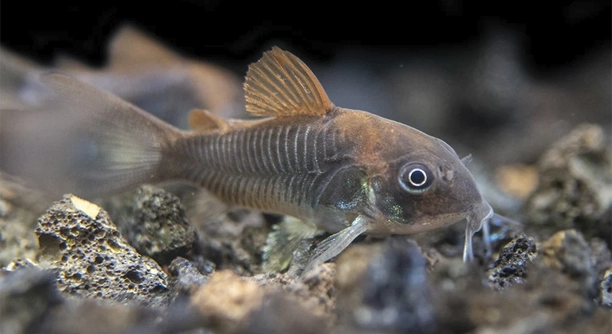
Creating the right tank conditions for Corydoras catfish can significantly influence their growth and overall health. These small, peaceful fish thrive in well-maintained environments, making it essential to optimize their habitat for optimal development.
The ideal conditions for Corydoras catfish growth include stable water temperature, clean water, appropriate tank size, and proper filtration. Regular water changes, a substrate they can interact with, and suitable tank mates also play critical roles in supporting their well-being and growth.
Maintaining these conditions will ensure a thriving environment for Corydoras catfish.
Water Temperature and Stability
Maintaining a consistent water temperature is one of the most important factors for Corydoras catfish growth. These fish are naturally found in tropical waters, so they require water temperatures between 72°F and 78°F (22°C and 25°C). Temperatures outside this range can cause stress, slowing their growth and impacting their immune system. Sudden temperature fluctuations can be particularly harmful, leading to health problems.
A reliable aquarium heater is a must to keep the water at a steady temperature. To monitor the temperature, use a thermometer and check it regularly. Stability is key, as even slight shifts can disrupt your catfish’s growth process. Keeping the temperature consistent ensures a stress-free environment for your fish to thrive in.
In addition, consider investing in a high-quality heater with a thermostat to prevent overheating. Corydoras are sensitive to extreme conditions, so careful temperature management is essential for their well-being and optimal growth.
Water Quality and Filtration
Water quality directly impacts Corydoras catfish. A clean tank promotes faster growth and better overall health. Regular water changes are essential to remove waste and toxins from the water. A good filtration system helps maintain water clarity by removing debris and preventing harmful buildup.
It’s recommended to change 20-25% of the water weekly to ensure a clean environment for your Corydoras. A powerful filter that provides adequate mechanical, biological, and chemical filtration will maintain water quality without causing excess water current, which Corydoras prefer to avoid. Keep the filter flow rate moderate, as these fish enjoy calm waters.
Adding live plants can also help with filtration, as they naturally absorb excess nutrients and provide hiding spots. Combining proper filtration with regular water changes will keep your Corydoras in optimal conditions for healthy growth.
Tank Size
Corydoras catfish are small, but they still require adequate space to grow and thrive. A tank size of at least 20 gallons is ideal for a group of Corydoras. Smaller tanks can lead to overcrowding, affecting water quality and increasing stress levels.
The more space available, the better it is for your Corydoras’ health. A larger tank allows for better filtration, stable water parameters, and space for natural behavior like foraging. These catfish are social and thrive in groups, so providing them with enough room to swim comfortably will promote growth and reduce stress. Overcrowding can hinder their development.
A tank that’s too small also affects water quality. Ammonia and nitrate levels can spike quickly, putting your Corydoras at risk for disease and poor growth. Consider upgrading to a larger tank as your Corydoras grow, ensuring they have room to develop properly.
Substrate and Tank Decor
The right substrate is essential for Corydoras catfish. These fish are bottom dwellers and enjoy rooting around in the substrate. Choose a fine, smooth sand or soft gravel substrate to prevent injury to their delicate barbels.
Avoid sharp-edged materials, as these can damage your Corydoras’ sensitive whiskers. Sand also helps to mimic their natural environment, where they sift through the substrate for food. It’s important to keep the substrate clean to avoid harmful buildup that could affect water quality. Use a siphon to remove waste and debris from the bottom of the tank during water changes.
Along with the substrate, add plants and decorations that provide hiding spots. Corydoras appreciate having places to retreat, and plants can help filter the water, promoting better growth conditions. Keep the decor simple and avoid anything that could create strong water currents or pose a risk to the fish.
Water Movement
Corydoras catfish prefer calm water with minimal movement. Strong water currents can stress them, making it harder for them to thrive and grow. Choose a filter with adjustable flow settings to keep the water movement gentle.
A low flow rate allows the fish to swim comfortably without fighting against the current. Strong currents can also stir up debris from the substrate, making it harder for the Corydoras to forage. To create the ideal environment, make sure the filter is positioned to avoid direct water flow on the fish.
To reduce the water movement further, consider adding plants or decorations that naturally block the current, providing your Corydoras with a peaceful environment.
Tank Mates
When selecting tank mates for Corydoras catfish, choose peaceful species that won’t compete for food or create stress. Corydoras are social and do well in groups of their own kind.
Avoid aggressive fish that might disturb them or nip at their barbels. Ideal companions include other peaceful fish, such as guppies, tetras, or dwarf gouramis. These species share similar water temperature needs and won’t disrupt the tranquility Corydoras enjoy.
By maintaining a calm and non-competitive environment, Corydoras are more likely to grow and thrive. Make sure your tank mates share similar care requirements and temperaments to avoid issues.
Diet
Corydoras catfish are opportunistic bottom feeders, so providing a balanced diet is essential for their growth. They enjoy sinking pellets, frozen or live foods, and small pieces of vegetables.
To ensure they receive all necessary nutrients, offer a mix of protein-rich foods like bloodworms and brine shrimp. Supplement their diet with plant matter, such as spinach or zucchini, to maintain a well-rounded nutrition profile. Overfeeding can lead to poor water quality, so only offer what they can consume in a few minutes.
FAQ
What is the ideal water temperature for Corydoras catfish?
Corydoras catfish thrive in water temperatures between 72°F and 78°F (22°C and 25°C). Temperatures outside of this range can cause stress and affect their health. Maintaining a stable temperature is crucial, as sudden fluctuations can lead to illness or stunt their growth. A reliable aquarium heater with a thermometer is the best way to ensure the water remains within the appropriate range.
How often should I change the water in my Corydoras tank?
It’s recommended to perform water changes every week, replacing 20-25% of the water. This helps maintain good water quality by removing excess nutrients, waste, and toxins that can build up. Regular water changes also keep ammonia and nitrate levels in check, promoting a healthy environment for your Corydoras.
Can I keep Corydoras catfish with other fish species?
Yes, Corydoras are peaceful and social fish, making them suitable for community tanks. However, it’s essential to choose compatible tank mates. Avoid aggressive fish or those that might nip at their barbels. Peaceful species like tetras, guppies, or dwarf gouramis make excellent companions.
How many Corydoras should I keep together?
Corydoras are social animals and should be kept in groups of at least 4-6 individuals. Keeping them in groups allows them to feel secure and exhibit natural behavior, such as foraging and swimming together. A larger group can also reduce stress and help them grow more healthily.
What type of substrate is best for Corydoras catfish?
Corydoras prefer fine, smooth sand or soft gravel substrate. They are bottom dwellers and enjoy sifting through the substrate for food. Sharp-edged materials can damage their delicate barbels, so it’s best to avoid them. A sandy substrate mimics their natural environment and provides a safe space for them to explore.
Do Corydoras catfish need a filter?
Yes, Corydoras need a filter to maintain clean water and remove waste. However, they do not like strong currents. When choosing a filter, ensure it has adjustable flow settings so you can keep the water movement gentle. This will ensure that your Corydoras remain comfortable and healthy while still benefiting from the cleaner water.
How much space do Corydoras need in a tank?
Corydoras require a minimum tank size of 20 gallons for a small group. Larger tanks provide more space for the fish to swim, better filtration, and more stable water parameters. Overcrowding can lead to poor water quality and stress, which affects their growth and health.
Are Corydoras catfish active at night?
Corydoras are generally active during the day, often scavenging for food on the tank’s substrate. However, they can become more active during the night, especially if they feel comfortable in their environment. They may be more active in a dimly lit tank or during feeding times.
What do I feed Corydoras catfish?
Corydoras are bottom feeders and enjoy sinking pellets, live or frozen foods like bloodworms, and small vegetable matter such as zucchini or spinach. To maintain a balanced diet, you should offer a variety of foods that include both plant-based and protein-rich options. Be sure to remove any uneaten food to prevent water quality issues.
How do I know if my Corydoras catfish are stressed?
Signs of stress in Corydoras include abnormal swimming behavior, hiding frequently, and lack of appetite. If they are constantly hiding or not interacting with tank mates, it could be a sign of stress. Water quality issues, tank overcrowding, or unsuitable tank mates can cause this behavior. Ensure your tank conditions are ideal to prevent stress.
Can Corydoras catfish breed in a home aquarium?
Yes, Corydoras can breed in a well-maintained home aquarium. The water temperature needs to be slightly increased to around 78°F (25°C), and water changes with slightly cooler water can trigger breeding behavior. When they breed, the female lays eggs on surfaces like leaves or decorations, and the male fertilizes them.
How do I keep my Corydoras tank clean?
Regular water changes are the best way to maintain a clean tank. In addition, use a gentle filter that doesn’t create strong currents, and clean the substrate with a siphon to remove excess food and waste. Live plants can also help keep the water cleaner by absorbing excess nutrients.
What is the lifespan of Corydoras catfish?
Corydoras typically live for around 5 to 7 years in a well-maintained aquarium, though they can live longer with optimal care. Providing the right tank conditions, maintaining good water quality, and offering a proper diet will help ensure they live a long, healthy life.
Final Thoughts
Corydoras catfish are relatively easy to care for, but creating the right environment is essential for their growth and overall health. They thrive in stable, clean conditions with gentle water movement and a balanced diet. By maintaining appropriate water parameters, including temperature and pH, and keeping their tank clean, you can ensure they live a long and healthy life. Choosing the right tank mates, providing the right substrate, and creating a peaceful atmosphere all contribute to their well-being.
These bottom-dwelling fish are peaceful by nature, so keeping them with compatible species will help reduce stress. Corydoras are social creatures that do best in groups, and they’ll be more active and comfortable with other members of their kind. A minimum group of four to six is recommended to promote their natural behaviors and interactions. Ensuring that their environment is safe and stress-free will encourage them to thrive, grow, and stay healthy for years.
While Corydoras are low-maintenance, it’s important to remember that their needs must still be met. Providing the right tank setup, feeding them a varied and nutritious diet, and performing regular water changes are key to their long-term success. With proper care, Corydoras catfish can become a charming and peaceful addition to any aquarium, bringing beauty and movement to the tank while thriving in an ideal environment.

Hello,
If you enjoy the content that we create, please consider saying a "Thank You!" by leaving a tip.
Every little bit helps us continue crafting quality advice that supports the health, happiness, and well-being of pets around the world, for pets of all shapes, sizes, and species.
We really appreciate the kindness and support that you show us!