
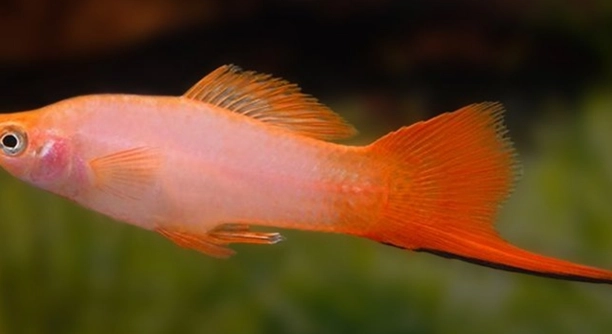
Do your swordtails often seem uneasy, hiding more than swimming or showing little interest in their surroundings despite your best care efforts?
Making swordtails feel at home requires stable water conditions, proper tank size, hiding spots, compatible tank mates, and a balanced diet. These elements support their natural behavior, reduce stress, and encourage healthy activity in a home aquarium.
Simple changes in their environment can lead to noticeable improvements in their mood, movement, and overall well-being.
Provide a Spacious Tank
Swordtails need room to swim freely, explore, and establish territories. A small tank can make them anxious, especially if shared with other active fish. A 20-gallon tank is the minimum for a small group, but larger setups are always better. Extra space reduces aggression and helps keep the water parameters more stable. Swordtails are active swimmers, so horizontal space matters more than height. Adding live plants and smooth decorations can make the tank feel more natural without crowding their swimming space. It’s also important to keep the tank covered—swordtails can jump if startled or overly stressed. Keeping the tank open and uncluttered encourages active swimming and gives them places to move in and out of without feeling boxed in. Swordtails thrive when they have the freedom to swim and explore without bumping into obstacles. A tank that’s too small often leads to stress and reduced activity.
A large, clean tank gives swordtails confidence and security. It supports their active nature and encourages healthy interactions.
If you notice your swordtails hiding or becoming more aggressive, the tank size may be the cause. Once upgraded, they usually settle quickly and start exploring more, showing brighter colors and healthier behavior in just a few days.
Keep the Water Conditions Stable
Swordtails don’t handle sudden changes in water parameters well. Fluctuating temperature, pH, or ammonia levels can stress them out and affect their immune system. They need consistency to stay active and relaxed.
Aim for a temperature between 72–82°F and a pH between 7.0 and 8.3. Use a reliable heater and thermometer to maintain temperature. Test the water weekly for ammonia, nitrite, nitrate, and pH. A sudden spike in ammonia or a drop in pH can make swordtails lethargic or cause fin issues. Water changes should be done regularly—about 25% every week—so waste doesn’t build up. If using tap water, treat it with a dechlorinator before adding it to the tank. Sudden changes from water top-offs can cause shock, so always match temperature and parameters as closely as possible. A clean filter helps too, but avoid over-cleaning it since beneficial bacteria live there. Stable water helps swordtails thrive, reduces illness, and keeps them looking and acting their best.
Add Hiding Spots and Plants
Swordtails feel safer when they have places to retreat. Hiding spots help reduce stress, especially if there’s any chasing or competition in the tank. Use plants, caves, or driftwood to create simple shelter areas.
Live or artificial plants give swordtails the comfort of natural cover. Tall plants at the back and sides of the tank work best, leaving open space in the center for swimming. Java fern, hornwort, or Amazon swords are good choices. These plants also help improve water quality by absorbing excess nutrients. Caves, rocks, or decorations with openings give fish a break from constant movement and social interaction. Avoid sharp edges to prevent injury. Even confident fish use these spaces to rest or stay calm during busy moments. A mix of open water and cover creates balance in the tank, encouraging natural behavior and reducing signs of nervousness or hiding.
Creating these safe zones doesn’t mean overcrowding. Keep everything spaced out so swordtails can move freely around the tank. Cluttered tanks can create the opposite effect—making the fish feel boxed in or confused. Just a few plants and one or two well-placed hiding spots are often enough. Once they know they have a place to retreat, swordtails act more relaxed overall.
Choose Compatible Tank Mates
Swordtails are generally peaceful, but not every fish makes a good tank mate. Some species nip fins or compete too much for food, which can lead to stress and injury. Stick to calm, community fish that won’t bully or harass your swordtails.
Good tank mates include mollies, platies, guppies, corydoras, and peaceful tetras. Avoid aggressive fish or species that grow much larger, like cichlids or barbs. Male swordtails can be territorial with each other, so if you’re keeping more than one, balance them with more females. A ratio of one male to two or three females usually keeps things calm. Watch how your fish interact—if you see constant chasing or signs of stress, you may need to rehome or rearrange the group. Choosing peaceful tank mates helps maintain a relaxed environment. It also supports natural social behavior without fear or tension, letting your swordtails thrive.
Feed a Balanced Diet
Swordtails do best with a mix of quality flakes, pellets, and occasional treats like bloodworms or brine shrimp. A varied diet helps support their immune system, keeps their colors vibrant, and boosts overall activity.
Avoid overfeeding. Offer small amounts once or twice a day, only what they can eat in two minutes.
Keep a Consistent Light Schedule
Swordtails need a regular light cycle to stay in rhythm. Aim for 10–12 hours of light each day using an aquarium light. Too much or too little light can affect their behavior and stress levels. A timer helps keep things on track with minimal effort.
Limit Loud Noises and Sudden Movements
Keep the tank in a calm area away from loud TVs, speakers, or frequent foot traffic. Sudden noises and quick shadows can startle swordtails, making them hide or act skittish. A peaceful setting keeps them more at ease.
FAQ
How many swordtails should I keep together?
Swordtails are social fish and do better in small groups. A trio is a good starting point—one male and two females. This setup helps reduce stress caused by excessive chasing. Keeping too many males in one tank can lead to constant competition, so it’s best to avoid that unless you have a larger tank with enough hiding spaces. If your tank is at least 29 gallons, you can comfortably keep two males and several females. Just make sure there’s room for everyone to swim and space to get away when needed.
Can swordtails live alone?
While a single swordtail can survive on its own, it may not thrive. Swordtails are active and enjoy the company of their own kind. A lone swordtail may become withdrawn or less active over time. If you must keep one alone, make sure the environment is enriching—plenty of plants, hiding spots, and interaction during feeding. However, they typically show better behavior and brighter colors when kept in a group. It’s not about needing a school, but they still benefit from the presence of others.
Do swordtails need a filter in their tank?
Yes, swordtails need a filter. Even with regular water changes, a filter helps remove waste, maintain oxygen levels, and keep the water clean. Without a filter, ammonia and other toxins can build up quickly and harm your fish. Choose a filter rated for your tank size, and avoid strong currents. Swordtails prefer gentle water movement. Also, be careful when cleaning the filter—don’t wash all the media at once. Beneficial bacteria live in it and help process waste. A filter plays a big role in keeping your fish healthy and the water safe.
How often should I clean the tank?
Partial water changes once a week are usually enough—about 25% of the water. Use a gravel vacuum to remove waste and leftover food from the bottom. Clean algae off glass if needed, and check your filter monthly. Avoid full cleanouts unless absolutely necessary, as it removes helpful bacteria. Clean decorations only if they’re covered in buildup, and never use soap. Keeping up with these small tasks helps prevent large issues. Regular maintenance keeps the water stable and the fish more active and stress-free.
Why is my swordtail hiding all the time?
Hiding can mean the fish is stressed. Check the water conditions first—ammonia or temperature issues can cause this. Also, look at the tank size and setup. A small or crowded tank can make swordtails feel unsafe. Aggressive tank mates might be bothering them, or there might not be enough hiding spots to retreat to. Sometimes, a new fish just needs time to adjust. If everything checks out and the fish is still hiding after a week or two, monitor closely for signs of illness or injury.
Do swordtails jump out of tanks?
Yes, swordtails are known to jump, especially when startled or if the tank conditions are off. A secure lid is important. Fish may jump if water parameters are poor, there’s too much noise, or if they’re chased by another fish. A calm environment and proper tank setup usually help reduce this behavior. Still, always use a lid or cover—open tanks are too risky. Even healthy swordtails may jump unexpectedly, especially during sudden light changes or loud sounds.
Can swordtails live with shrimp or snails?
Swordtails can live with shrimp and snails, but there are a few things to consider. Larger shrimp like Amano or adult cherry shrimp usually do fine, but small baby shrimp may get eaten. Snails like nerites or mystery snails are safe choices and won’t bother your fish. Just make sure everyone has enough space and food. Overcrowding can lead to problems with waste and aggression. If you’re keeping shrimp, add more plants or moss where they can hide. With the right setup, swordtails can live peacefully alongside shrimp and snails.
Final Thoughts
Creating a comfortable environment for swordtails is not difficult, but it does take some planning. These fish are active, social, and sensitive to changes in their surroundings. Giving them enough space, clean water, a stable temperature, and the right companions helps reduce stress. A tank that mimics their natural habitat makes them feel more secure. Plants, soft lighting, and calm water movement all contribute to their comfort. While swordtails can adjust to a range of conditions, they do better when their needs are consistently met.
Feeding them a balanced diet and keeping a regular light schedule also play a big part in how they behave and feel. A healthy swordtail will swim confidently, eat with interest, and interact with others in the tank. On the other hand, poor care can lead to illness, hiding, or aggression. Watching your fish daily helps you spot problems early. Simple habits like regular tank cleaning, checking water levels, and giving them a peaceful space go a long way. The better you understand their needs, the easier it is to give them a safe, stable home.
Keeping swordtails should be a positive experience for both you and your fish. When their needs are met, they show off bright colors, active swimming, and peaceful interactions with tank mates. They’re easy to enjoy and rewarding to care for. Whether you’re just starting or have kept fish before, paying attention to their comfort helps them live longer, healthier lives. Every small step you take—adjusting the filter, picking the right tank mates, or adding a few extra plants—makes their home more welcoming. Simple changes can make a big difference in how swordtails behave and thrive.

Hello,
If you enjoy the content that we create, please consider saying a "Thank You!" by leaving a tip.
Every little bit helps us continue crafting quality advice that supports the health, happiness, and well-being of pets around the world, for pets of all shapes, sizes, and species.
We really appreciate the kindness and support that you show us!